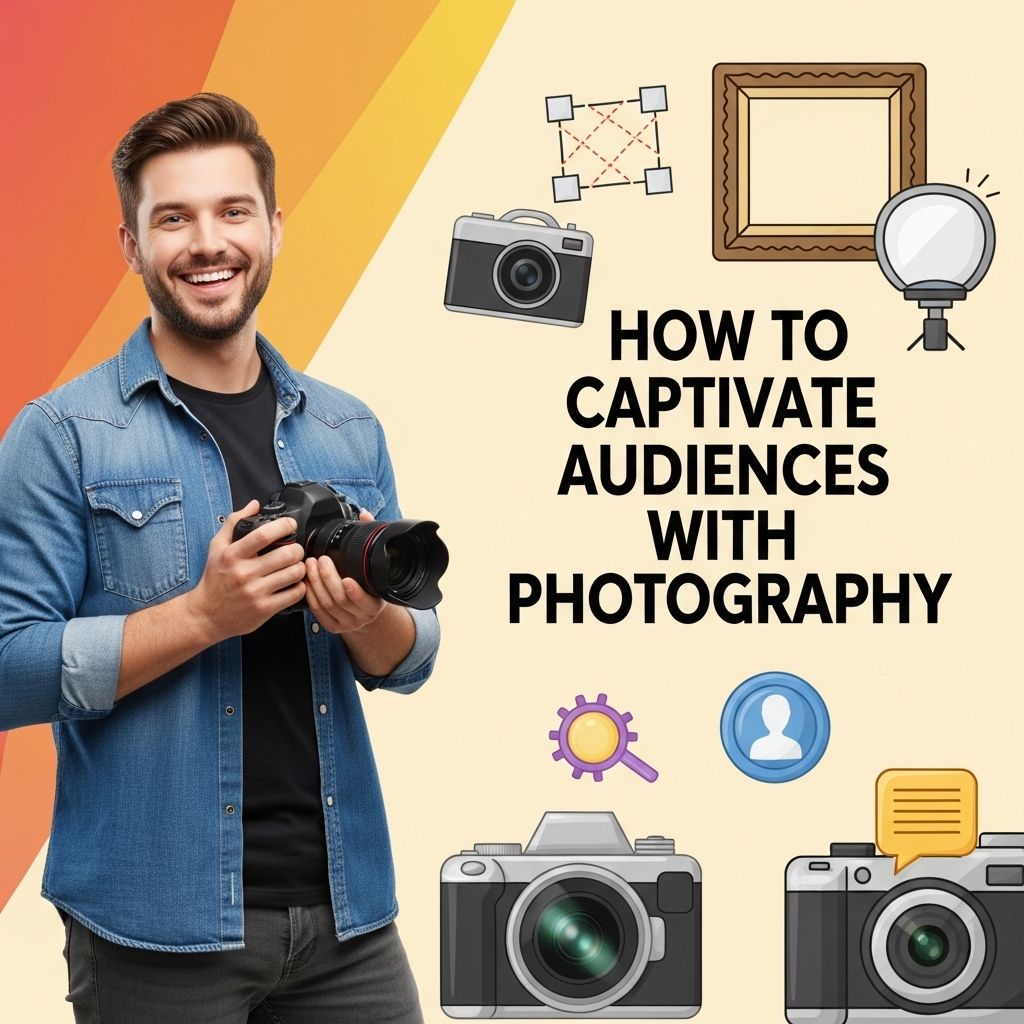
In the digital age, where attention spans are fleeting and competition for engagement is fierce, captivating an audience through photography has become an essential skill for storytellers, marketers, and artists alike. The right photograph can evoke emotion, convey a message, and create memorable experiences. This article delves into the art and science of captivating audiences with photography, offering practical tips and insights to enhance your visual storytelling.
Captivating your audience through photography involves more than just technical skill; it requires an understanding of storytelling and emotional resonance. By utilizing tools like bag mockup templates, photographers can present their work in a compelling context, enhancing the visual appeal and engaging viewers on a deeper level.
Table of Contents
The Importance of Visual Storytelling
Visual storytelling combines narrative and visual elements to communicate messages. In a world inundated with text and graphics, images serve as powerful tools for engagement. Here’s why visual storytelling matters:
- Emotional Connection: Photographs can evoke feelings faster than written words, establishing an emotional rapport with the audience.
- Improved Retention: People remember visuals better than text, making images a key component of effective communication.
- Immediate Understanding: A well-composed photo can convey complex ideas instantly.
Understanding Your Audience
Before capturing images, it’s crucial to understand your target audience. Knowing their preferences and interests will guide your photography style and subject matter. Here are some steps to consider:
1. Define Your Audience
Identify who you are trying to reach:
- Demographics (age, gender, location)
- Interests and passions
- Preferred platforms (Instagram, Facebook, etc.)
2. Research Trends
Stay updated with current photography trends that resonate with your audience. Popular styles include:
- Minimalism
- Documentary photography
- Portraiture
- Urban exploration
Crafting Compelling Images
To captivate your audience, focus on creating visually striking and meaningful images. Here are essential elements to consider:
Composition Techniques
Understanding composition is key to creating engaging photos. Some techniques include:
- Rule of Thirds: Divide your frame into a 3×3 grid and place your subject along these lines or at their intersections.
- Leading Lines: Use natural lines in the environment to lead the viewer’s eye towards the subject.
- Framing: Use elements in the scene to frame your subject, adding depth and context.
- Depth of Field: Play with focus to create a sense of depth, highlighting your subject while blurring the background.
Color and Light
Color psychology and lighting play pivotal roles in photography. Consider the following tips:
| Color | Emotion | Use |
|---|---|---|
| Red | Passion, energy | Fashion, food |
| Blue | Calm, trust | Corporate, nature |
| Yellow | Joy, optimism | Travel, lifestyle |
Additionally, lighting can dramatically change the mood of a photograph:
- Golden Hour: The hour after sunrise and before sunset offers soft, warm light.
- Natural Light: Utilize windows and outdoor settings for dynamic lighting.
- Artificial Light: Experiment with flash and continuous lights for unique effects.
Engaging with Your Audience
Captivating your audience doesn’t stop at taking the shot; engagement is key. Here’s how to foster interaction:
1. Share Behind-the-Scenes Content
Audiences love to see the process behind the final product. Sharing behind-the-scenes images or videos can create a connection:
- Show your setup and gear.
- Share challenges faced during shoots.
- Highlight the stories behind your photographs.
2. Use Social Media Wisely
Social media platforms are powerful tools for sharing your work and engaging with audiences:
- Instagram: Utilize Stories, Reels, and IGTV to showcase your photography journey.
- Facebook: Create a dedicated page for your work and interact with followers.
- Twitter: Share quick updates and engage in photography-related discussions.
3. Collaborate with Other Creatives
Collaborations can expand your audience reach and provide fresh perspectives. Consider:
- Partnering with writers for storytelling projects.
- Working with influencers in your niche.
- Engaging with other photographers for joint projects.
Conclusion
In conclusion, captivating an audience through photography requires a blend of technical skills, creativity, and an understanding of your audience. By focusing on visual storytelling, engaging composition, and strategic audience interaction, you can create compelling images that resonate and inspire. Start experimenting with these techniques today, and watch your photography take flight!
FAQ
What techniques can I use to captivate audiences with photography?
Utilize composition techniques like the rule of thirds, leading lines, and framing to create visually appealing images that draw viewers in.
How important is lighting in photography for audience engagement?
Lighting plays a crucial role in photography; natural light can enhance the mood, while artificial lighting can create dramatic effects to engage your audience more effectively.
What types of subjects are most captivating in photography?
Subjects that evoke emotion, tell a story, or showcase unique perspectives tend to captivate audiences, such as portraits, candid moments, or stunning landscapes.
How can I use color to attract viewers’ attention in my photographs?
Incorporate vibrant colors or contrasting tones to create visual interest, as colors can evoke emotions and influence how viewers perceive your work.
What role does post-processing play in captivating photography?
Post-processing allows photographers to enhance their images, correct flaws, and create a specific mood or style that can significantly captivate an audience.
How can storytelling enhance the impact of my photography?
By incorporating narrative elements into your photography, such as context and emotion, you can engage your audience on a deeper level, making your images more memorable.