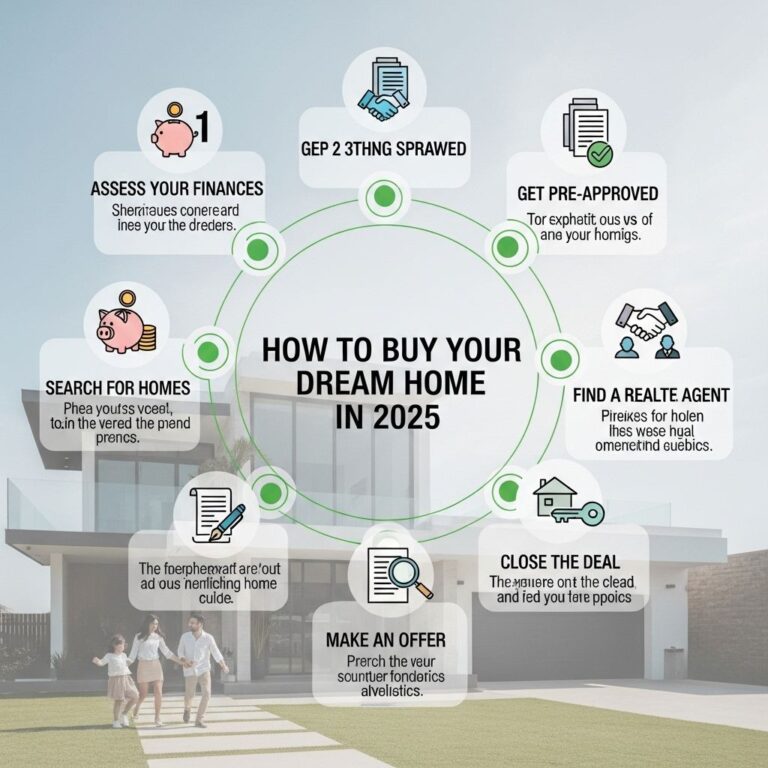
Purchasing your first home is a monumental milestone, often seen as a cornerstone of personal and financial stability. As the housing market evolves, especially as we move into 2025, aspiring homeowners must navigate complex landscapes of interest rates, market trends, and financial strategies. This article delves deep into the essential steps and considerations for first-time buyers seeking to make informed decisions in this dynamic environment.
Table of Contents
Understanding the Current Housing Market
Before diving into the process of buying a home, it is crucial to understand the prevailing conditions of the housing market. In 2025, several factors will influence home buying, including:
- Interest Rates: Watch for fluctuations in mortgage interest rates which can significantly impact monthly payments.
- Property Values: Keep an eye on trends indicating whether property values are rising or stabilizing.
- Inventory Levels: A low inventory can create a competitive market, driving up prices, while a surplus may provide more options and negotiation power.
Setting a Budget
Creating a realistic budget is one of the first critical steps in your home buying journey.
Calculating Total Costs
Homeownership extends beyond the purchase price. Consider the following costs:
| Cost Type | Estimated Percentage |
|---|---|
| Down Payment | 5% – 20% |
| Closing Costs | 2% – 5% |
| Monthly Mortgage Payment | Variable (based on loan type) |
| Property Taxes | 1% – 2% of property value annually |
| Homeowner’s Insurance | 0.5% – 1% of property value annually |
Assessing Your Financial Health
Before you meet with lenders, it’s beneficial to understand your finances:
- Check Your Credit Score: Aim for a score of 620 or higher for favorable mortgage rates.
- Evaluate Your Debt-to-Income Ratio: Ideally, your total debt (including the new mortgage) should not exceed 36% of your gross monthly income.
- Save for a Down Payment: Consider options like FHA loans for lower down payments, but be aware of the long-term financial implications.
Finding the Right Mortgage
Once you have set your budget and assessed your financial situation, the next step is securing a mortgage.
Types of Mortgages
In 2025, various mortgage options will be available:
- Fixed-Rate Mortgages: Ideal for long-term stability, these loans have a consistent interest rate throughout the loan’s term.
- Adjustable-Rate Mortgages (ARMs): These start with a lower rate that adjusts after a set period, which can be beneficial if you plan to move within a few years.
- Government-Backed Loans: FHA and VA loans can provide lower down payment options and simpler qualification processes.
Shopping for Lenders
Don’t settle for the first mortgage offer:
- Compare Different Lenders: Look at rates, fees, and customer service.
- Get Pre-Approved: This shows sellers you are a serious buyer and helps you understand how much you can borrow.
- Negotiate Terms: Once you have multiple offers, don’t hesitate to negotiate for better terms.
Searching for Your Home
With financing in place, you can effectively start house hunting. Here are some strategies to consider:
Define Your Needs
Make a list of your essential criteria:
- Location
- Size and layout
- Proximity to work, schools, and amenities
- Future resale potential
Use Technology Wisely
Take advantage of the latest technology:
- Online Listings: Utilize platforms like Zillow or Realtor.com for real-time listings.
- Virtual Tours: Save time by exploring homes through 3D tours before visiting in person.
- Apps: Use mobile apps to keep track of properties and share them with family or friends.
The Offer and Negotiation Process
Once you find a home that meets your criteria, the next step is to make an offer.
Making an Offer
Consider the following when crafting your offer:
- Market Analysis: Assess comparable sales in the area.
- Inclusions: Decide if you’re willing to include contingencies.
- Earnest Money: Be prepared to put down earnest money to show goodwill.
Negotiation Tips
Negotiations can be daunting, but here are some strategies:
- Be Respectful: Respect the seller’s position to foster a better negotiation environment.
- Be Flexible: Sometimes, adjusting the closing date can sway a seller.
- Know When to Walk Away: If negotiations aren’t fruitful, be prepared to look for other options.
Closing the Deal
Once your offer is accepted, the closing process begins. Expect the following steps:
- Home Inspection: Always have a professional inspection to avoid potential pitfalls.
- Appraisal: Lenders require an appraisal to ensure the home’s value justifies the loan amount.
- Final Walkthrough: Conduct a final check to ensure the property is in the agreed condition.
- Closing Day: Sign paperwork, pay closing costs, and take possession of your new home.
Post-Purchase Considerations
Congratulations on purchasing your first home! However, your responsibilities have only begun:
Budgeting for Homeownership
Factor in ongoing costs such as:
- Maintenance and Repairs
- Property Taxes
- Homeowner’s Insurance
- Utilities
Building Equity
As you make mortgage payments, you build equity, which can be leveraged for future investments or improvements.
Conclusion
Buying your first home in 2025 can be a rewarding adventure if approached with the right knowledge and preparation. By understanding the market, setting a realistic budget, and navigating the process diligently, you can turn your dream of homeownership into reality. Equip yourself with the necessary tools, stay informed, and make decisions that align with your long-term goals.
FAQ
What are the first steps to buying a home in 2025?
Start by assessing your financial situation, including savings for a down payment, understanding your credit score, and setting a budget.
How much money do I need for a down payment in 2025?
Typically, down payments range from 3% to 20% of the home’s purchase price, depending on the type of mortgage and lender requirements.
What types of mortgages are available for first-time homebuyers in 2025?
First-time homebuyers can explore options like FHA loans, VA loans, USDA loans, and conventional mortgages, each with different eligibility criteria.
How can I improve my credit score before buying a home?
You can improve your credit score by paying down existing debts, making timely payments, and avoiding new credit inquiries in the months leading up to your home purchase.
What are closing costs and how much should I expect to pay in 2025?
Closing costs typically range from 2% to 5% of the home’s purchase price and can include fees for appraisal, title insurance, and loan origination.
How can I find a reliable real estate agent in 2025?
Look for agents with good reviews, local market knowledge, and experience working with first-time homebuyers to ensure you receive the best guidance.