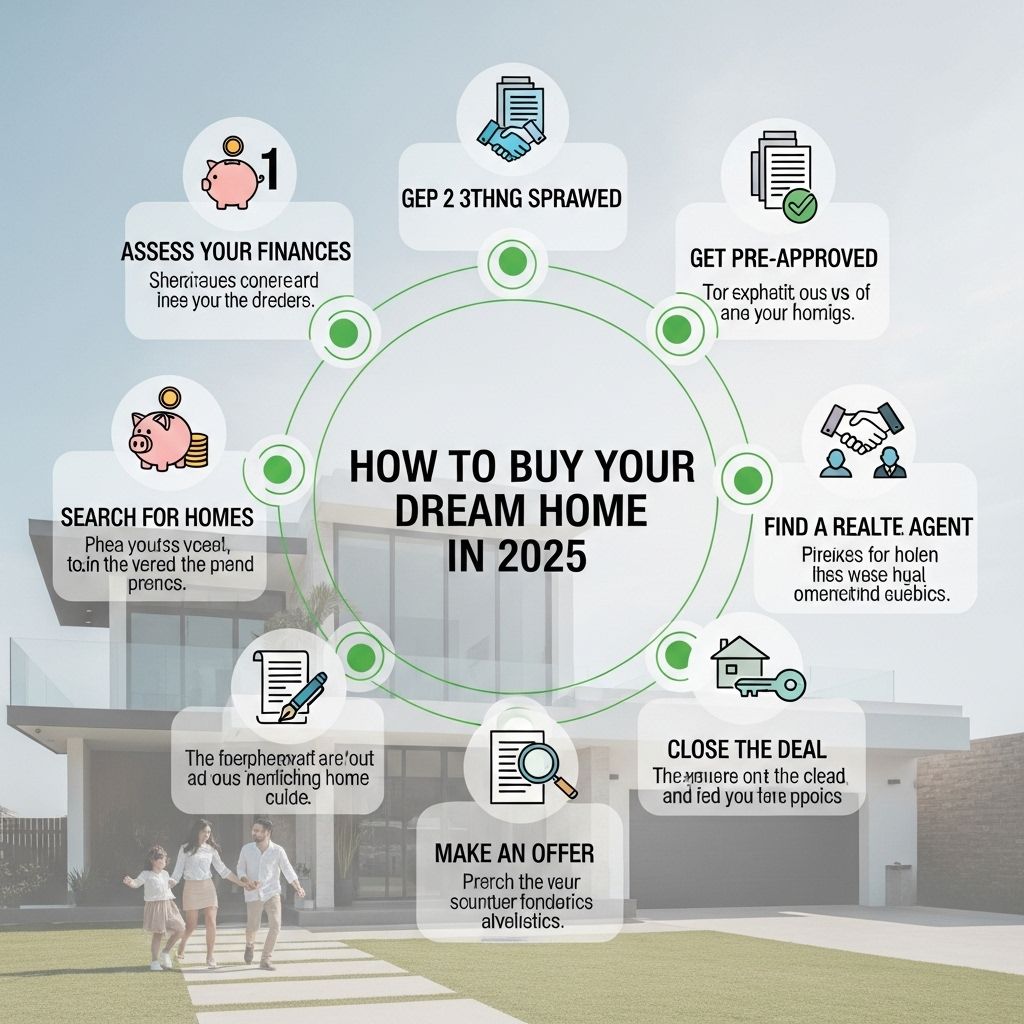
With the landscape of real estate constantly evolving, buying your dream home in 2025 will require a strategic approach that takes into account market trends, personal finances, and technological advancements. Whether you’re a first-time buyer or looking to upgrade, understanding the current housing climate is essential. In this article, we will explore key steps and considerations to help you navigate the home-buying process effectively.
Table of Contents
Understanding the Real Estate Market
Before embarking on your home-buying journey, it’s crucial to have a solid grasp of the real estate market. Here are some factors to consider:
Economic Indicators
The housing market is heavily influenced by various economic indicators. Keep an eye on:
- Interest Rates: Lower rates can mean lower monthly payments.
- Employment Rates: Higher employment often leads to increased demand for homes.
- Inflation: Inflation can affect purchasing power and home prices.
Market Trends
Understanding current market trends will guide your buying decisions. Research the following:
- Supply and Demand: A low inventory usually gives sellers the advantage, resulting in higher prices.
- Regional Trends: Some areas may be more desirable than others due to amenities, schools, or future developments.
- Technology in Real Estate: Virtual tours and AI-driven market analysis can help you find your dream home faster.
Financial Preparation
Preparing your finances is one of the most critical steps in the home-buying process. Here are some steps to take:
Assess Your Budget
Calculate how much you can afford:
- Evaluate your monthly income and expenses.
- Consider additional costs such as property taxes, insurance, and maintenance.
- Decide on a comfortable debt-to-income ratio, typically below 43%.
Get Pre-Approved for a Mortgage
Securing a mortgage pre-approval can give you an advantage in a competitive market:
- Shop around for the best rates.
- Gather necessary documents such as income statements, tax returns, and credit reports.
- Understand the different types of loans available (fixed-rate, adjustable-rate, FHA, VA, etc.).
Finding Your Ideal Home
Once your finances are in order, it’s time to start the home search. Here’s how to make the process efficient:
Create a Wish List
Determine what you want in your dream home:
- Location: Proximity to work, schools, and amenities.
- Size: Number of bedrooms and bathrooms.
- Features: Backyard, garage, or a modern kitchen.
Utilize Technology
In 2025, technology will play a significant role in home buying:
- Online Listings: Use websites and apps for the latest listings.
- Virtual Tours: Experience homes remotely to save time.
- Neighborhood Analysis Tools: Apps can help you evaluate neighborhoods based on various metrics.
Working with Professionals
Having the right team can make or break your home-buying experience:
Real Estate Agent
A skilled real estate agent can provide valuable insights and guidance:
- Look for agents with strong local knowledge.
- Check reviews and ask for referrals from friends or family.
- Ensure they understand your vision and budget.
Home Inspectors
Before finalizing a purchase, always have a professional inspection:
- Identify potential issues with the property.
- Negotiate repairs or price adjustments based on findings.
- Understand the home’s overall condition and maintenance needs.
Making an Offer
Once you find a home that meets your criteria, it’s time to make an offer:
- Analyze comparable sales to determine a fair price.
- Consider including contingencies such as financing and inspection.
- Be prepared for negotiations; flexible terms can help close the deal.
Closing the Deal
The closing process can be daunting. Here’s a breakdown:
What to Expect
During the closing:
- Review all documents carefully.
- Be prepared to pay closing costs, which can range from 2% to 5% of the loan amount.
- Complete final walkthroughs to ensure the property is in the agreed-upon condition.
Post-Purchase Considerations
After purchasing your home, keep these in mind:
- Change the locks and update security systems.
- Plan for ongoing maintenance and repairs.
- Consider future renovations to personalize your space.
Conclusion
Buying your dream home in 2025 requires thorough preparation, strategic planning, and leveraging modern technology. By understanding the market, ensuring your finances are in order, and seeking the right professional guidance, you can navigate the complexities of purchasing a home with confidence. Stay informed, remain adaptable, and soon enough, you will hold the keys to your dream property.
FAQ
What are the key steps to buying a home in 2025?
The key steps include assessing your financial situation, researching the housing market, getting pre-approved for a mortgage, finding a reliable real estate agent, and making an offer on your desired property.
How can I improve my credit score before buying a home?
To improve your credit score, pay down existing debts, make payments on time, avoid opening new credit accounts, and check your credit report for errors that you can dispute.
What should I consider when choosing a location for my dream home?
Consider factors such as local schools, amenities, commute times, neighborhood safety, and future development plans that may affect property value.
How much should I save for a down payment in 2025?
Typically, a down payment ranges from 3% to 20% of the home’s purchase price. Aim for at least 20% to avoid private mortgage insurance (PMI), but there are options available for lower down payments.
What are the current mortgage rates I should watch for in 2025?
Mortgage rates can fluctuate, so it’s important to monitor them regularly. As of 2023, rates are expected to stabilize, but check with lenders for the most current rates as you get closer to buying.
How can I find the right real estate agent for my home purchase?
Look for a local agent with a proven track record, positive reviews, and expertise in the area you are interested in. Personal referrals and online research can also help you find the right fit.