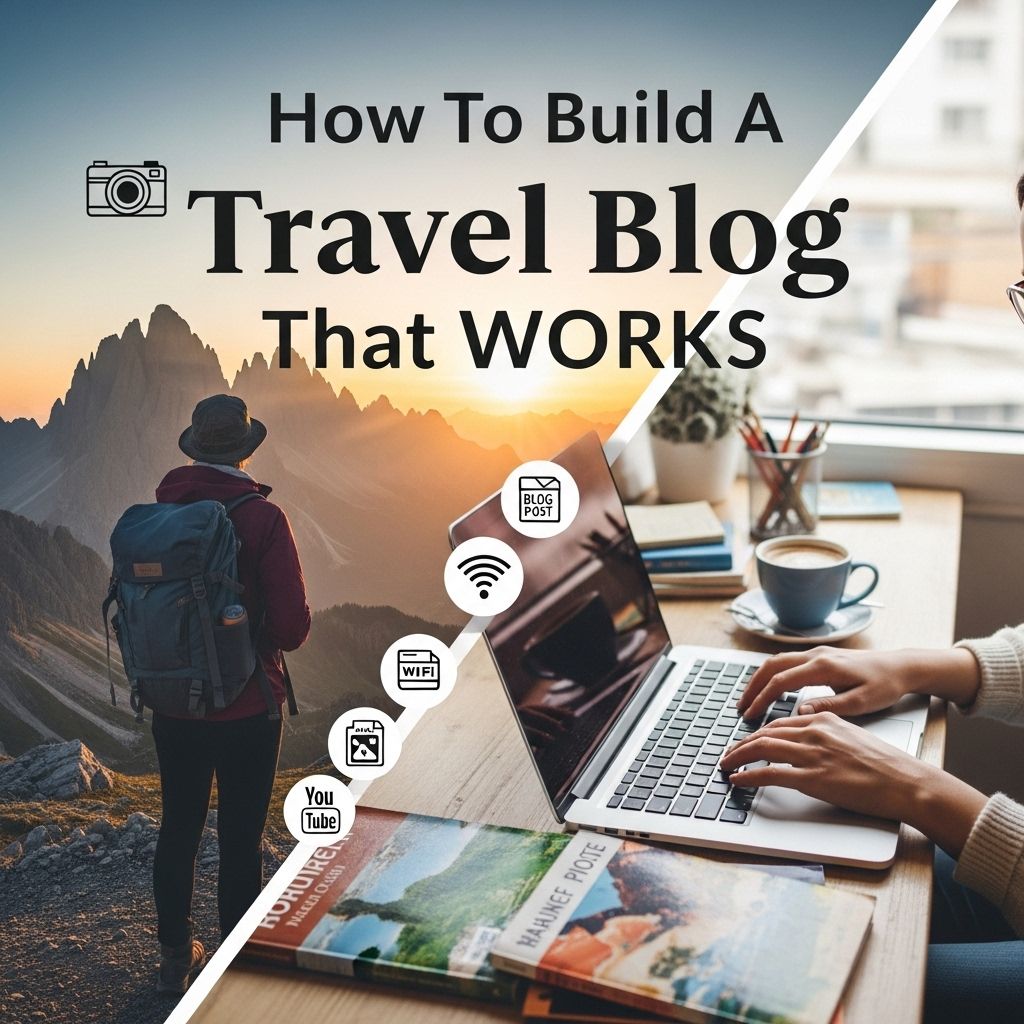
Establishing a travel blog can be one of the most exhilarating yet challenging endeavors for travel enthusiasts. With the right strategies and a clear understanding of your audience, you can transform your passion for travel into a successful blog. This article will guide you through the essential steps to create a travel blog that not only attracts visitors but also keeps them coming back for more.
Building a successful travel blog starts with a compelling story and a unique perspective that resonates with your audience. Consistent content creation, paired with quality visuals and storytelling, can help establish your brand. For those looking to enhance their blog design, utilizing resources like bag mockup templates can add a professional touch.
Table of Contents
Identifying Your Niche
The first step in creating a successful travel blog is to identify your niche. This will help you target a specific audience and differentiate your blog from the multitude of travel websites available. Consider the following niches:
- Adventure Travel
- Luxury Travel
- Budget Travel
- Traveling with Kids
- Solo Travel
- Cultural Experiences
Choosing a Blogging Platform
Once you’ve identified your niche, the next step is to choose a blogging platform. Here are some of the most popular options:
| Platform | Best For | Cost |
|---|---|---|
| WordPress.org | Full control and customization | Hosting costs vary |
| Blogger | Beginners looking for simplicity | Free |
| Wix | Drag-and-drop functionality | Free and paid options |
| Squarespace | Design-oriented users | Monthly subscription |
Setting Up Your Blog
After selecting a platform, it’s time to set up your blog. Here’s a basic checklist to guide you:
- Choose a Domain Name: Select a name that reflects your niche and is easy to remember.
- Select a Hosting Provider: Ensure they offer good uptime and customer support.
- Install Your Blogging Platform: Most hosting providers offer easy one-click installations.
- Customize Your Blog: Choose a theme that complements your content style.
Creating Engaging Content
Content is the heart of your travel blog. Here are some content types that resonate well with readers:
Travel Guides
Comprehensive guides that cover destinations, itineraries, and insider tips are highly sought after. Focus on:
- Local attractions
- Accommodation options
- Transportation tips
- Dining recommendations
Personal Stories
Your unique travel experiences are what will set your blog apart. Be honest and relatable, sharing both the highs and lows of traveling.
Photography
High-quality images are crucial for a travel blog. Invest in a good camera or learn the art of smartphone photography to capture moments that tell a story.
Search Engine Optimization (SEO)
To ensure your blog reaches a wider audience, optimized content for search engines is vital. Here are some key strategies:
- Keyword Research: Use tools like Google Keyword Planner to find relevant keywords.
- On-Page SEO: Optimize your titles, headers, and meta descriptions.
- Backlinks: Collaborate with other bloggers and websites to establish backlinks.
Promoting Your Blog
Creating great content is just one part of the equation; you also need to promote it. Here are effective strategies to consider:
Social Media Marketing
Utilize platforms like Instagram, Facebook, Pinterest, and Twitter to share snippets of your travels. Tips include:
- Creating visually appealing posts
- Engaging with your audience through stories
- Using relevant hashtags for greater reach
Email Marketing
Building an email list allows you to connect directly with your audience. Consider offering incentives such as:
- Free eBooks
- Exclusive content
- Weekly newsletters
Monetizing Your Blog
Once you’ve built a steady stream of traffic, you can consider monetizing your blog. Here are some common methods:
- Affiliate Marketing: Promote products or services and earn a commission on sales.
- Sponsorships: Partner with brands for sponsored posts.
- Ad Revenue: Use platforms like Google AdSense for display ads.
Building a Community
Engagement is key to building a loyal readership. Here’s how to foster community:
- Encourage comments on your posts
- Respond to reader inquiries promptly
- Host travel-related contests or challenges
Evaluating Your Progress
It’s essential to periodically evaluate the performance of your blog. Consider tracking:
- Website traffic using Google Analytics
- Engagement metrics such as comments and social shares
- Conversion rates for monetized efforts
Conclusion
Launching and maintaining a successful travel blog requires dedication, creativity, and strategic planning. By following the steps outlined in this article, you can build a blog that not only showcases your travels but also connects with a community of like-minded individuals. Remember, patience and persistence are crucial as you embark on this exciting journey.
FAQ
What are the first steps to start a travel blog?
Begin by choosing a niche, selecting a domain name, and setting up a hosting service. Consider your target audience and what unique experiences or insights you can share.
How can I create engaging content for my travel blog?
Focus on storytelling, use high-quality images, and provide useful tips. Incorporate personal experiences and highlight local cultures to engage your readers.
What platforms are best for hosting a travel blog?
Popular platforms include WordPress, Wix, and Squarespace. WordPress is highly recommended for its flexibility and SEO capabilities.
How do I promote my travel blog effectively?
Utilize social media, engage with other bloggers, and participate in travel forums. Consider guest posting and collaborating with brands to reach a wider audience.
How can I monetize my travel blog?
Explore options like affiliate marketing, sponsored posts, selling travel guides, and offering photography or consulting services. Build a loyal readership to attract potential sponsors.
What are some SEO tips for a travel blog?
Focus on keyword research, optimize your blog posts for search engines, use alt tags for images, and create quality backlinks. Regularly update content to improve visibility.