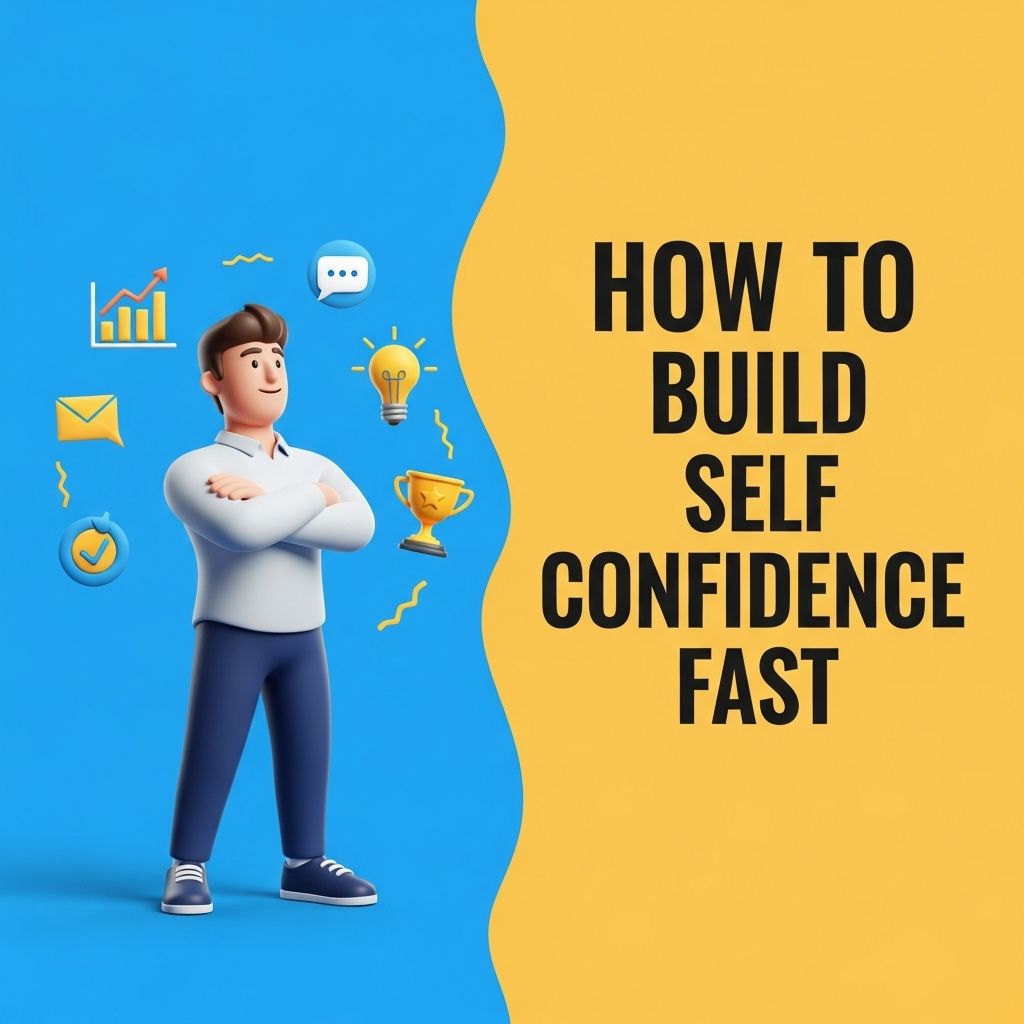
Building self-confidence is a journey that many embark on, yet few know how to navigate effectively. In today’s fast-paced world, self-confidence can be your greatest asset, impacting your personal relationships, career growth, and overall happiness. Understanding the mechanisms of self-confidence and employing practical strategies can facilitate rapid development of this essential trait. In this article, we’ll explore proven techniques and practical tips for boosting self-confidence quickly and sustainably.
Boosting your self-confidence can be a transformative journey that often starts with small, actionable steps. One effective way to enhance your personal brand and elevate your self-esteem is by using bag mockups for branding. These tools allow you to visualize your ideas and reinforce your personal image, making a significant impact in just days.
Table of Contents
The Psychology of Self-Confidence
Before diving into specific techniques, it’s crucial to understand what self-confidence truly is. Self-confidence is the belief in your abilities, skills, and judgment. It encompasses both self-esteem and self-efficacy:
- Self-esteem: Your overall sense of self-worth or personal value.
- Self-efficacy: Your belief in your ability to succeed in specific situations.
Research shows that self-confidence is not a fixed trait; it can be cultivated over time. Here are several key strategies to build your self-confidence rapidly.
1. Set Achievable Goals
Setting tangible and realistic goals is a powerful strategy for building self-confidence. When you establish a clear path towards achieving your aspirations, you build a sense of direction and accomplishment.
SMART Goal Setting
To create effective goals, consider using the SMART framework:
- S: Specific – Goals should be clear and specific.
- M: Measurable – You should be able to measure your progress.
- A: Achievable – Your goals should be realistic.
- R: Relevant – Ensure that goals align with your values.
- T: Time-bound – Set deadlines for your goals.
By achieving these small goals, you will be able to foster a sense of accomplishment, reinforcing your self-worth.
2. Challenge Negative Thoughts
Many individuals struggle with negative self-talk, which can severely undermine self-confidence. To overcome this hurdle, consider employing cognitive restructuring techniques.
Techniques to Challenge Negative Thoughts
- Identify Negative Thoughts: Recognize when you are engaging in negative self-talk.
- Question Their Validity: Challenge the accuracy of these thoughts.
- Replace with Positive Affirmations: Substitute negative thoughts with constructive affirmations.
For instance, instead of thinking “I will fail at this task,” reframe it to “I will do my best and learn from the experience regardless of the outcome.”
3. Practice Self-Compassion
Many people are their own worst critics. Practicing self-compassion allows you to treat yourself with the same kindness and understanding you would offer a friend.
Steps to Cultivate Self-Compassion
- Recognize Your Humanity: Understand that everyone makes mistakes and faces failure.
- Practice Mindfulness: Stay present and acknowledge your emotions without judgment.
- Be Kind to Yourself: Speak to yourself in a gentle and supportive manner.
Engaging in self-compassion can significantly reduce anxiety and boost self-confidence.
4. Embrace Failure
Fear of failure can be paralyzing. However, recognizing failure as a part of the learning process can be liberating. By embracing failure, you allow yourself to step outside your comfort zone and grow.
Ways to Embrace Failure
- Reframe Your Perspective: View failure as an opportunity to learn rather than a setback.
- Analyze What Went Wrong: Understanding your failures can provide critical insights for future success.
- Share Your Experiences: Talking about your failures can help normalize them and reduce their stigma.
By normalizing failure, you’ll become more willing to take risks, which can enhance your confidence in various aspects of your life.
5. Build a Support Network
Surrounding yourself with positive influences can significantly impact your self-confidence. A support network provides encouragement, constructive feedback, and accountability.
How to Build Your Support Network
- Identify Supportive Individuals: Seek out friends, family members, or mentors who uplift you.
- Engage in Positive Relationships: Foster relationships that promote mutual respect and growth.
- Join Groups or Communities: Participate in clubs or organizations that align with your interests.
A strong support network empowers you to pursue your goals fearlessly.
6. Invest in Personal Development
Continuous learning and self-improvement can enhance your self-confidence dramatically. By acquiring new skills and knowledge, you increase your competence, which in turn boosts your confidence.
Ways to Invest in Yourself
- Enroll in Courses: Take online classes or workshops that interest you.
- Read Books: Explore self-help and personal development literature.
- Attend Seminars: Participate in events to learn from experts and network.
Investing in your personal development is an ongoing process that pays dividends in self-confidence.
7. Celebrate Your Achievements
Recognizing your accomplishments, no matter how small, is crucial for building self-confidence. Celebrating achievements reinforces the positive behaviors that led to those successes.
How to Celebrate Achievements
- Keep a Journal: Record your achievements and reflect on them regularly.
- Reward Yourself: Treat yourself to something special when you reach a goal.
- Share Successes: Talk about your successes with your support network.
Celebrating your achievements fosters a positive mindset and encourages continued growth.
Conclusion
Building self-confidence is a multifaceted process that requires intentionality and practice. By setting achievable goals, challenging negative thoughts, practicing self-compassion, embracing failure, building a support network, investing in personal development, and celebrating your achievements, you can rapidly enhance your self-confidence. Remember, self-confidence is not just a trait; it’s a skill that can be developed over time. Start your journey today and unlock the potential that lies within you.
FAQ
What are some quick tips to build self-confidence?
To build self-confidence quickly, practice positive self-talk, set achievable goals, and engage in activities that make you feel accomplished.
Can visualization techniques help improve self-confidence?
Yes, visualization techniques can help improve self-confidence by allowing you to mentally prepare for situations and visualize success.
How does body language affect self-confidence?
Body language plays a crucial role in self-confidence; maintaining an open posture and making eye contact can help you feel and appear more confident.
Are there specific exercises to boost self-confidence?
Yes, exercises such as journaling about your strengths, practicing affirmations, and stepping out of your comfort zone can effectively boost self-confidence.
How important is setting goals for building self-confidence?
Setting goals is essential for building self-confidence as it provides a clear path to success and allows you to celebrate small victories along the way.
Can surrounding myself with positive people help my self-confidence?
Absolutely! Surrounding yourself with positive, supportive people can greatly enhance your self-confidence and motivate you to achieve your goals.