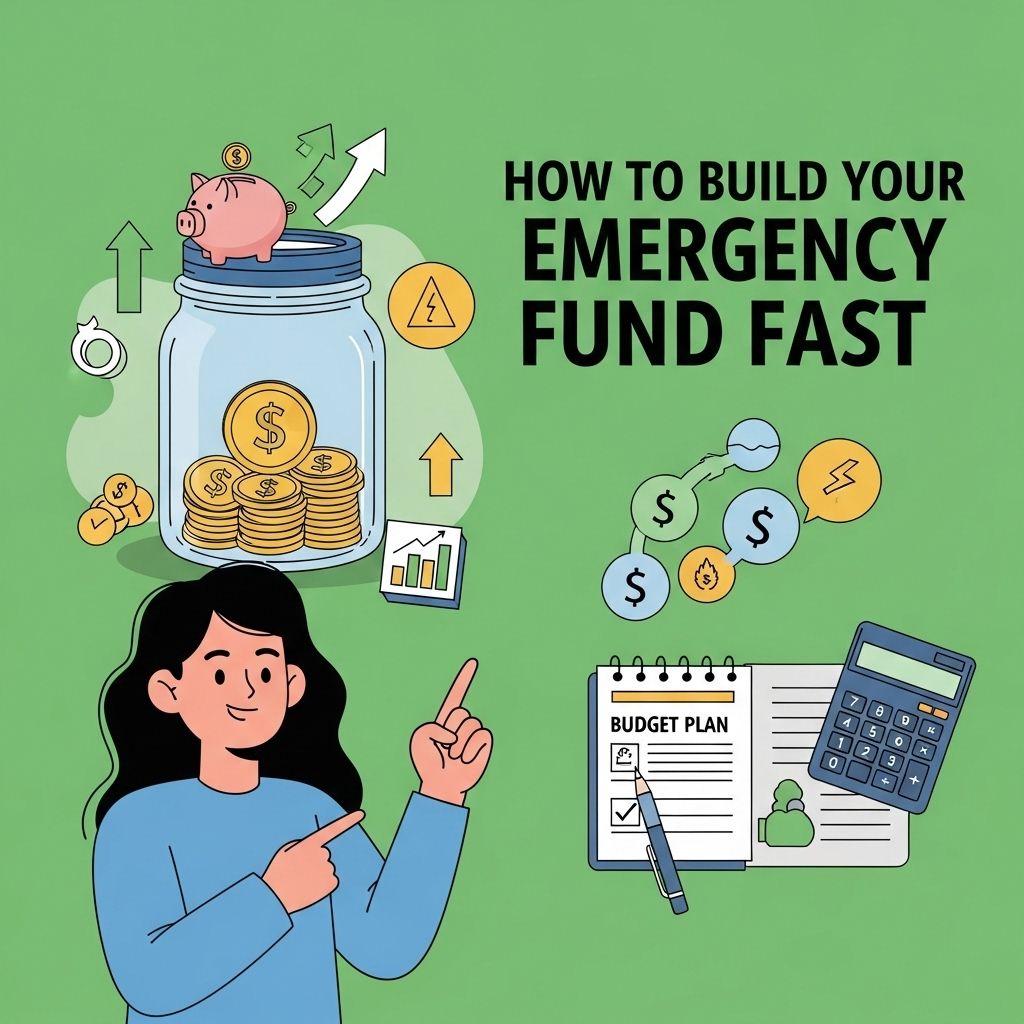
In an unpredictable world, having a solid emergency fund is crucial for financial security. Whether it’s unexpected medical expenses, car repairs, or job loss, an emergency fund acts as a safety net that can help you navigate through tough times without falling into debt. Building this fund quickly requires a strategic approach, disciplined saving, and perhaps a few sacrifices. In this article, we will explore effective methods to speed up the process of establishing your emergency fund.
Building a robust emergency fund is essential for financial stability, yet many people struggle to save consistently. This guide presents proven strategies to fast track your emergency savings, ensuring you’re prepared for unexpected expenses. Explore helpful resources like realistic bag mockup examples to creatively visualize your savings goals.
Table of Contents
Understanding the Importance of an Emergency Fund
An emergency fund is more than just a savings account; it is a financial buffer that gives you peace of mind. Here are some key reasons why having an emergency fund is essential:
- Financial Security: It protects you from unexpected expenses.
- Job Loss Safety Net: It covers your expenses while you search for a new job.
- Reduced Stress: Knowing you can handle financial surprises reduces anxiety.
- Avoiding Debt: It helps you to avoid high-interest loans or credit card debt.
Setting Your Emergency Fund Goal
Before you start saving, it’s essential to determine how much money you need in your emergency fund. Financial experts generally recommend saving:
- Three to six months’ worth of living expenses for a minimal fund.
- Six to twelve months’ worth for greater security, especially if you are self-employed or work in a volatile industry.
Calculate Your Monthly Expenses
Start by calculating your monthly expenses to set a target for your emergency fund. Include:
Fixed Expenses: Rent, mortgage, utilities, insurance, loan payments, etc.Variable Expenses: Groceries, transportation, entertainment, etc.
Once you have a good estimate, multiply your total monthly expenses by the number of months you choose to cover.
Strategies to Build Your Fund Quickly
Now that you have a clear goal, here are some strategies to help you build your emergency fund faster.
1. Create a Dedicated Savings Account
Consider setting up a high-yield savings account specifically for your emergency fund. This keeps your savings separate from your daily spending and allows you to earn interest. Look for accounts with:
- No fees
- Easy access to funds
- Competitive interest rates
2. Automate Your Savings
Set up automatic transfers from your checking account to your emergency fund. Determine a percentage of your paycheck or a fixed amount to transfer regularly. Automating savings ensures:
- You save consistently
- You won’t spend the money before saving
3. Reduce Discretionary Spending
Review your monthly expenses and identify areas where you can cut back. Consider the following:
- Dining out
- Subscription services
- Shopping for non-essentials
Quick Savings Challenges
Participate in savings challenges to boost your fund:
- 52-Week Challenge: Save $1 the first week, $2 the second week, and so on until you save $1,378.
- Round-Up Savings: Use an app that rounds up your purchases and saves the difference.
4. Increase Your Income
If cutting expenses isn’t enough, consider finding ways to increase your income:
- Take on a part-time job or freelance work.
- Sell unused items online.
- Participate in gig economy jobs like ride-sharing or delivery services.
5. Set Short-Term Goals
Break your ultimate savings goal into smaller, achievable milestones. Setting short-term goals makes the larger goal less daunting and allows you to celebrate small victories along the way.
Tracking Your Progress
As you save, it’s essential to track your progress to stay motivated. Use budgeting apps or simple spreadsheets to monitor your savings and expenses. Here’s a basic tracking table:
| Month | Savings Goal | Amount Saved | Total Fund |
|---|---|---|---|
| January | $500 | $500 | $500 |
| February | $500 | $600 | $1,100 |
| March | $500 | $700 | $1,800 |
Maintaining Your Emergency Fund
Once you have built your emergency fund, it’s essential to maintain it. Here are tips for keeping your fund intact:
- Regularly reassess your expenses and adjust your fund as needed.
- Avoid using the fund for non-emergencies.
- Replenish your fund if you need to use it.
Conclusion
Building an emergency fund doesn’t have to be a daunting task. With determination, smart budgeting, and strategic planning, you can establish a financial safety net that provides peace of mind in uncertain times. Start today by setting clear goals, minimizing expenses, and perhaps increasing your income. Your future self will thank you!
FAQ
What is an emergency fund and why is it important?
An emergency fund is a savings account specifically set aside for unexpected expenses, such as medical emergencies, car repairs, or job loss. It is important because it provides financial security and peace of mind.
How much money should I have in my emergency fund?
Financial experts generally recommend having three to six months’ worth of living expenses saved in your emergency fund to cover unexpected financial challenges.
What are the best strategies to build an emergency fund quickly?
To build an emergency fund quickly, consider setting a specific savings goal, automating your savings, cutting unnecessary expenses, and taking on extra work or side gigs to boost your savings.
Where should I keep my emergency fund?
Your emergency fund should be kept in a separate, easily accessible savings account, such as a high-yield savings account, to ensure your money is safe and can be accessed quickly in case of emergencies.
Can I use my emergency fund for non-emergencies?
It’s best to reserve your emergency fund for true emergencies only, as using it for non-emergencies can leave you unprepared for unexpected financial challenges.
How can I track my progress in building my emergency fund?
You can track your progress by setting milestones, using budgeting apps, or maintaining a simple spreadsheet that shows your savings growth and remaining balance towards your goal.