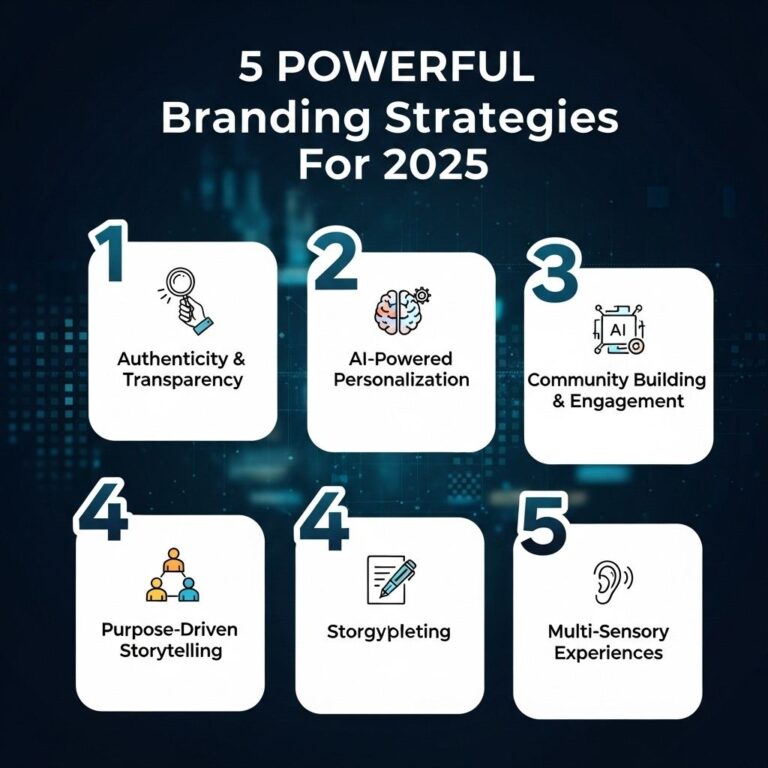
In a world where businesses are vying for consumer attention, the importance of a strong brand identity cannot be overstated. A well-defined brand identity not only helps a business stand out from competitors but also builds trust and loyalty among customers. This article delves into the essential components of building a compelling brand identity, offering practical strategies and insightful tips to create a memorable presence in the market.
Building a strong brand identity is crucial for standing out in a competitive market. Essential steps include defining your brand’s mission, values, and target audience, as well as creating visual elements such as a logo, which can be designed using vector logo templates. These foundational aspects collectively reinforce your brand’s presence and make a lasting impression.
Table of Contents
Understanding Brand Identity
Brand identity encompasses the visual elements, messaging, and values that distinguish a business from its competitors. It includes everything from your logo and color scheme to your tone of voice and customer interaction.
Key Components of Brand Identity
- Logo: The visual symbol that represents your brand.
- Color Palette: A selection of colors that evoke emotions associated with your brand.
- Typography: The style of text that conveys your brand’s personality.
- Voice and Tone: The way your brand communicates with its audience.
- Brand Values: The principles and beliefs that guide your business decisions.
Defining Your Brand’s Purpose
Before you can create a brand identity, it’s essential to define the purpose of your brand. Understanding why your business exists is the foundation of your brand identity. This involves answering several key questions:
Key Questions to Consider
- What problems does your product or service solve?
- Who is your target audience?
- What are your brand’s core values?
- What makes you different from competitors?
- What long-term impact do you hope to achieve?
Researching Your Competitors
Once you have a clear understanding of your brand’s purpose, it’s time to examine your competitors. Conducting a competitive analysis allows you to identify strengths and weaknesses in their branding strategies. Here’s how:
Steps for Conducting a Competitive Analysis
- Identify your key competitors.
- Analyze their brand identity elements (logo, colors, messaging).
- Evaluate their online presence (website, social media, email marketing).
- Assess customer feedback and reviews.
- Identify gaps or opportunities in the market.
Creating Visual Elements
Visual elements are often the first impression consumers have of your brand. Therefore, investing in quality design is crucial. Here are essential visual elements to focus on:
Logo Design
Your logo is the face of your brand. It should be simple, memorable, and reflective of your brand’s personality. Consider the following tips:
- Keep it simple for easy recognition.
- Ensure versatility across different platforms.
- Choose colors that align with your brand values.
Color Psychology
Colors evoke emotions and can greatly influence consumer perception. Here’s a brief overview of color psychology:
| Color | Emotion | Usage |
|---|---|---|
| Red | Passion, Energy | Food, Entertainment |
| Blue | Trust, Calm | Finance, Technology |
| Green | Growth, Nature | Health, Environment |
| Yellow | Optimism, Clarity | Retail, Food |
Crafting Your Brand’s Voice
Your brand’s voice is how you communicate with your audience. It should be consistent across all channels, reflecting your brand’s personality. Here’s how to develop it:
Developing Your Voice
- Define your target audience and understand their language.
- Choose a tone that fits your brand (formal, casual, playful).
- Be consistent in your messaging across all platforms.
Implementing Your Brand Identity
Once you’ve developed your brand identity, it’s time to implement it across all platforms. Consistency is key. Here are areas to consider:
Digital Presence
- Website: Your website should reflect your brand’s identity clearly.
- Social Media: Use consistent imagery and tone across your profiles.
- Email Marketing: Maintain your brand voice and visual elements in your communications.
Physical Presence
If you have a physical location, ensure that your branding is visible and consistent. This includes:
- Storefront design
- Business cards
- Packaging
Measuring Brand Success
After implementing your brand identity, it’s crucial to measure its effectiveness. This can be achieved through:
Key Performance Indicators (KPIs)
- Brand awareness: Surveys and social media engagement.
- Customer loyalty: Repeat purchase rates and customer feedback.
- Brand perception: Online reviews and sentiment analysis.
Adapting and Evolving Your Brand
The market is constantly changing, and so should your brand. Regularly review and update your brand strategy to stay relevant. Consider the following:
- Stay informed about industry trends.
- Gather customer feedback regularly.
- Be open to rebranding if necessary.
In conclusion, building a brand identity is an ongoing process that requires strategic planning and execution. By understanding your brand’s purpose, researching competitors, creating compelling visual elements, and measuring success, you can create a brand identity that resonates with your audience and stands the test of time.
FAQ
What is brand identity and why is it important?
Brand identity encompasses the visual elements, messaging, and overall perception of your brand. It is crucial because it differentiates you from competitors and helps build trust with your audience.
How do I define my target audience for brand identity?
To define your target audience, conduct market research to understand demographics, preferences, and behaviors. This will help tailor your brand identity to resonate with the right people.
What elements are essential to building a strong brand identity?
Key elements include your logo, color palette, typography, imagery, voice, and messaging. All these components should work together to create a cohesive brand experience.
How can I ensure consistency in my brand identity across platforms?
Develop brand guidelines that outline the use of your logo, colors, fonts, and tone. Regularly review your marketing materials to ensure adherence to these guidelines.
What role does storytelling play in brand identity?
Storytelling enhances brand identity by creating emotional connections with your audience. It helps convey your brand values and mission in a relatable way.
How often should I update my brand identity?
While your core brand identity should remain consistent, it’s important to periodically reassess and refresh your brand elements to stay relevant and aligned with market trends.