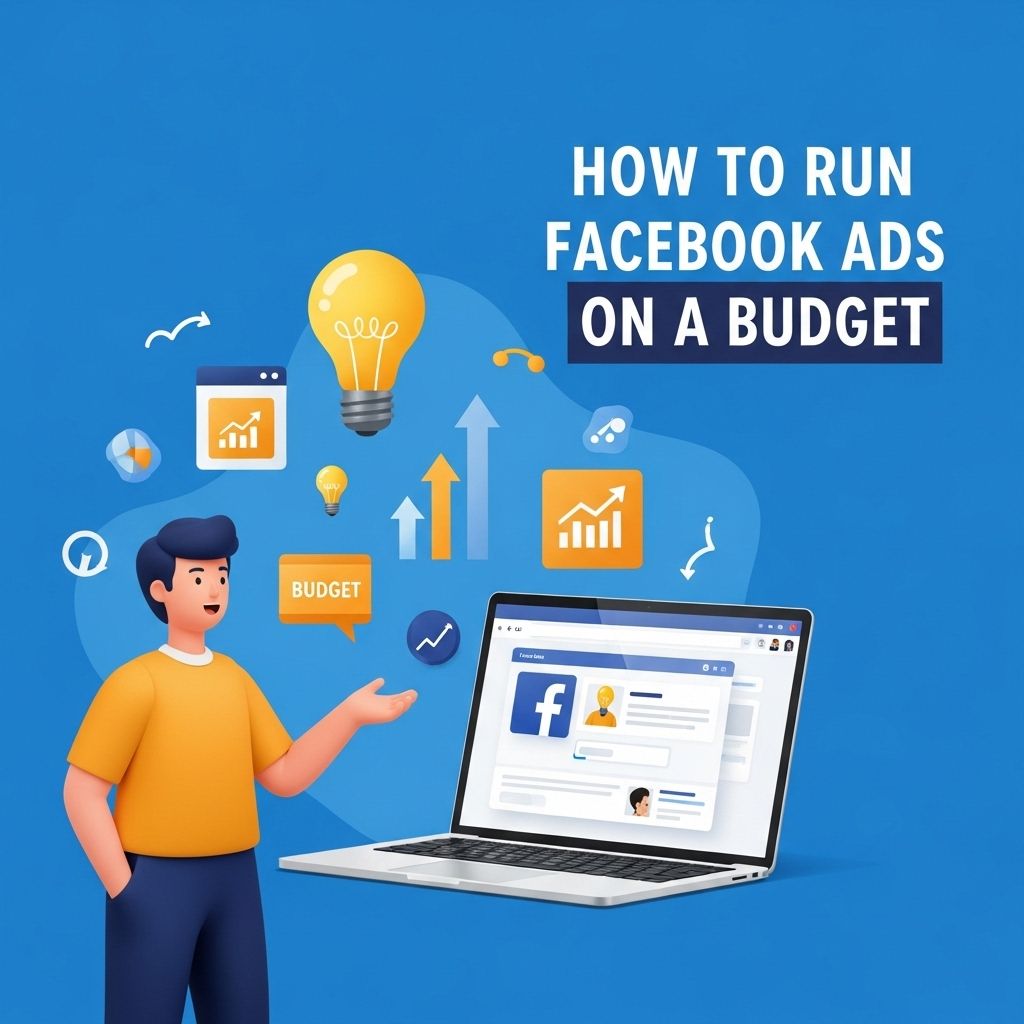
In the ever-evolving landscape of digital marketing, Facebook ads have emerged as a powerful tool for businesses of all sizes. However, the challenge lies in maximizing results while keeping expenditures in check. This article dives into effective strategies and techniques that allow marketers to run successful Facebook ad campaigns without breaking the bank. By thoughtfully leveraging targeting options, ad formats, and performance tracking, businesses can achieve substantial ROI. Let’s explore how to navigate the complexities of Facebook advertising on a budget.
Table of Contents
Understanding Facebook Ads
Facebook ads offer unparalleled reach, allowing advertisers to tap into a vast audience beyond their immediate customers. As of 2023, Facebook boasts over 2.9 billion monthly active users, making it a prime platform for targeted advertising. Here’s a brief overview of key components:
- Ad Format: Includes photo, video, carousel, slideshow, and collection ads.
- Target Audience: Demographic, interests, behaviors, and lookalike audiences.
- Bidding Strategies: Options range from cost per click (CPC) to cost per impression (CPM).
Setting a Budget for Facebook Ads
Establishing a budget is the first step toward effective ad management. Here are some tips on setting a budget that aligns with your marketing goals:
Determine Your Advertising Goals
Before allocating your budget, clarify what you want to achieve:
- Brand awareness
- Lead generation
- Sales conversion
- Engagement and community building
Choose Between Daily and Lifetime Budgets
Facebook provides two primary budget options:
| Budget Type | Description | Best For |
|---|---|---|
| Daily Budget | The average amount you are willing to spend each day. | Consistent campaigns that require daily monitoring. |
| Lifetime Budget | The maximum amount you are willing to spend over the entire campaign duration. | Campaigns with a set time frame. |
Targeting Your Audience Effectively
One of the critical advantages of Facebook advertising is its robust targeting capabilities. Here’s how to utilize them effectively:
Use Custom Audiences
Custom audiences allow you to reach people who already have a relationship with your business:
- Upload your customer list for retargeting.
- Engage website visitors with pixel tracking.
- Reconnect with app users.
Leverage Lookalike Audiences
Once you have a custom audience, you can create lookalike audiences to reach new potential customers:
- Select a source audience (e.g., existing customers).
- Specify the audience size (1-10% similarity).
- Launch campaigns targeting the lookalikes.
Designing Compelling Ads
The visual appeal and messaging of your ads can significantly influence user engagement and conversion rates. Consider the following:
Ad Creatives
Invest time in creating eye-catching ad creatives:
- Use high-quality images or videos that resonate with your brand.
- Keep the text concise and direct.
- Include a strong call-to-action (CTA).
Test Different Variations
Conduct A/B testing to determine which variations perform best:
- Vary headlines, images, and CTAs.
- Monitor performance metrics to gauge effectiveness.
- Optimize based on results.
Monitoring and Adjusting Your Campaigns
Regular monitoring of your campaigns ensures you are on track to meet your goals. Utilize the following metrics:
Key Performance Indicators (KPIs)
Focus on these KPIs to measure success:
- Click-Through Rate (CTR)
- Conversion Rate
- Cost Per Acquisition (CPA)
- Return on Ad Spend (ROAS)
Adjusting Budgets and Bids
Based on performance data, be prepared to make necessary adjustments:
- Increase budgets for high-performing ads.
- Lower bids on underperforming campaigns.
- Reallocate resources to better-targeted audiences.
Utilizing Facebook Ad Tools
Facebook offers a suite of tools to help optimize ad performance:
Facebook Ads Manager
This robust platform allows you to manage and analyze your campaigns effectively:
- Create new ads easily.
- Analyze performance data in real-time.
- Manage multiple campaigns from one dashboard.
Facebook Pixel
The Facebook Pixel is a powerful tool for tracking conversions and optimizing ad delivery:
- Track user interactions on your website.
- Build retargeting audiences based on visitor behavior.
- Gain insights into conversion paths.
Conclusion
Running Facebook ads on a budget is not only possible but can also be highly effective with the right strategies. By understanding the platform’s features, targeting capabilities, and continuous monitoring, businesses can stretch their advertising dollars further. Remember, the key lies in balancing creativity with data-driven decision-making. With a solid plan and the right tools at your disposal, your Facebook ad campaigns will thrive, bringing you closer to your marketing goals.
FAQ
How can I set a budget for my Facebook ads?
To set a budget for your Facebook ads, go to your Ads Manager, choose your campaign, and select ‘Budget & Schedule.’ You can set a daily or lifetime budget according to your financial limits.
What strategies can I use to maximize my Facebook ad budget?
To maximize your Facebook ad budget, focus on targeting a specific audience, use A/B testing to identify the most effective ads, and optimize your ad placements for better performance.
How can I track the performance of my Facebook ads on a budget?
You can track the performance of your Facebook ads by using the Ads Manager dashboard, where you can analyze metrics such as reach, engagement, and conversion rates to understand your ad effectiveness.
What is the minimum amount I can spend on Facebook ads?
The minimum daily budget for Facebook ads is typically around $1 per day, but it can vary based on the ad objective and bidding strategy you choose.
Are there any tools to help manage Facebook ads on a budget?
Yes, tools like Facebook Ads Manager, AdEspresso, and Hootsuite can help you manage, create, and optimize your Facebook ads efficiently while staying within your budget.
What types of Facebook ads are most cost-effective?
Cost-effective Facebook ads often include image ads, carousel ads, and video ads, as they can engage users effectively without requiring a large budget.