In today’s digital landscape, achieving high traffic to your website is essential for success. Search Engine Optimization (SEO) has emerged as a crucial strategy for increasing visibility and driving organic traffic. With an array of SEO tools available, businesses and individuals can effectively enhance their online presence. This article delves into the various tactics and tools that can help boost web traffic through smart SEO implementations.
Table of Contents
Understanding SEO and Its Importance
Search Engine Optimization is the practice of optimizing web pages to rank higher in search engines like Google, Bing, and Yahoo. The primary aim is to attract more visitors to your website through organic search results. Key benefits of effective SEO include:
- Increased Visibility: Higher rankings lead to more exposure.
- Cost-Effectiveness: Compared to paid advertising, organic traffic is more sustainable.
- Trust and Credibility: Users tend to trust search engines, so appearing on the first page enhances credibility.
Key SEO Tools to Consider
Utilizing the right tools can empower your SEO efforts. Here’s a breakdown of essential SEO tools that can help you boost traffic:
1. Keyword Research Tools
Finding the right keywords is fundamental to SEO success. Keywords are the terms users type into search engines. Here are popular tools:
| Tool | Description |
|---|---|
| Google Keyword Planner | A free tool that helps you find keywords and see how a list of keywords might perform. |
| SEMrush | An all-in-one tool suite for improving online visibility and discovering marketing insights. |
| Ahrefs | Famous for its backlink analysis, it also features robust keyword tools. |
2. On-Page SEO Tools
Once you have identified your keywords, it’s time to optimize your content and web pages. On-page SEO tools assist with:
- Content optimization
- Meta tag suggestions
- Image optimization
Popular tools include:
- Yoast SEO: A WordPress plugin that helps you optimize your content as you write.
- Surfer SEO: Analyzes your content against competitors to give optimization suggestions.
3. Technical SEO Tools
Technical SEO ensures that your website meets the technical requirements of modern search engines. Essential tools include:
- Google Search Console: Allows you to monitor and maintain your site’s presence in Google search results.
- Screaming Frog: A website crawler that helps you identify SEO issues.
Creating Quality Content
High-quality content is the backbone of any successful SEO strategy. Below are methods to create and optimize content effectively:
1. Focus on User Intent
Understanding what your audience is looking for is essential. Ensure that your content addresses user queries directly.
2. Utilize Long-Tail Keywords
Long-tail keywords are phrases that are typically longer and more specific. They often have lower competition and can attract targeted traffic:
- Example: Instead of targeting “shoes,” target “best running shoes for flat feet.”
3. Employ Visual Content
Visuals can enhance user engagement. Incorporate images, infographics, and videos to complement your written content. Use tools such as:
- Canva: For creating stunning graphics.
- Animoto: For video creation.
Enhancing Website Performance
A fast and well-structured website attracts more visitors and helps with SEO rankings. Consider the following performance optimization techniques:
1. Improve Page Load Speed
Users are impatient; if your page takes too long to load, they will leave. Utilize tools like:
- GTmetrix: Analyzes your site’s speed and provides recommendations.
- Google PageSpeed Insights: Offers insights into how to improve your page speed.
2. Mobile Optimization
With mobile traffic skyrocketing, ensure your website is mobile-friendly. Use responsive design techniques to ensure all users have a good experience.
Building Backlinks
Backlinks are crucial for SEO, as they signal to search engines that your content is credible. Here are several strategies for building backlinks:
1. Guest Blogging
Writing articles for other websites can earn you backlinks while exposing you to new audiences.
2. Content Promotion
Promote your content on social media and relevant online communities. A strong social media presence can lead to natural backlink opportunities.
Monitoring and Adjusting Your Strategy
The digital landscape is ever-evolving, and so should your SEO strategy. Consistent monitoring and adjustments are key:
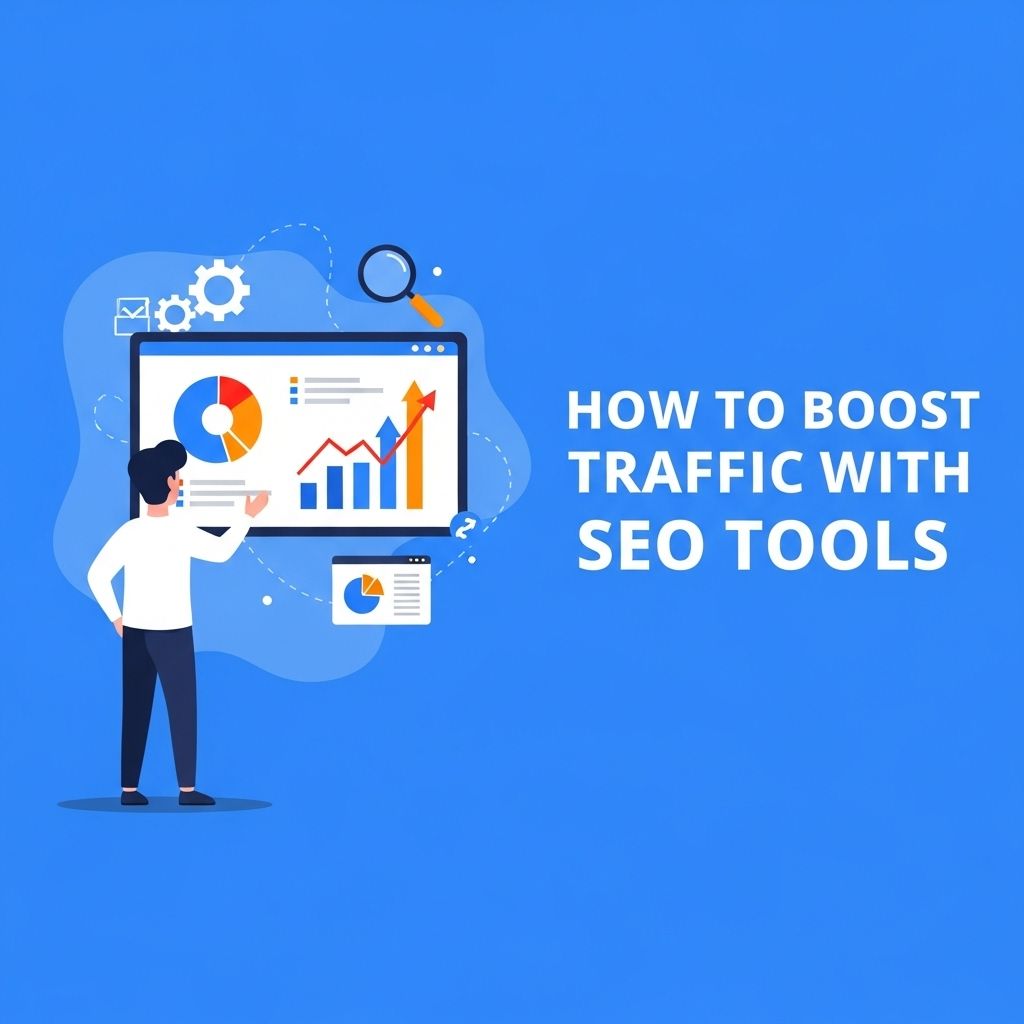
1. Use Analytics Tools
Tools like Google Analytics and SEMrush can provide insights into your website performance and user behavior:
- Monitor traffic sources and user engagement.
- Adjust your strategy based on performance metrics.
2. Stay Updated on SEO Trends
SEO is dynamic; keeping abreast of the latest trends and algorithm updates is essential. Follow trusted SEO blogs and communities.
Conclusion
Boosting website traffic through effective SEO practices requires a combination of the right tools, quality content creation, performance enhancement, and continuous monitoring. By leveraging these strategies, tech-savvy individuals and businesses can not only increase their traffic but also build a credible and sustainable online presence. Embrace the power of SEO and watch your website ascend the ranks of search engine results.
FAQ
What are SEO tools and how can they help boost traffic?
SEO tools are software applications designed to analyze website performance, keyword rankings, and competitive analysis. They help identify optimization opportunities that can increase organic traffic.
Which SEO tools are best for increasing website traffic?
Some of the best SEO tools for boosting website traffic include Google Analytics, SEMrush, Ahrefs, Moz, and Yoast SEO. Each tool offers unique features for keyword research, site audits, and backlink analysis.
How can I use keyword research to improve my site traffic?
Keyword research helps you identify popular search terms relevant to your content. By optimizing your website for these keywords, you can attract more visitors from search engines.
What role does content quality play in SEO and traffic generation?
High-quality content is crucial for SEO because search engines prioritize valuable and relevant content. Engaging and informative articles can lead to higher rankings and more traffic.
How often should I analyze my website’s SEO performance?
It’s recommended to analyze your website’s SEO performance at least once a month. Regular monitoring allows you to adjust strategies based on traffic trends and algorithm changes.
Can social media impact my website’s SEO and traffic?
Yes, social media can significantly impact SEO and traffic. Sharing your content on social platforms increases visibility, drives referral traffic, and can enhance your site’s backlink profile.