In a world that often challenges our self-worth, cultivating self-confidence can seem like a daunting task. However, it is a crucial component of personal development that can lead to greater success in various aspects of life. Building self-confidence isn’t merely about feeling good; it’s about equipping ourselves with the ability to navigate challenges, embrace opportunities, and maintain a positive outlook. In this article, we will explore effective strategies that can help enhance your self-confidence in five simple steps.
Boosting your self-confidence doesn’t have to be a daunting task. In just five simple steps, you can begin to see transformative changes in how you perceive and present yourself. For those looking to enhance their brand while building confidence, using bag mockups for branding can serve as a powerful visual tool.
Table of Contents
Understanding Self-Confidence
Before we delve into the steps, it’s essential to grasp what self-confidence truly means. At its core, self-confidence is the belief in one’s abilities and judgment. It is about trusting yourself to make decisions and take actions that lead to positive outcomes.
The Importance of Self-Confidence
Self-confidence plays a pivotal role in various areas of life, including:
- Career Advancement: Confident individuals are more likely to seek promotions, negotiate salaries, and take on leadership roles.
- Social Interactions: Higher self-confidence fosters better relationships and enhances communication skills.
- Mental Well-being: Confidence contributes to lower levels of anxiety and stress.
- Resilience: Self-confident individuals tend to bounce back from failures more effectively.
Step 1: Set Achievable Goals
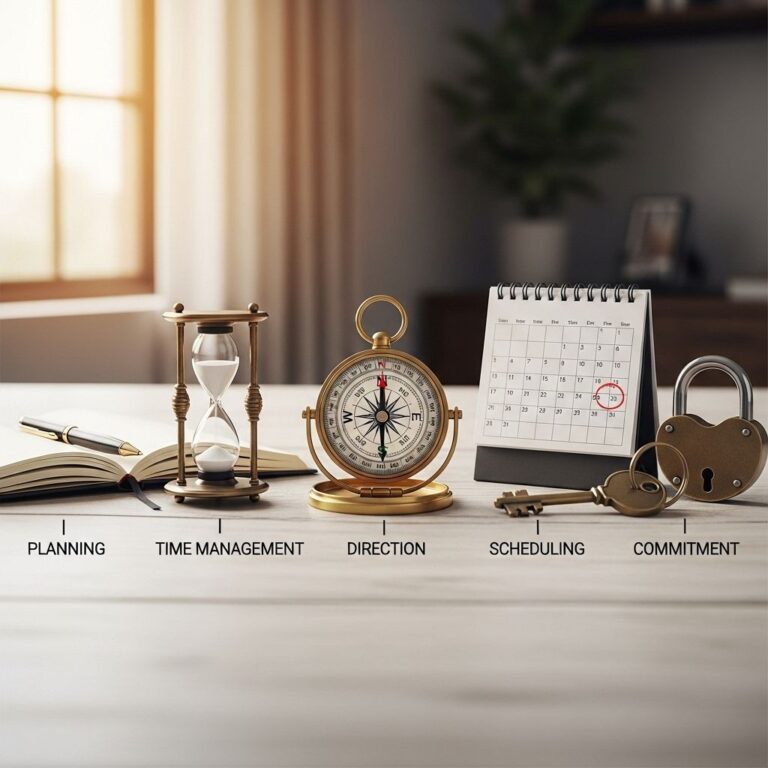
The first step to boosting self-confidence is setting specific, achievable goals. Goals provide direction and a sense of purpose. By breaking larger objectives into smaller, manageable tasks, you can experience a sense of accomplishment as you complete each one.
How to Set Achievable Goals:
- Define Your Goals: Clearly articulate what you want to achieve.
- Make Them SMART: Ensure your goals are Specific, Measurable, Achievable, Relevant, and Time-bound.
- Track Your Progress: Keep a journal or use apps to monitor your advancements.
Step 2: Embrace Positive Self-talk
Your inner dialogue significantly affects your self-esteem. Negative self-talk can be debilitating, but by training your mind to focus on positivity, you can foster a more confident mindset.
Strategies for Positive Self-Talk:
- Affirmations: Create a list of positive statements you can repeat daily.
- Challenge Negative Thoughts: Whenever you catch yourself thinking negatively, counter it with a positive fact.
- Visualize Success: Picture yourself succeeding in your goals to reinforce positive outcomes.
Step 3: Acquire New Skills
Learning new skills can significantly boost your self-confidence. It equips you with the knowledge and capabilities to take on new challenges. Whether related to your career or personal interests, acquiring skills can open new doors.
How to Acquire New Skills:
- Online Courses: Platforms like Coursera or Udemy offer a plethora of courses.
- Workshops: Participate in workshops or seminars relevant to your interests.
- Practice: Regular practice helps cement new skills and increases your competence.
Step 4: Step Out of Your Comfort Zone
Growth occurs outside your comfort zone. Taking calculated risks can feel intimidating, but it’s essential for building self-confidence. By pushing your boundaries, you prove to yourself that you can handle challenges.
Ways to Step Out of Your Comfort Zone:
- Start Small: Begin with minor challenges to gradually build your confidence.
- Seek Opportunities: Volunteer for projects or tasks that intimidate you.
- Reflect on Experiences: After trying something new, evaluate what you learned and how you felt.
Step 5: Surround Yourself with Supportive People
Your social circle significantly influences your self-confidence. Surrounding yourself with positive, supportive individuals can bolster your self-image and encourage you to pursue your goals.
Creating a Supportive Environment:
- Identify Positive Influences: Look for friends, mentors, or colleagues who uplift you.
- Establish Boundaries: Distance yourself from negative influences that drain your confidence.
- Engage in Support Groups: Find groups that align with your interests and values.
Measuring Your Confidence Growth
To monitor your progress, consider implementing the following strategies:
- Self-Reflection Journals: Document your thoughts and feelings about your confidence journey.
- Feedback from Others: Seek constructive feedback from trusted friends or mentors.
- Confidence Assessments: Utilize tools or questionnaires designed to measure your confidence levels over time.
Conclusion
Building self-confidence is a journey that requires patience, commitment, and self-discovery. By following these five simple steps—setting achievable goals, embracing positive self-talk, acquiring new skills, stepping out of your comfort zone, and surrounding yourself with supportive people—you can cultivate a more confident version of yourself. Remember, self-confidence isn’t about being perfect; it’s about believing in your ability to navigate life’s challenges with resilience and positivity.
FAQ
What are the first steps to building self-confidence?
Start by setting small, achievable goals that allow you to experience success, which can significantly boost your self-esteem.
How can positive self-talk improve my confidence?
Positive self-talk helps to reframe negative thoughts and promotes a more optimistic outlook, enhancing your self-belief and confidence.
Why is body language important for self-confidence?
Adopting open and confident body language can influence not only how others perceive you, but also how you perceive yourself, leading to increased self-assurance.
How does surrounding myself with supportive people affect my confidence?
Being around positive, supportive individuals can uplift you, provide encouragement, and help reinforce your self-worth.
What role does practice play in building self-confidence?
Regular practice in areas where you wish to improve can lead to mastery and increased confidence as you become more skilled.
Can visualization techniques help enhance self-confidence?
Yes, visualizing successful outcomes can create a mental roadmap for achievement, making it easier to approach challenges with confidence.