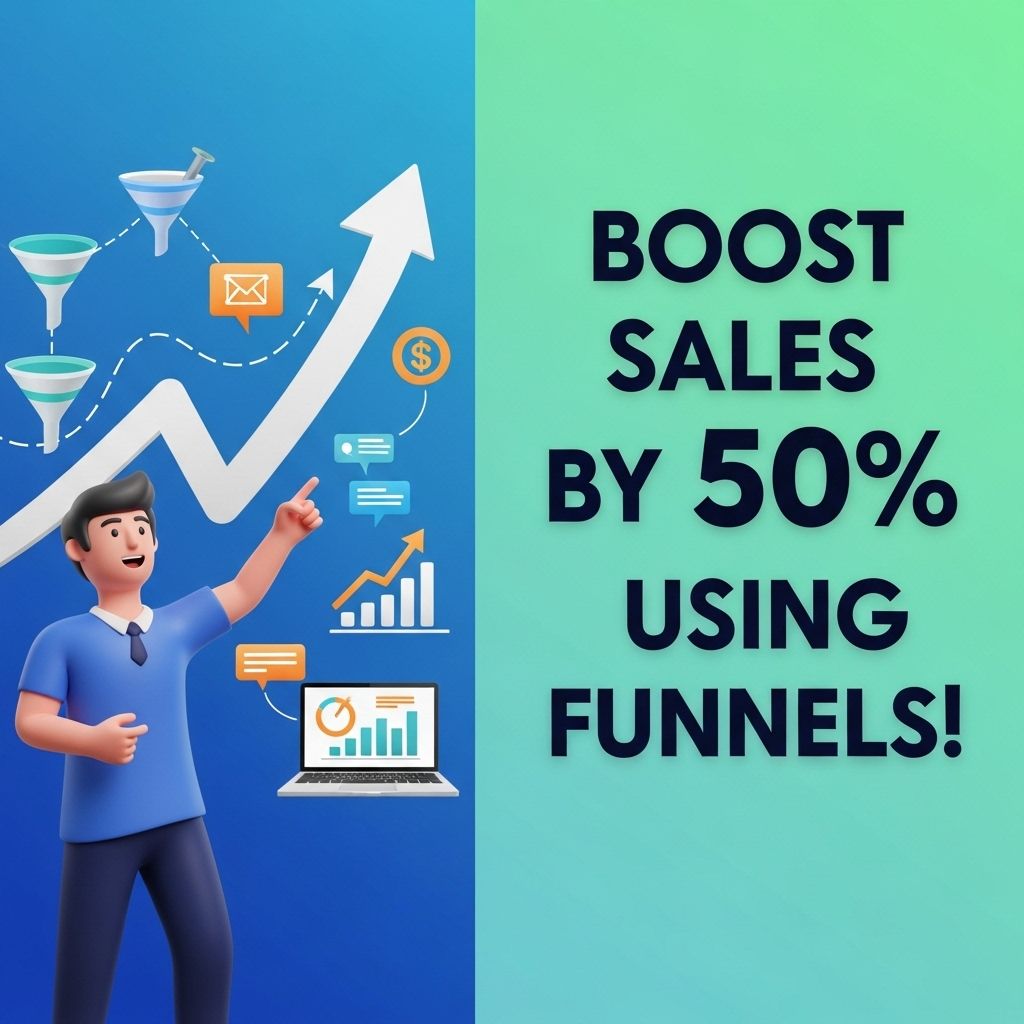
Sales funnels are a crucial element in the online marketing landscape, enabling businesses to streamline their processes and significantly increase their bottom line. With a structured approach, many companies have reported sales increases of over 50% simply by optimizing their funnels. In this article, we’ll explore the various components of effective sales funnels and provide actionable insights to help you maximize your revenue.
Unlock the potential to boost your sales by 50% through the strategic use of sales funnels. By guiding customers through a well-structured journey, you can significantly enhance conversion rates and maximize revenue. For businesses looking to elevate their branding, consider exploring how to create bag mockups to visually showcase your products.
Table of Contents
Understanding the Sales Funnel
A sales funnel is a visual representation of the journey potential customers take from initial awareness to the final purchase decision. It usually consists of several stages, each designed to guide the prospect closer to a conversion.
Stages of the Sales Funnel
- Aware: The prospect becomes aware of your brand or product.
- Interest: The prospect expresses interest and seeks more information.
- Consideration: The prospect evaluates your offering against competitors.
- Intent: The prospect demonstrates intent to purchase.
- Purchase: The final decision to buy is made.
Building an Effective Sales Funnel
To create an effective funnel, it’s essential to focus on optimizing each stage. Below are strategies that can help enhance each part of the funnel.
1. Attracting Traffic
The first step in boosting your sales is to drive traffic to your funnel. Here are some methods to consider:
- Content Marketing: Create high-quality blog posts, videos, or podcasts that address your target audience’s pain points.
- SEO: Optimize your content for search engines to increase organic traffic.
- Social Media: Use platforms like Facebook, Instagram, and LinkedIn to share engaging content and promote your offerings.
- PPC Advertising: Invest in pay-per-click campaigns to drive targeted traffic quickly.
2. Capturing Leads
Once you attract traffic, the next step is to capture leads through enticing offers. Here are some effective lead magnets:
- Free Ebooks: Offer a comprehensive guide related to your industry.
- Webinars: Host live sessions to educate your audience while promoting your solutions.
- Discount Codes: Provide time-limited discounts to incentivize sign-ups.
- Email Newsletters: Encourage visitors to subscribe for regular updates and exclusive content.
3. Nurturing Leads
Lead nurturing is critical in transforming prospects into paying customers. Utilize the following techniques:
| Technique | Description |
|---|---|
| Email Automation | Set up automated drip campaigns to send targeted emails based on user behavior. |
| Personalization | Use data to personalize offerings and messages to individual prospects. |
| Retargeting Ads | Display targeted ads to users who have interacted with your brand but haven’t converted yet. |
4. Closing Sales
As prospects move closer to making a purchase decision, it’s essential to remove any obstacles that may hinder them. Consider the following strategies:
- Clear CTAs: Ensure that your call-to-action buttons are prominent and clearly worded.
- Testimonials and Reviews: Showcase social proof to build trust and credibility.
- Live Chat Support: Provide real-time assistance to answer any lingering questions from potential buyers.
Measuring Funnel Performance
After implementing your sales funnel, it’s crucial to measure its effectiveness. Here are key performance indicators (KPIs) to track:
Key Metrics to Monitor
- Conversion Rate: The percentage of visitors who complete the desired action.
- Drop-off Rate: The percentage of leads that cease engagement at each stage of the funnel.
- Customer Acquisition Cost (CAC): The total cost spent on acquiring new customers.
- Lifetime Value (LTV): The total revenue expected from a customer throughout their relationship with your business.
Continuous Optimization
Boosting sales by 50% is not a one-time effort; it requires continuous analysis and optimization. Here’s how you can ensure your funnel remains effective:
1. A/B Testing
Conduct experiments on various elements of your funnel, such as:
- Landing page design and copy
- Email subject lines and content
- CTA placements and wording
2. Gather Feedback
Solicit feedback from users who have completed the funnel, as well as those who dropped off, to identify areas for improvement.
3. Stay Updated
Keep abreast of industry trends and changing consumer behaviors to adapt your funnel strategies accordingly.
Final Thoughts
Investing time and resources into developing a robust sales funnel can yield significant returns. By understanding the stages of the funnel and employing best practices at each step, your business can enhance its sales performance dramatically. Remember, the key to success lies in continuous evaluation and adaptation to meet the ever-evolving needs of your audience.
FAQ
What are sales funnels and how do they work?
Sales funnels are marketing strategies that guide potential customers through a step-by-step process, from awareness to purchase, helping to convert leads into sales.
How can I increase my sales by 50% using funnels?
You can boost sales by optimizing each stage of your funnel, targeting the right audience, and using effective calls-to-action to encourage conversions.
What are the key components of a successful sales funnel?
A successful sales funnel includes awareness, interest, decision, and action stages, along with effective content and engagement strategies at each point.
How do I track the effectiveness of my sales funnel?
You can track the effectiveness of your sales funnel by using analytics tools to measure conversion rates, customer engagement, and overall sales performance.
What common mistakes should I avoid when creating a sales funnel?
Common mistakes include neglecting user experience, failing to segment your audience, and not testing different strategies to find what works best.