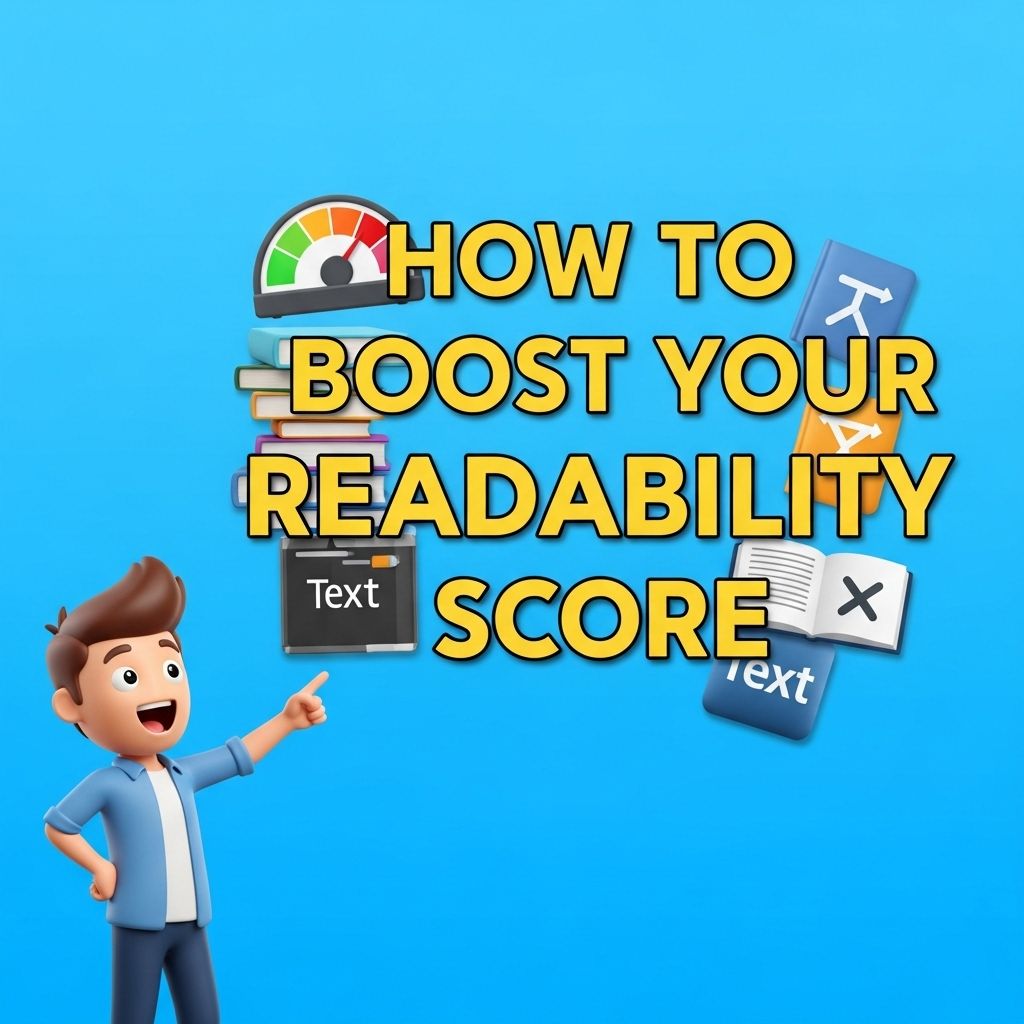
In an age where information overload is a common challenge, ensuring that your writing is clear and easily digestible is paramount. Whether you’re a blogger, content creator, or business professional, enhancing your readability score can significantly impact how well your audience understands and engages with your content. This article delves into practical strategies for improving your readability, utilizing tools and techniques that are effective and user-friendly.
Improving your readability score can be a straightforward task with the right tools and techniques. By focusing on clear structure and concise language, you can elevate the accessibility of your writing, making it more engaging for readers. For example, resources like jar packaging mockups can visually enhance presentations, complementing your text effectively.
Table of Contents
Understanding Readability
Readability refers to how easy it is for a reader to understand and engage with a text. Various factors contribute to a text’s readability score, including:
- Sentence length
- Word choice
- Paragraph structure
- Use of jargon or complex terminology
Several formulas exist to measure readability, such as the Flesch-Kincaid Grade Level and the Gunning Fog Index, which provide insights into the educational level required to comprehend a text. A higher readability score indicates that content is easier to read.
Using Readability Tools
Before improving your writing, it’s helpful to assess your current readability score. There are numerous online tools available that can analyze your text and provide feedback:
Popular Readability Assessment Tools
| Tool | Description | Features |
|---|---|---|
| Grammarly | Writing assistant that assesses grammar and readability. | Real-time feedback, readability scores, tone detection |
| Hemingway Editor | Focuses on sentence structure and complexity. | Highlights complex sentences, readability grade |
| Readability Test Tool | Generates scores based on various formulas. | Multiple readability formulas, text analysis |
Utilizing these tools can provide valuable insights into areas that need improvement.
Strategies to Enhance Readability
1. Simplify Your Language
Using simple language is essential for ensuring your content is accessible. Here are some strategies to simplify your language:
- Opt for common words over complex synonyms.
- Break down jargon or technical terms with explanations.
- Use concrete language that paints a clear picture.
2. Shorten Your Sentences
Long, convoluted sentences can confuse readers. Aim to keep sentences concise. Consider the following tips:
- Limit sentences to 15-20 words.
- Use one idea per sentence.
- Eliminate unnecessary words that do not serve the content.
3. Use Active Voice
Active voice makes sentences clearer and more direct. Instead of saying, “The report was written by John,” say, “John wrote the report.” This change can enhance the engagement level of your readers.
4. Organize Your Content
Clear structure aids readability. Here’s how you can organize content effectively:
- Use headings and subheadings to break up text.
- Employ bullets or numbered lists to simplify information presentation.
- Include white space to avoid cluttered text.
5. Format for Readability
How content is visually presented can influence readability. Consider the following formatting tips:
| Formatting Element | Best Practices |
|---|---|
| Font Size | Use a minimum of 12pt for body text. |
| Font Type | Choose sans-serif fonts for online content. |
| Line Spacing | Opt for 1.5 or double spacing for better readability. |
The Importance of Consistency
Consistency in writing style, tone, and formatting is crucial for readability. Here’s why:
- It helps readers know what to expect.
- It strengthens brand identity.
- It minimizes confusion and enhances understanding.
Developing a Style Guide
Creating a style guide can help establish consistency in your writing. A comprehensive style guide should include:
- Preferred vocabulary and terminology.
- Guidelines for tone and voice.
- Formatting and stylistic preferences.
Testing and Iterating
Improving readability is an ongoing process. Once you’ve made changes, test your content again using the readability tools mentioned earlier. Gather feedback from peers or your audience to identify further areas for refinement.
Conclusion
Boosting your readability score is not just about following rules; it’s about creating a connection with your audience through clear, engaging, and accessible content. By simplifying language, shortening sentences, using active voice, organizing effectively, and maintaining consistency, you can significantly enhance your writing’s impact. Remember, the ultimate goal is to communicate effectively, and your readers will appreciate the effort you put into making your writing understandable.
FAQ
What is a readability score?
A readability score is a measure of how easy or difficult a text is to read, often based on factors like sentence length and word complexity.
Why is readability important for writing?
Readability is important because it affects how well your audience can understand your content, which can lead to better engagement and retention.
What techniques can I use to improve my readability score?
To improve readability, use shorter sentences, simpler words, active voice, and proper formatting such as headings and bullet points.
Are there tools to check my readability score?
Yes, there are several online tools and software such as Hemingway Editor and Grammarly that can help you assess and improve your readability score.
How does the target audience influence readability?
Understanding your target audience helps tailor your language and complexity level, making your content more accessible and engaging for them.
Can visuals impact readability?
Yes, incorporating visuals like images, infographics, and videos can break up text and enhance understanding, thus improving overall readability.