In today’s competitive digital landscape, businesses are continuously seeking ways to enhance their conversion rates. Whether you’re running an e-commerce site, a lead generation page, or a service-based business, small tweaks can lead to significant improvements. To truly understand how to boost conversions by 50% or more, we need to delve into proven strategies, innovative tools, and the psychology behind consumer behavior.
Boosting your conversions by 50% is more achievable than you think, especially when you implement proven strategies that have worked for countless businesses. One effective approach is to enhance your product presentation; for instance, using premium jar designs can significantly elevate the perceived value of your offerings. Dive into these strategies to transform how your audience engages with your brand.
Table of Contents
The Importance of Conversion Rate Optimization (CRO)
Conversion Rate Optimization (CRO) is not just a buzzword; it’s a critical component of any successful marketing strategy. Improving your conversion rates means that more of your visitors are taking the desired action, whether that’s making a purchase, signing up for a newsletter, or requesting a quote.
Why Focus on CRO?
- Cost Efficiency: Optimizing existing traffic is often cheaper than acquiring new visitors.
- Enhanced User Experience: A well-optimized site provides a smoother experience, leading to happier customers.
- Higher Returns: Increased conversions directly impact your revenue without additional marketing costs.
Key Strategies to Increase Conversions
1. Understand Your Audience
Before implementing any strategies, it’s essential to understand who your audience is, what they want, and how they behave. Use analytics tools and customer feedback to create detailed buyer personas.
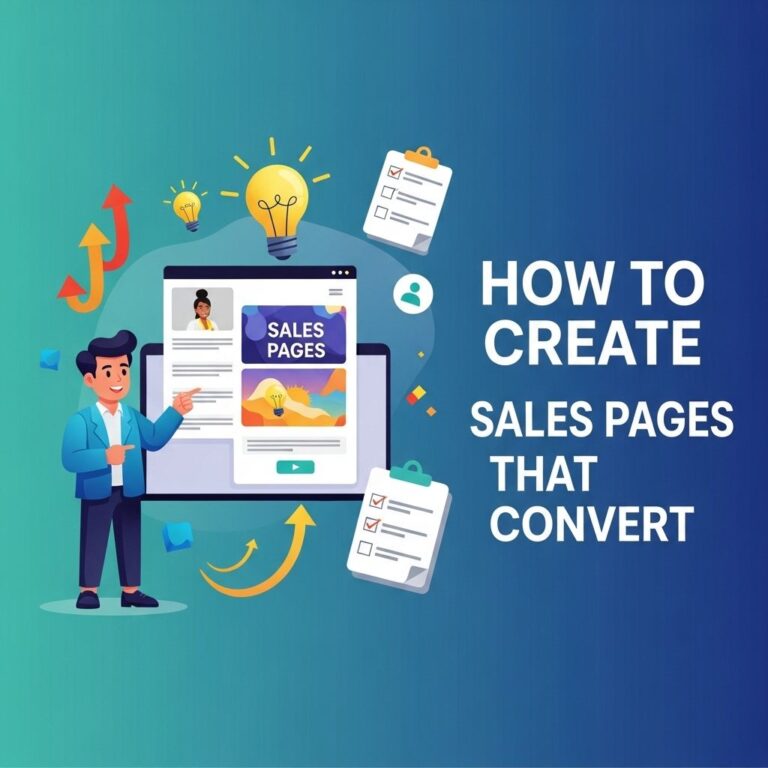
2. Optimize Your Landing Pages
Key Elements to Focus On:
| Element | Best Practices |
|---|---|
| Headlines | Use clear, compelling, and relevant headlines that capture attention. |
| Calls to Action (CTAs) | Make CTAs prominent, actionable, and aligned with the user’s intent. |
| Design | Ensure a clean, visually appealing layout that guides the user’s journey. |
3. Leverage A/B Testing
A/B testing is a powerful method for optimizing your site. By comparing two versions of a webpage, you can see which one performs better in terms of conversion rates. Here’s how to get started:
- Identify a variable to test (e.g., button color, header text).
- Create two versions of the page with different elements.
- Run the test for a predetermined period.
- Analyze the results and implement the winning version.
4. Enhance Trust Signals
Consumers are more likely to convert if they trust your brand. Incorporate trust signals on your site, such as:
- Customer testimonials and reviews
- Security badges
- Industry certifications
- Clear return policies
Utilizing Technology for Conversion Rate Improvement
1. Marketing Automation Tools
Tools like HubSpot and Marketo can help manage your marketing campaigns more efficiently. They allow you to segment your audience, personalize communications, and automate follow-ups, all of which contribute to higher conversion rates.
2. Chatbots and Live Chat Features
Integrating a chatbot or live chat feature can significantly enhance user experience by providing instant support. Customers appreciate quick answers, which can reduce bounce rates and improve conversions.
3. Personalization Techniques
Personalizing the user experience can lead to higher engagement and conversion rates. Consider implementing these strategies:
- Customized content based on user behavior
- Product recommendations based on browsing history
- Geolocation-based promotions
Content Marketing as a Conversion Booster
1. Create Valuable Content
High-quality, relevant content is essential for attracting and converting your audience. Consider the following content types:
- Blog posts that address pain points
- How-to guides and tutorials
- Video content that demonstrates your products or services
2. Use Effective CTAs in Your Content
Every piece of content should guide readers towards a conversion. Place CTAs strategically throughout your articles, and ensure they are relevant to the content that precedes them.
Measuring Success
To determine if your efforts are successful, it’s crucial to establish key performance indicators (KPIs) such as:
- Conversion rate
- Click-through rate (CTR)
- Bounce rate
- Customer acquisition cost (CAC)
Tools for Measuring Conversions
Utilize tools like Google Analytics, Hotjar, or Crazy Egg to track user interactions and gather insights on your conversion funnel.
Conclusion
Boosting conversions by 50% is an attainable goal, provided you employ the right strategies and tools. By understanding your audience, optimizing landing pages, leveraging technology, and focusing on quality content, you can create a streamlined, effective conversion path that leads to substantial growth for your business. Remember, the key to success lies in continuous testing and optimization, so be ready to adapt and evolve as you learn more about what works for your audience.
FAQ
What are some effective strategies to boost conversions by 50%?
Implementing A/B testing, optimizing landing pages, enhancing user experience, utilizing strong calls-to-action, and leveraging social proof can significantly increase conversions.
How can I improve my website’s user experience to increase conversions?
Focus on intuitive navigation, fast loading times, mobile optimization, and clear content to enhance user experience and drive higher conversions.
What role does A/B testing play in increasing conversion rates?
A/B testing allows you to compare different versions of your web pages to determine which one performs better, helping you make data-driven decisions to boost conversions.
How important are calls-to-action in improving conversion rates?
Strong, clear, and compelling calls-to-action are crucial as they guide users towards the desired action, significantly increasing the likelihood of conversions.
Can social proof really help in boosting conversions?
Yes, social proof such as testimonials, reviews, and case studies builds trust and credibility, encouraging potential customers to convert.
What metrics should I track to measure conversion rate improvements?
Key metrics to track include conversion rate, bounce rate, average session duration, and user engagement to effectively measure conversion improvements.