Creating a blog post that captivates readers and encourages interaction is an art form. With the explosion of digital content, ensuring your blog post stands out is essential. Whether you are a seasoned writer or a beginner, structuring your blog post effectively can significantly influence its success. Here are some valuable tips to help you craft a well-structured blog post that resonates with your audience.
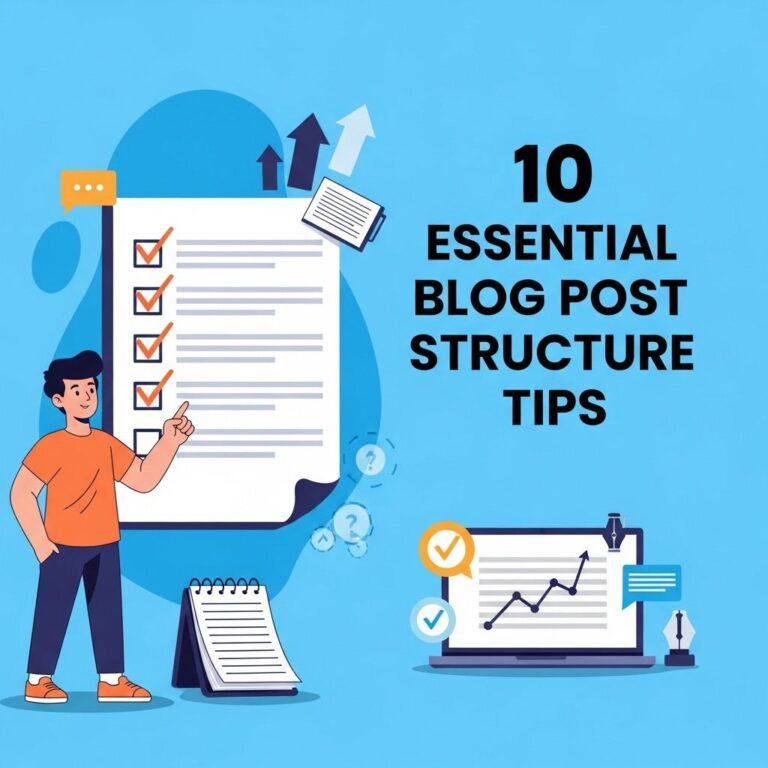
Structuring your blog posts effectively can significantly enhance readability and engagement. In this guide, we’ll explore 10 essential tips to help you create well-organized content that captures your audience’s attention. For those interested in design elements, check out these best bag mockup designs to elevate your visual presentation.
Table of Contents
Understanding Your Audience
The first step in writing a successful blog post is knowing who you are writing for. A clear understanding of your target audience allows you to tailor your content to meet their needs and interests.
Considerations for Audience Research:
- Demographics: Age, gender, location, and occupation.
- Interests: Hobbies, preferences, and common issues.
- Content Consumption Habits: Preferred platforms, formats (video, text, etc.), and reading depth.
Crafting an Engaging Title
Your title is the first impression readers will have of your post. A compelling title should be clear, concise, and intriguing.
Tips for Title Creation:
- Use strong action verbs.
- Incorporate keywords for SEO.
- Pose a question to pique curiosity.
- Keep it under 60 characters for better visibility in search results.
Creating an Intriguing Introduction
Your introduction should hook readers in and encourage them to continue reading. Start with a question, an interesting statistic, or a bold statement.
Elements of a Strong Introduction:
- A hook that grabs attention.
- A brief overview of what the post will cover.
- A clear thesis statement outlining the post’s purpose.
Utilizing Subheadings for Clarity
Breaking up your content with subheadings not only makes it more digestible but also aids in scanning. Use <h2> and <h3> tags effectively to organize your thoughts.
Benefits of Subheadings:
- Improves readability.
- Enhances SEO by including relevant keywords.
- Helps readers navigate lengthy posts.
Incorporating Visuals
Visuals can significantly enhance the appeal of your blog post. They can illustrate points, break up text, and keep readers engaged.
Types of Visuals to Include:
- Images: Relevant photos that complement the text.
- Infographics: Present complex information in a visually appealing way.
- Videos: Create a richer experience for your audience.
Implementing a Clear Structure
A well-organized structure is vital for maintaining reader interest. Paragraphs should be concise, and ideas should flow logically.
Suggested Structure Format:
- Introduction
- Main Body (divided into sections with subheadings)
- Conclusion
Engaging Your Readers with Questions
Asking questions throughout your post can encourage reader interaction. It compels your audience to think critically about the topic and share their opinions.
Examples of Engaging Questions:
- What has your experience been with this topic?
- How do you implement this advice in your daily life?
- Do you agree or disagree? Why?
Providing Value with Actionable Tips
Your blog post should aim to provide value to your readers. Offering actionable tips will ensure your audience leaves with something practical they can apply.
Effective Ways to Present Actionable Tips:
- Use bullet points for easy comprehension.
- Include step-by-step guides.
- Insert relevant examples to illustrate your points.
Concluding with Impact
Your conclusion should summarize the main points and reinforce the value provided. It is also a great opportunity to encourage further engagement.
Effective Conclusion Strategies:
- Restate the main thesis.
- Offer a call-to-action (CTA) encouraging comments or shares.
- Invite readers to subscribe for updates.
Editing and Proofreading
Before hitting the publish button, always take the time to edit and proofread your post. This step is crucial for maintaining professionalism and credibility.
Editing Checklist:
- Check for grammar and spelling errors.
- Ensure clarity and coherence of arguments.
- Verify that links and references are functional.
The Importance of Promotion
Effective Promotion Strategies:
- Share on social media platforms like Facebook, Twitter, and LinkedIn.
- Email newsletters to your subscriber list.
- Engage in communities and forums related to your topic.
By following these tips, you can create a well-structured blog post that not only attracts readers but also encourages them to engage with your content. Remember, the ultimate goal is to provide value while building a loyal readership. Happy blogging!
FAQ
What is the ideal structure for a blog post?
An ideal blog post structure typically includes a captivating title, an engaging introduction, clear headings and subheadings, well-organized body content, and a strong conclusion.
How important are headings in a blog post?
Headings are crucial as they improve readability, help organize content, and enhance SEO by allowing search engines to understand the main topics of your post.
Should I include images in my blog posts?
Yes, including images can make your blog posts more engaging, help illustrate your points, and improve SEO through alt text.
How long should my blog posts be?
While there is no strict rule, blog posts that are between 1,500 to 2,500 words tend to perform better in terms of SEO and reader engagement.
What role does a conclusion play in a blog post?
A conclusion summarizes the key points, reinforces the main message, and often includes a call-to-action, encouraging readers to engage further.
Is it important to use bullet points or lists in blog posts?
Absolutely! Bullet points and lists enhance readability, allow readers to scan content easily, and can highlight important information effectively.