In today’s gig economy, freelancing has emerged as a viable and appealing alternative to traditional employment. The internet has opened up countless opportunities for individuals with various skill sets to offer their services to clients worldwide. However, for beginners stepping into the freelancing world, choosing the right platform can be overwhelming. This article aims to guide you through the top platforms that cater specifically to beginners, providing a detailed overview of their features, pros, and cons.
For aspiring freelancers, choosing the right platform can significantly impact your career trajectory. In this guide, we’ll explore the top 10 platforms tailored for beginners, providing insights into how each can help you kickstart your freelance journey. Whether you’re a designer looking for bag mockup templates or a writer seeking clients, these platforms offer various opportunities to showcase your skills.
Table of Contents
Understanding Freelancing Platforms
Freelancing platforms serve as intermediaries between clients and freelancers. They provide a space where freelancers can showcase their skills, find job opportunities, and communicate with clients. Some platforms are geared towards specific industries, while others cater to a broad range of services.
Key Features of Freelancing Platforms
- User Interface: A friendly and intuitive interface enhances the user experience for beginners.
- Payment Security: Platforms should ensure secure payment methods to safeguard freelancers’ earnings.
- Skill Matching: Effective platforms help match freelancers with jobs that suit their skill sets.
- Support and Resources: Quality platforms often provide resources for skill development and client management.
1. Upwork
Upwork is one of the largest freelancing platforms globally and offers a vast range of job categories, from writing and design to programming and marketing.
Pros:
- Wide variety of job opportunities.
- Robust project management tools.
- Client reviews help build a freelancer’s reputation.
Cons:
- Higher service fees on lower-paying jobs.
- Competition can be intense, especially for beginners.
2. Fiverr
Fiverr is unique in that freelancers create ‘gigs’ that clients can purchase. It’s an excellent platform for those who want to offer specific services at set prices.
Pros:
- Easy to set up and start selling services.
- Flexible pricing and service offerings.
Cons:
- High competition for visibility.
- Service fees can cut into earnings.
3. Freelancer
Freelancer offers a wide range of projects and allows freelancers to bid on jobs posted by clients, making it an excellent platform for beginners looking to gain experience.
Pros:
- Large user base means more job opportunities.
- The bidding system can allow for higher earnings.
Cons:
- Fees for bidding on projects.
- Quality of jobs can vary significantly.
4. Toptal
Toptal is designed for experienced freelancers, focusing on tech and finance professionals. While it may not be the best choice for absolute beginners, it can be a great option for those with some experience.
Pros:
- High-quality clients.
- Top-tier freelancers are rigorously vetted.
Cons:
- Not ideal for new freelancers without a portfolio.
- Rigorous application process.
5. Guru
Guru allows freelancers to showcase their past work and provides various options for project types, including hourly, milestone-based, and fixed-price work.
Pros:
- Flexibility in payment methods.
- User-friendly interface.
Cons:
- Less visibility compared to other platforms.
- Fees can be confusing at times.
6. PeoplePerHour
This UK-based platform connects clients with freelancers for various projects, primarily in design, writing, and marketing.
Pros:
- Local focus for UK-based freelancers.
- Good for short-term projects.
Cons:
- Limited job opportunities outside the UK.
- Fees may deter some freelancers.
7. 99designs
For freelance designers, 99designs offers a unique platform where clients can host design contests, allowing freelancers to submit their designs.
Pros:
- Ability to showcase skills through contests.
- Focus on design means more relevant projects.
Cons:
- Contests can be hard to win.
- Often low payment for considerable effort.
8. SimplyHired
SimplyHired is a job search engine that aggregates freelance and remote job listings from various sources, making it easy for freelancers to find opportunities.
Pros:
- Wide variety of remote jobs available.
- Simple search interface.
Cons:
- Less control over job quality.
- Not solely focused on freelancing.
9. FlexJobs
FlexJobs specializes in remote, part-time, freelance, and flexible jobs, providing a great resource for beginners who need flexibility in their work schedules.
Pros:
- Curated job listings ensure quality opportunities.
- Focus on work-life balance.
Cons:
- Membership fee required to access job listings.
- May not have as many listings as larger platforms.
10. TaskRabbit
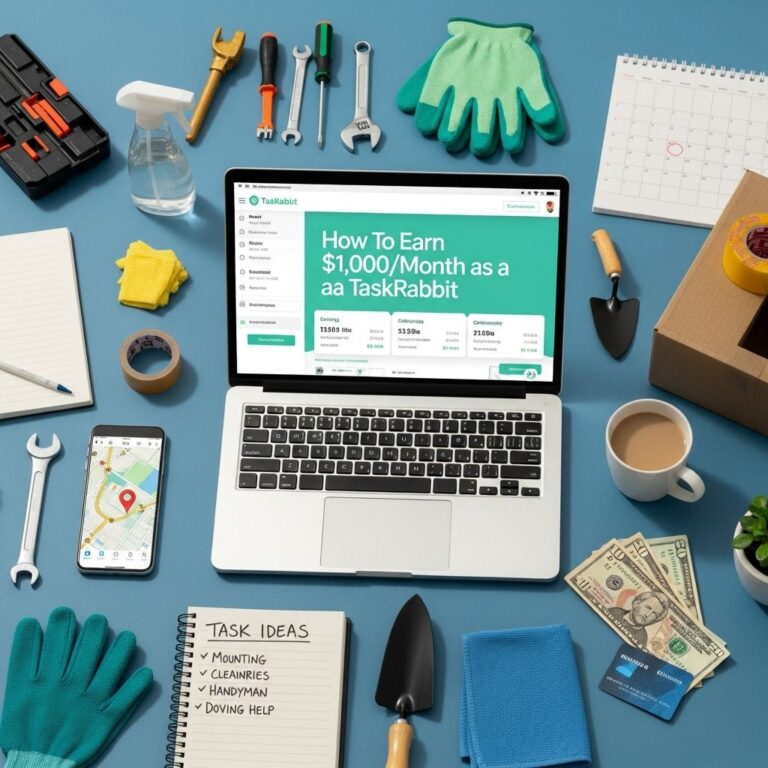
TaskRabbit focuses on local freelance jobs, connecting people with tasks they need help with, such as cleaning, moving, or handyman services.
Pros:
- Variety of hands-on tasks available.
- Great for those who prefer physical work.
Cons:
- Limited to local opportunities.
- Not suitable for remote freelancers.
Conclusion
Choosing the right platform is crucial for beginners in the freelancing world. Consider your skills, the type of work you want to do, and the level of competition on each platform. With the right approach and dedication, you can build a successful freelancing career that aligns with your goals and lifestyle.
FAQ
What are the best platforms for beginner freelancers?
Some of the best platforms for beginner freelancers include Upwork, Fiverr, Freelancer, Guru, PeoplePerHour, and Toptal, as they offer a wide range of job opportunities and user-friendly interfaces.
Is it easy to find work on freelance platforms?
Yes, many freelance platforms are designed to connect freelancers with clients easily, although competition can be high for popular gigs.
Do I need a portfolio to start freelancing?
While having a portfolio can significantly enhance your chances of getting hired, many platforms allow beginners to start without one by offering competitive rates or showcasing skills.
How do I set my rates as a beginner freelancer?
Beginner freelancers should consider starting with lower rates to attract clients and build a portfolio, then gradually increase rates as they gain experience and positive reviews.
Are there any fees associated with freelance platforms?
Yes, most freelance platforms charge service fees, which can range from 5% to 20% of your earnings, so it’s essential to factor these into your pricing.
Can I freelance part-time while working a full-time job?
Absolutely! Many freelancers start part-time while maintaining a full-time job, allowing them to build their freelance career gradually.