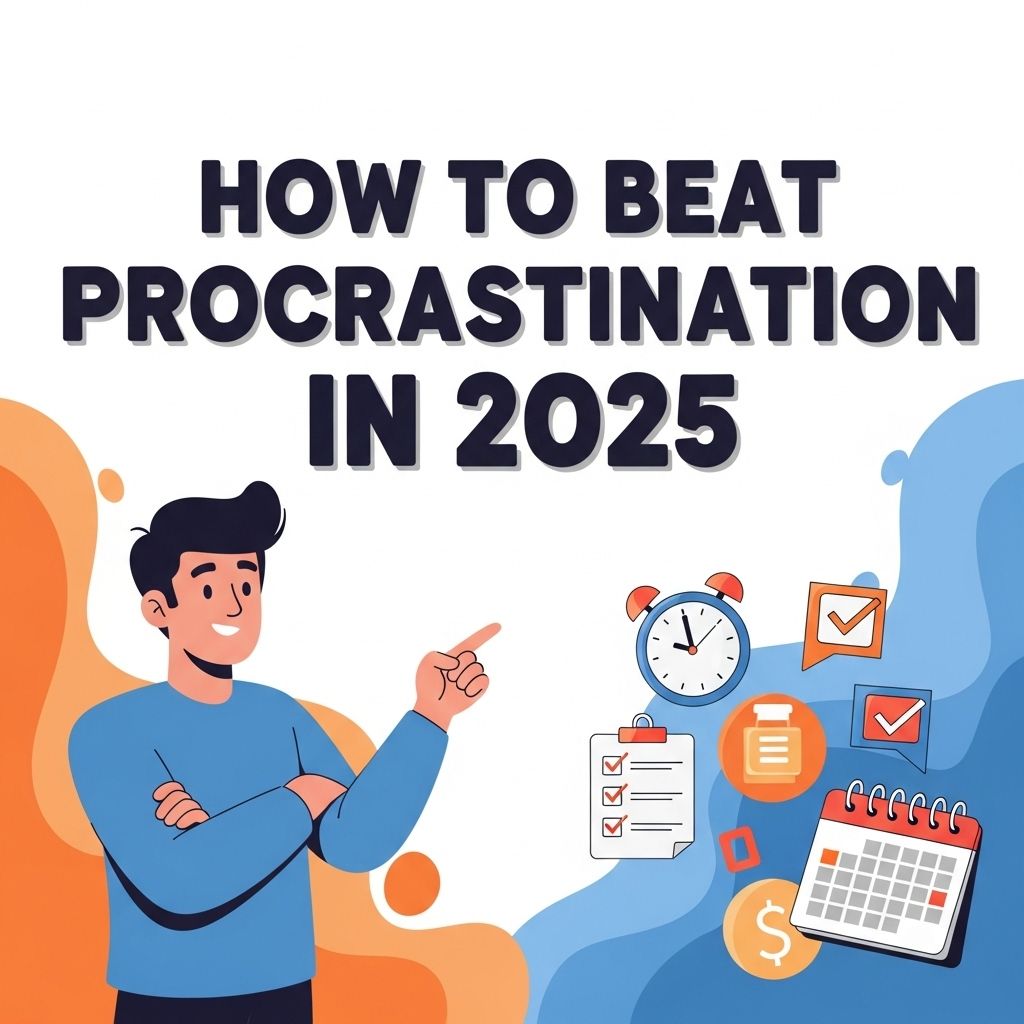
Procrastination is a challenge faced by many in today’s fast-paced world. As we step into 2025, the need to overcome procrastination has never been more crucial. With a plethora of distractions at our fingertips, the ability to focus and execute tasks effectively can determine success in both personal and professional realms. This article aims to equip you with actionable strategies that leverage technology and psychology to effectively combat procrastination in the contemporary landscape.
Procrastination can be a significant barrier to achieving our goals, especially as we look forward to 2025 and beyond. To conquer this common challenge, it’s essential to implement strategies that promote productivity and time management. One effective way to stay organized is to utilize resources like varieties of bag mockups for visual inspiration in your projects.
Table of Contents
Understanding Procrastination
Before we can tackle procrastination, it’s important to understand its roots. Procrastination is often a symptom of deeper issues such as:
- Fear of Failure: The worry of not meeting expectations can lead to avoidance.
- Perfectionism: Wanting everything to be perfect can halt progress.
- Lack of Motivation: Feeling disengaged from tasks can result in delays.
- Overwhelm: Large projects can make starting seem daunting.
Identifying Your Procrastination Triggers
To effectively combat procrastination, it is critical to identify what specifically triggers it for you. Consider the following:
Self-Reflection Questions
- What tasks do I frequently delay?
- What emotions do I associate with these tasks?
- Are there specific times of day when I procrastinate more?
- Do certain environments or contexts lead to procrastination?
After answering these questions, you will have a clearer picture of your personal procrastination triggers. This insight is essential for developing tailored strategies.
Effective Strategies to Overcome Procrastination
Once you have identified your triggers, consider implementing the following strategies to combat procrastination:
1. Break Tasks into Smaller Steps
Large projects can feel overwhelming. Breaking them down into smaller, manageable tasks can make them less daunting and enhance your motivation. For example:
| Large Task | Smaller Steps |
|---|---|
| Write a Research Paper | 1. Choose a topic 2. Conduct preliminary research 3. Outline the paper 4. Write the introduction 5. Write each section one by one |
2. Set Clear Deadlines
Vague timelines can lead to procrastination. Setting specific, realistic deadlines creates a sense of urgency and commitment. Utilize digital calendars or project management tools like:
- Asana
- Trello
- Todoist
3. Use the Pomodoro Technique
This time management method encourages focused work sessions followed by short breaks. Here’s how to implement it:
- Choose a task you want to work on.
- Set a timer for 25 minutes.
- Work on the task until the timer goes off.
- Take a 5-minute break.
- Repeat this process and take a longer break after four sessions.
Leveraging Technology
In the digital age, technology can be your ally in overcoming procrastination. Here are some tools designed to help:
1. Productivity Apps
These apps can streamline task management and keep you accountable:
- Forest: A unique app that incentivizes focus by growing a virtual tree during uninterrupted work time.
- Focus@Will: Music designed to enhance concentration and productivity.
- RescueTime: Tracks your digital habits and provides insights to help you manage your time better.
2. Browser Extensions
Consider these extensions to limit distractions:
- StayFocusd: Limits the time spent on distracting websites.
- Tackker: Helps you block distracting sites temporarily.
Incorporating Mindfulness and Self-Care
Mindfulness and self-care play a significant role in enhancing focus and reducing procrastination. Here are some practices to incorporate:
Meditation
Regular meditation can improve focus and reduce anxiety. Just a few minutes a day can enhance your mental clarity, making it easier to tackle tasks.
Physical Activity
Exercise can boost your mood and energy levels, making it easier to concentrate. Consider integrating:
- Short workout sessions throughout the day
- Walking meetings
- Active breaks between work periods
Healthy Routines
Establishing a healthy daily routine that includes adequate sleep, nutrition, and hydration can significantly impact your productivity levels.
Creating an Environment Conducive to Focus
Your workspace plays a pivotal role in your ability to concentrate. Here are some tips for optimizing your environment:
1. Declutter Your Workspace
A tidy workspace can lead to a clear mind. Remove unnecessary items that distract you and keep your area organized.
2. Minimize Digital Distractions
Turn off non-essential notifications on your devices and create a focused workspace by using applications that filter distractions.
Accountability and Support Systems
Having a support system can significantly enhance your success in overcoming procrastination. Here’s how to utilize it:
1. Find an Accountability Partner
Sharing your goals with someone else can increase your likelihood of following through. Regular check-ins can help keep you on track.
2. Join a Study or Work Group
Being part of a group can foster motivation and provide a supportive environment where members encourage each other to stay productive.
Conclusion
Overcoming procrastination in 2025 requires a multifaceted approach that combines self-awareness, effective strategies, and leveraging technology. By understanding your procrastination triggers, implementing structured time management techniques, and creating a conducive work environment, you can enhance your productivity and achieve your goals. Remember, the key is consistency; don’t get discouraged by setbacks but instead view them as opportunities to learn and grow. Start small, stay committed, and take control of your time—your future self will thank you.
FAQ
What are effective strategies to beat procrastination in 2025?
Effective strategies to beat procrastination in 2025 include setting clear goals, breaking tasks into smaller steps, using time management techniques like the Pomodoro Technique, and minimizing distractions through digital detox.
How can technology help in overcoming procrastination?
Technology can help in overcoming procrastination by providing apps that track progress, set reminders, and block distracting websites, making it easier to stay focused on tasks.
What role does mindfulness play in reducing procrastination?
Mindfulness plays a crucial role in reducing procrastination by helping individuals stay present, manage stress, and understand their triggers, allowing for better decision-making regarding task completion.
Are there specific habits to develop to stop procrastinating?
Yes, specific habits to develop include prioritizing tasks, creating a daily schedule, practicing self-discipline, and regularly reviewing progress to stay accountable.
How important is setting deadlines to combat procrastination?
Setting deadlines is essential to combat procrastination as it creates a sense of urgency, encourages commitment, and helps individuals focus on completing tasks in a timely manner.
Can accountability partners help in beating procrastination?
Yes, accountability partners can significantly help in beating procrastination by providing support, motivation, and encouragement to stay on track with goals and deadlines.