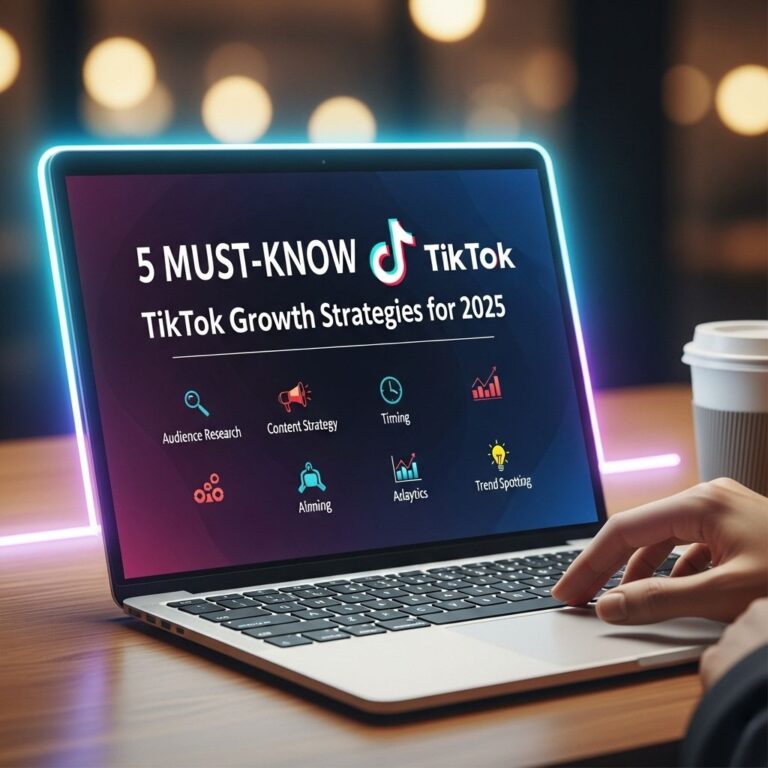
In a world where social media dominates communication, businesses and individuals alike need to strategize their approach to social media engagement. Automating your social media strategy can save time, enhance reach, and improve interaction with your audience. This article delves into the various methods, tools, and best practices for automating your social media strategy effectively.
In today’s digital age, automating your social media strategy can save time and enhance your brand’s presence. By following these five steps, you can streamline your efforts and focus more on creative elements, such as using bag mockups for branding, to capture your audience’s attention.
Table of Contents
Understanding Social Media Automation
Social media automation refers to the process of using software or online tools to automate repetitive tasks associated with managing social media profiles. These tasks may include posting content, responding to comments, and analyzing performance metrics. By automating these processes, you can focus on creating quality content and engaging with your audience on a deeper level.
Benefits of Automating Your Social Media Strategy
- Increased Productivity: Automation allows you to schedule posts in advance, freeing up time for other important tasks.
- Consistent Posting: Maintain a regular posting schedule even during busy periods, ensuring your audience is continuously engaged.
- Better Analytics: Automation tools often come with comprehensive analytics that help you measure the effectiveness of your campaigns.
- Audience Engagement: Some tools can automatically respond to comments and messages, allowing for timely interactions.
Key Tools for Social Media Automation
There are various tools available that can assist in automating your social media strategy. Here are some leading options:
| Tool | Features | Best For |
|---|---|---|
| Hootsuite | Scheduling, monitoring, analytics | Managing multiple platforms |
| Buffer | Post scheduling, performance tracking | Simple interface for small businesses |
| Sprout Social | Advanced analytics, customer relationship management | Brands needing detailed insights |
| Later | Visual content scheduling, Instagram focus | Brands using Instagram heavily |
| Zapier | Integrating various apps for automation | Custom automation workflows |
Steps to Automate Your Social Media Strategy
To effectively automate your social media strategy, follow these steps:
1. Define Your Goals
Before diving into automation, it’s crucial to define what you want to achieve. Common goals include:
- Increasing brand awareness
- Driving website traffic
- Generating leads
- Improving customer engagement
2. Identify Your Audience
Understanding your target audience is essential for crafting relevant content. Analyze demographics, interests, and online behaviors to tailor your approach.
3. Choose the Right Platforms
Select the social media platforms that align with your audience and goals. Popular options include:
4. Create a Content Calendar
A content calendar helps you plan and schedule your posts in advance. Here’s a basic template to consider:
| Date | Platform | Post Type | Content |
|---|---|---|---|
| 01/01 | Image | New Year Promotion | |
| 01/03 | Video | Behind-the-Scenes | |
| 01/05 | Text | Tip of the Day |
5. Use Automation Tools
Implement the tools mentioned earlier to schedule posts, analyze performance, and automate responses. Most platforms offer trial periods, allowing you to test their features before committing.
6. Monitor and Adjust
Regularly review your analytics to gauge the effectiveness of your strategy. Parameters to monitor include:
- Engagement rate
- Follower growth
- Click-through rates
- Conversion rates
Be prepared to adjust your approach based on the data you collect.
Best Practices for Social Media Automation
1. Maintain Authenticity
While automation can streamline tasks, ensure that your brand voice remains authentic. Automated responses should feel personal and genuine.
2. Be Cautious with Automation
Over-automation can lead to a lack of genuine interaction. Strike a balance by regularly engaging with your audience in real-time.
3. Stay Updated on Trends
Social media is ever-evolving. Stay informed about new features, trending topics, and changes in user behavior to keep your strategy relevant.
4. Run A/B Tests
Experiment with different types of content, posting times, and automation techniques to determine what resonates most with your audience.
Conclusion
Automating your social media strategy can significantly enhance your online presence and efficiency. By following the steps outlined above and utilizing the right tools, you can create a seamless and effective social media plan that engages your audience and drives your business goals. Remember to keep monitoring your analytics and adapting your approach to stay relevant in the fast-paced world of social media.
FAQ
What is social media automation?
Social media automation refers to the use of tools and software to schedule and manage posts, track engagement, and analyze performance on various social media platforms.
Why should I automate my social media strategy?
Automating your social media strategy saves time, ensures consistent posting, enhances engagement, and allows you to focus on creating quality content while managing multiple accounts efficiently.
What tools can I use to automate my social media posts?
Popular tools for social media automation include Hootsuite, Buffer, Sprout Social, and Later, which offer scheduling, analytics, and management features across various platforms.
How often should I post on social media when using automation?
The frequency of posting depends on your audience and platform; however, a general guideline is to post at least once a day on platforms like Instagram and Facebook, and multiple times a day on Twitter.
Can automation harm my social media engagement?
If not done correctly, automation can harm engagement by making your content seem impersonal. It’s important to balance automated posts with real-time interactions to maintain authenticity.
How can I measure the success of my automated social media strategy?
You can measure success through analytics tools that track metrics like engagement rates, follower growth, reach, and conversions, helping you adjust your strategy as needed.