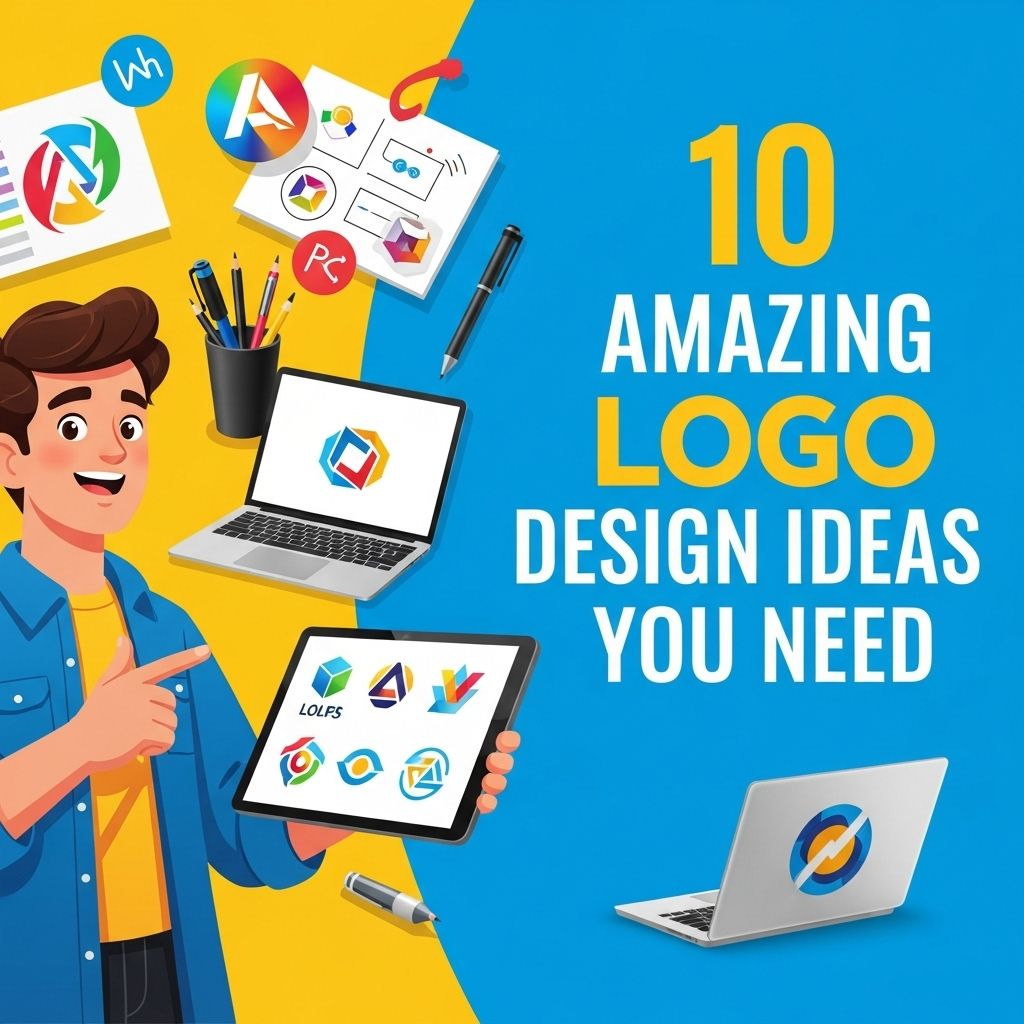
In today’s visually driven world, a logo serves as the face of a brand, encapsulating its identity and values in a single emblematic design. A striking logo can set a business apart from its competitors and create lasting impressions in the minds of consumers. With the increasing focus on branding in the digital age, understanding innovative logo design techniques can be a game-changer for startups and established enterprises alike. In this article, we will explore ten amazing logo design ideas that can inspire creativity and enhance brand recognition.
When it comes to creating a striking brand identity, a well-designed logo is crucial. In this article, we’ll explore 10 amazing logo design ideas that can inspire your next project and elevate your brand’s visual presence. For more unique logo ideas, check out unique logo ideas.
Table of Contents
1. Minimalist Logos
Less is often more, especially in logo design. Minimalist logos strip down elements to their essentials, creating a clean and modern aesthetic. These logos are easily recognizable and versatile across various media. Consider using:
- Simple geometric shapes
- Monochrome color schemes
- Negative space techniques
Examples of Minimalist Logos
Companies like Apple and Nike exemplify the power of minimalist design. Their logos are instantly recognizable and communicate their brand essence effectively.
2. Typographic Logos
Typographic logos revolve around text and typefaces instead of images. This approach can convey a company’s personality and values through the choice of font style. When creating a typographic logo, consider:
- Choosing custom fonts for uniqueness
- Exploring font pairings for added depth
- Incorporating hand-drawn elements
Case Study
Brands like Coca-Cola and Google showcase how typographic logos can be both iconic and timeless.
3. Playful Designs
Embracing a playful design can engage audiences, especially in industries targeting younger demographics. Using vibrant colors and whimsical graphics can create a friendly, approachable brand image. Key aspects include:
- Bright, engaging color palettes
- Fun and quirky illustrations
- Dynamic layouts
Impactful Examples
Brands like Fanta and Mailchimp utilize playful designs to connect with their audience emotionally.
4. Emblem Logos
Emblem logos combine text with symbols, often encased within a shape. This style is prevalent in sports teams and institutions, as it conveys tradition and establishment. Components to focus on include:
- Complex illustrations
- Rich color schemes
- Bold fonts
Notable Emblem Logos
Harley-Davidson and Starbucks utilize emblem logos to create a sense of heritage and brand loyalty.
5. Logo Variations
A strong brand identity often includes various logo variations for different applications. These can include:
- Horizontal and vertical versions
- Responsive logos for mobile
- Icon versions for social media
Benefits of Logo Variations
Having multiple logo variations ensures consistency across platforms while adapting to different formats effectively.
6. Monograms and Lettermarks
For brands with longer names, a monogram or lettermark can provide a stylish and memorable solution. By focusing on initials, these logos can maintain brand recognition while simplifying the design. Key considerations include:
- Choosing memorable initials
- Exploring unique arrangements
- Incorporating brand colors
Successful Monograms
Brands like Louis Vuitton and HP successfully use monograms to create iconic representations of their identities.
7. Color Psychology
Colors evoke emotions and convey messages, making the selection of colors essential in logo design. Different colors can trigger various feelings and associations. For instance:
| Color | Emotion | Brands That Use It |
|---|---|---|
| Red | Energy, Passion | Coca-Cola, YouTube |
| Blue | Trust, Reliability | Facebook, Twitter |
| Green | Growth, Freshness | Starbucks, Whole Foods |
Choosing the Right Colors
When designing a logo, consider the brand’s personality and the emotions you want to evoke in your audience.
8. Abstract Shapes
Using abstract shapes can help create distinctive logos that stand out. These designs often rely on symbolism, conveying complex ideas through simple forms. Key elements to explore include:
- Geometric patterns
- Flowing lines that suggest movement
- Unique color combinations
Brands Utilizing Abstract Shapes
Brands like Adidas and Airbnb leverage abstract shapes to maintain modernity and creativity in their logos.
9. Vintage and Retro Styles
In a world of fast fashion and technology, vintage and retro logos provide a sense of nostalgia and authenticity. To design a vintage logo, consider:
- Using retro color palettes
- Incorporating retro fonts and typography
- Adding textures or distressed effects
Examples of Vintage Logos
Companies like Levi’s and Coca-Cola have successfully integrated vintage aesthetics into their branding.
10. Dynamic Logos
Dynamic logos adapt their forms based on context or usage. They can change colors, shapes, or arrangements, making them highly versatile. Companies can consider:
- Creating a variable logo system
- Designing animations for digital platforms
- Incorporating seasonal variations
Brands with Dynamic Logos
Google and BBC are prime examples of brands that have embraced the concept of dynamic logos, enhancing engagement with their audience.
In conclusion, the possibilities for innovative logo design are endless. Whether you choose to adopt minimalist elements, playful designs, or dynamic adaptations, the key is to ensure that your logo aligns with your brand identity and resonates with your target audience. By leveraging these ten amazing logo design ideas, you can create a memorable brand emblem that stands the test of time.
FAQ
What are some popular logo design trends for 2023?
Some popular logo design trends for 2023 include minimalism, geometric shapes, vibrant colors, and responsive logos that adapt to different devices.
How can I create a memorable logo for my brand?
To create a memorable logo, focus on simplicity, ensure it’s versatile, choose colors that reflect your brand identity, and incorporate unique design elements.
What tools can I use to design a logo on my own?
You can use tools like Adobe Illustrator, Canva, LogoMaker, and Affinity Designer to create a logo on your own.
Should I hire a professional designer for my logo?
If you want a high-quality and unique logo that effectively represents your brand, hiring a professional designer is often the best choice.
What are the key elements of a successful logo?
Key elements of a successful logo include simplicity, relevance, versatility, timelessness, and appropriateness for the target audience.
How do I choose the right colors for my logo?
Choose colors that align with your brand’s personality and values, consider color psychology, and ensure the colors work well together for visual appeal.