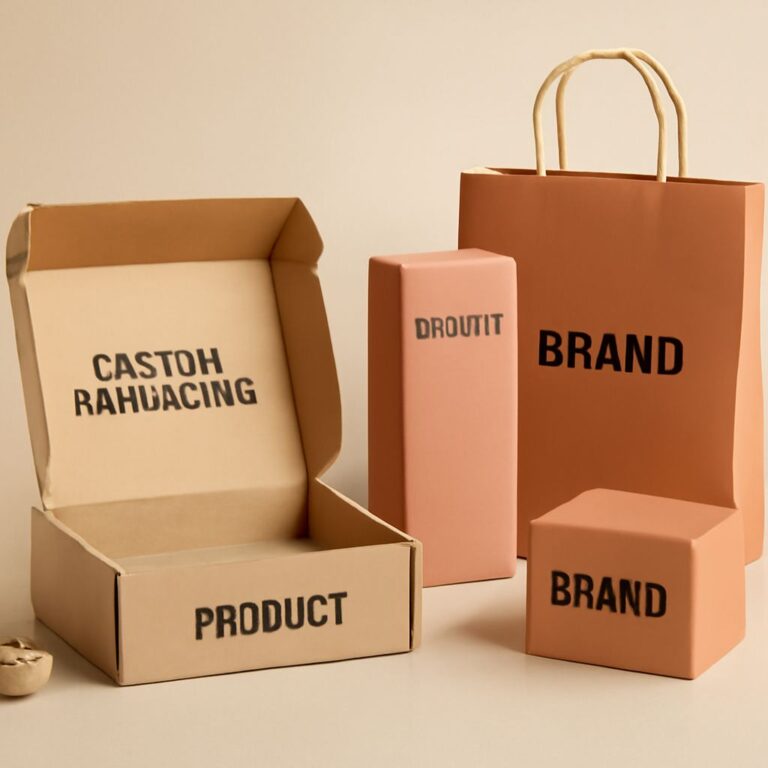
In the visually driven world of branding, aesthetics play a pivotal role in how businesses communicate their values and connect with audiences. A strong aesthetic can make a brand memorable, differentiate it from competitors, and foster a loyal customer base. This article explores five essential tools that can elevate your branding efforts to ensure aesthetic success.
Table of Contents
Understanding Aesthetic Branding
Aesthetic branding goes beyond mere logos and color schemes; it encompasses the overall sensory experience a brand offers. This approach aligns a brand’s visual identity with its mission and values, creating a cohesive narrative that resonates with target audiences.
The Importance of Aesthetic Branding
- First Impressions Matter: A well-designed brand image can grab attention instantly, making a positive first impression.
- Consistency is Key: Consistent use of colors, fonts, and imagery helps to reinforce brand identity.
- Emotional Connection: A coherent aesthetic can evoke emotions, making customers feel more connected to the brand.
Top 5 Tools for Aesthetic Branding
1. Adobe Creative Suite
Adobe Creative Suite is a comprehensive set of graphic design, video editing, and web development applications that empower creatives to produce stunning visuals.
Features:
- Photo editing with Photoshop
- Vector graphics with Illustrator
- Video production with Premiere Pro
With Adobe’s tools, designers can create custom graphics tailored to their brand’s aesthetic, ensuring uniqueness and professionalism.
2. Canva
Canva is an intuitive design platform that enables users to create visually appealing graphics quickly. It’s particularly useful for non-designers who need to produce high-quality content.
Features:
- Drag-and-drop interface
- Wide variety of templates
- Collaboration tools for teams
Canva’s extensive library of fonts, images, and icons allows brands to maintain aesthetic consistency while streamlining the design process.
3. Moodboard Creating Tools
Moodboards are a fundamental tool for visualizing a brand’s aesthetic direction. Platforms like Milanote and Pinterest can help in curating inspiration and guiding design choices.
Benefits of Using Moodboards:
- Visualize color schemes and styles
- Gather inspiration from various sources
- Facilitate collaboration among team members
By utilizing moodboards, brands can stay aligned with their aesthetic vision throughout the design process.
4. Brand Guidelines Software
Creating and maintaining brand consistency is crucial for aesthetic branding. Tools such as Frontify or Brandfolder allow brands to document and share their brand guidelines effectively.
Key Features:
- Centralized brand assets
- Version control for brand materials
- Accessibility for team members and external partners
With comprehensive brand guidelines, teams can ensure that every piece of content reflects the desired aesthetic.
5. Social Media Management Tools
Platforms like Buffer or Hootsuite not only assist with scheduling posts but also offer analytics to measure engagement. Analyzing these metrics can help brands refine their aesthetic approach over time.
Benefits of Social Media Tools:
- Visual planning of posts to maintain aesthetic integrity
- Audience insights to tailor content
- Scheduling features for consistent branding
Implementing Aesthetic Branding
Once you’ve chosen your tools, it’s vital to implement aesthetic branding strategically. Here are some steps to consider:
1. Define Your Brand’s Aesthetic
Start by answering key questions about your brand:
- What values do you want to communicate?
- Who is your target audience?
- What emotions do you want to evoke?
2. Create a Cohesive Visual Identity
Utilize your tools to create a cohesive visual identity:
- Select brand colors that reflect your values.
- Choose fonts that align with your brand personality.
- Develop a logo that encapsulates your mission.
3. Consistently Apply Your Brand Aesthetic
Ensure that every piece of content—be it social media posts, website elements, or promotional materials—reflects your cohesive visual identity. Consistency builds recognition and trust.
4. Monitor and Adapt
Use analytics tools to track engagement and assess the effectiveness of your branding efforts. Be open to adjustments based on feedback and changing trends in aesthetics.
Conclusion
Aesthetic branding is an ongoing process that requires the right tools and strategies. By leveraging platforms like Adobe Creative Suite, Canva, and moodboard creators, businesses can create a compelling and cohesive brand image. With a clear aesthetic direction, brands can not only attract attention but also foster emotional connections with their audiences, leading to long-term success.
FAQ
What are the top tools for aesthetic branding?
The top tools for aesthetic branding include Canva for design, Adobe Creative Suite for advanced graphics, Unsplash for high-quality images, Hootsuite for social media management, and Shopify for e-commerce branding.
How can Canva help with aesthetic branding?
Canva provides user-friendly templates and design tools that allow users to create visually appealing graphics, social media posts, and marketing materials that enhance their brand’s aesthetic.
Why is Adobe Creative Suite essential for branding?
Adobe Creative Suite offers professional-grade tools like Photoshop and Illustrator, enabling brands to create custom graphics and unique visual elements that align with their branding strategy.
What role does Unsplash play in aesthetic branding?
Unsplash offers a vast library of high-resolution, royalty-free images that can be used to enhance a brand’s visual content, making it more attractive and engaging.
How can Hootsuite improve my brand’s aesthetic on social media?
Hootsuite allows brands to schedule posts, analyze performance, and maintain a consistent aesthetic across all social media platforms, which is crucial for building a cohesive brand image.
Is Shopify a good platform for aesthetic branding?
Yes, Shopify provides customizable templates and design options that help businesses create visually appealing online stores, enhancing the overall aesthetic and user experience.