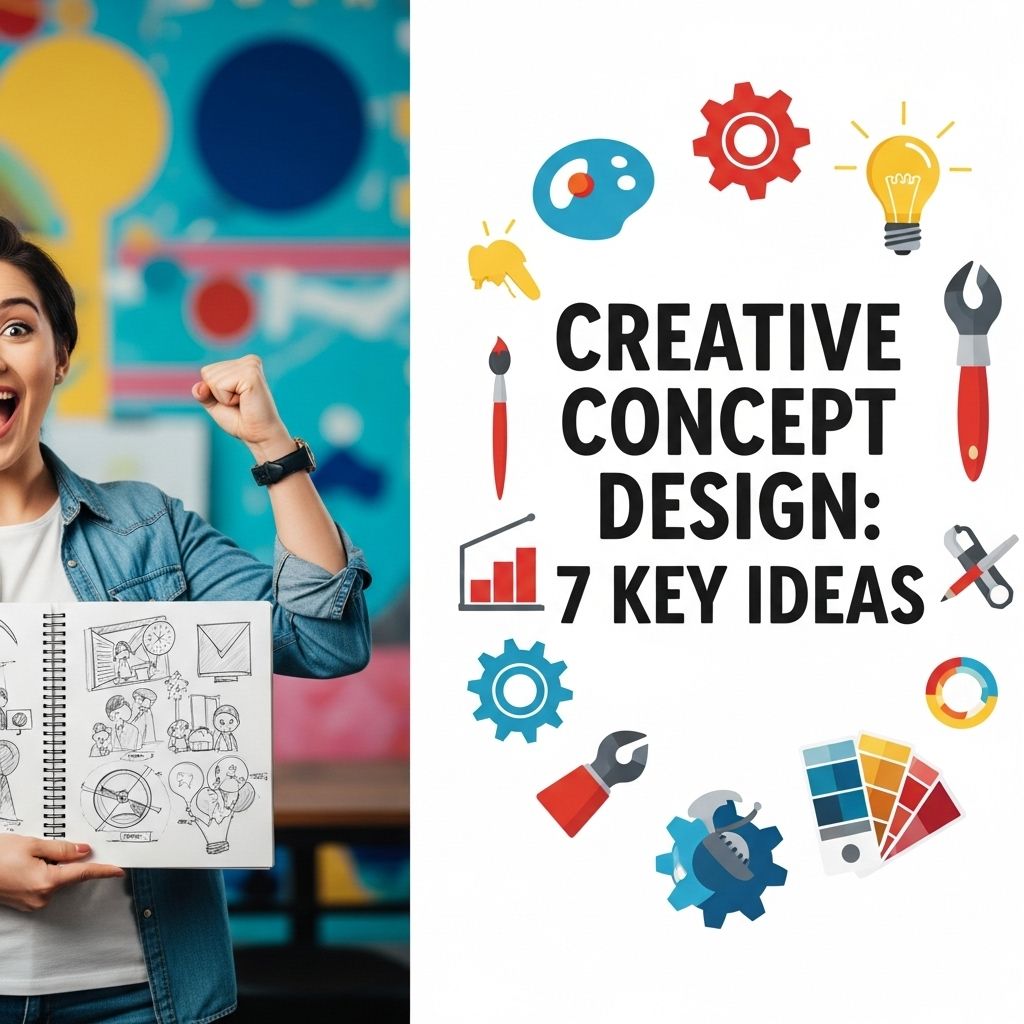
In the constantly evolving world of technology and design, the importance of creative concept design cannot be overstated. It serves as the bedrock for innovative products, inspiring marketing campaigns, and effective user experiences. Creative concept design integrates imagination with practicality, leading to solutions that are not only visually appealing but also meet user needs effectively. Here, we will explore seven key ideas that can shape and enhance your creative concept design process.
Creative concept design is an essential process for bringing innovative ideas to life, and understanding its foundational elements can make all the difference. This article explores 7 key ideas to enhance your approach, offering valuable insights on techniques and considerations. For practical application, check out resources like how to create bag mockups that can help visualize your designs effectively.
Table of Contents
1. Understanding User Needs
The foundation of any successful design lies in a deep understanding of user needs. This requires thorough research and analysis. Here are some methods to gain insights into user needs:
- User Interviews: Engage with potential users to gather qualitative data about their experiences and expectations.
- Surveys: Use online surveys to collect quantitative data from a broader audience.
- Personas: Create user personas that represent different segments of your target audience to guide your design decisions.
Empathy Mapping
Empathy mapping can further enhance your understanding of user needs. This technique helps visualize users’ thoughts, feelings, pain points, and goals. By mapping out these aspects, designers can create more tailored solutions.
2. Ideation Techniques
Once you have a clear understanding of user needs, the next step is to generate ideas. Ideation techniques can help teams brainstorm and come up with innovative concepts. Here are some popular methods:
- Brainstorming: Encourage all team members to share their ideas without judgment.
- Mind Mapping: Use diagrams to visually represent connections between ideas.
- SCAMPER: Modify existing ideas by looking at them through the lenses of Substitute, Combine, Adapt, Modify, Put to another use, Eliminate, and Rearrange.
3. Prototyping
Prototyping is a critical step in the design process. It allows designers to bring their ideas to life, create tangible representations of concepts, and test them in real-world contexts. The types of prototypes include:
| Prototype Type | Description | Purpose |
|---|---|---|
| Low-Fidelity | Basic sketches or wireframes | Focus on layout and functionality |
| High-Fidelity | Detailed interactive models | Simulate the actual user experience |
| Functional | Working model of the final product | Test usability and performance |
Rapid Prototyping Tools
Utilizing tools such as Figma, Sketch, or Adobe XD can streamline the prototyping process, allowing designers to create and iterate quickly.
4. User Testing
User testing is essential to validate design concepts. It provides feedback on the usability and effectiveness of prototypes. Consider the following approaches:
- Usability Testing: Observe users as they interact with your prototype, noting any difficulties they encounter.
- A/B Testing: Compare two versions of a design to see which one performs better.
- Feedback Surveys: After testing, gather user feedback through surveys to understand their experience.
Analyzing Results
Once testing is complete, analyze the results systematically. Look for patterns in user behavior and feedback to inform your next design iterations.
5. Iteration and Refinement
Design is inherently iterative. This means it’s essential to assess the feedback received from user testing and refine the designs accordingly. Here’s how to implement effective iteration:
- Prioritize Feedback: Identify the most critical issues to address based on user impact.
- Implement Changes: Make adjustments to the design and improve functionality.
- Retest: Conduct further testing to ensure that changes have positively impacted the user experience.
6. Collaboration and Teamwork
The creative concept design process benefits greatly from collaboration. Diverse perspectives lead to richer ideas and innovative solutions. To foster collaboration:
- Encourage Open Communication: Regularly share ideas and feedback among team members.
- Utilize Collaboration Tools: Tools like Slack, Trello, or Asana can help streamline communication and project management.
- Cross-Disciplinary Teams: Include members from different disciplines (e.g., design, engineering, marketing) to foster creativity.
7. Staying Current with Trends
The design landscape is constantly shifting, influenced by technology, culture, and consumer behavior. Staying current with trends can inspire fresh ideas and keep your designs relevant. Here are some ways to remain informed:
- Follow Design Blogs: Subscribe to blogs like Smashing Magazine, A List Apart, or Creative Bloq.
- Join Design Communities: Participate in forums and social media groups focused on design.
- Attend Conferences and Workshops: Engage with the design community at events to learn about new tools and techniques.
In conclusion, creative concept design is a multifaceted process that requires a deep understanding of user needs, effective ideation, prototyping, user testing, iteration, collaboration, and remaining up-to-date with industry trends. By incorporating these seven key ideas into your design practice, you can significantly enhance your ability to create innovative and successful concepts that resonate with users and stand out in the market.
FAQ
What is creative concept design?
Creative concept design is the process of developing innovative ideas and visualizing them to create unique solutions for products, services, or experiences.
What are the key components of a successful creative concept design?
The key components include originality, clarity, relevance, feasibility, visual appeal, and adaptability to the target audience.
How can brainstorming enhance creative concept design?
Brainstorming encourages the free flow of ideas and collaboration, helping teams generate diverse concepts and explore various possibilities.
Why is research important in creative concept design?
Research is crucial as it provides insights into market trends, user needs, and competitor strategies, ensuring the design is relevant and effective.
What role does feedback play in the creative concept design process?
Feedback helps refine ideas by incorporating different perspectives, identifying potential issues, and enhancing the overall quality of the design.
How can one measure the success of a creative concept design?
Success can be measured through user engagement, market reception, sales performance, and the ability to solve the intended problem effectively.