Digital marketing is an ever-evolving field, and for beginners, the flood of tools available can be overwhelming. However, having the right tools can significantly boost productivity and effectiveness. This article will explore the five essential tools every budding digital marketer should consider in their toolkit. From analytics to content creation, understanding how to leverage these tools can set the foundation for a successful career in digital marketing.
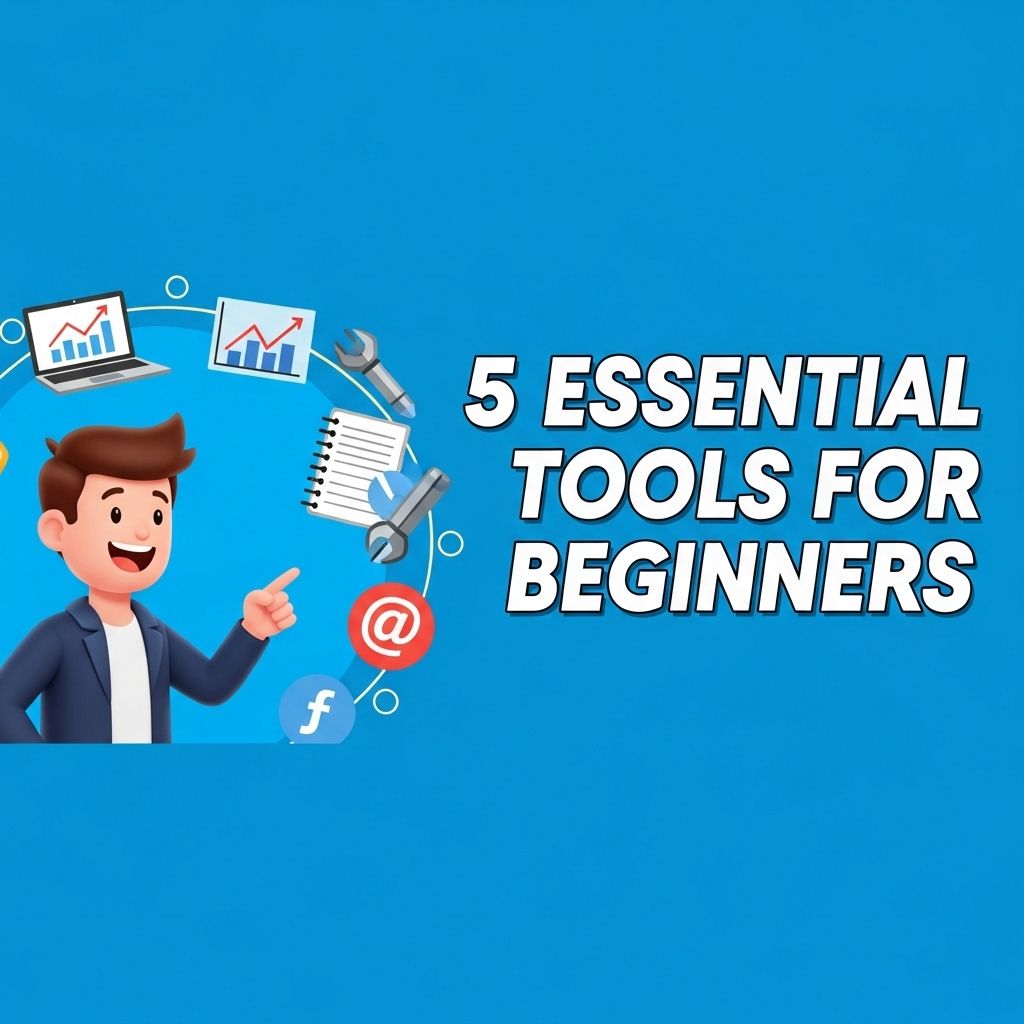
For those just starting in digital marketing, having the right tools can make a significant difference in effectiveness and efficiency. Here are five essential tools to help beginners navigate the landscape, from social media management to analytics. Plus, if you’re looking for inspiration for your promotional materials, check out these creative flyer ideas.
Table of Contents
1. Google Analytics
Google Analytics is a powerful tool for tracking and analyzing website traffic. It provides insights into user behavior, conversion rates, and much more. Here are some key features:
- Real-time data: Monitor activity on your site as it happens.
- User demographics: Gain insights into the age, gender, and interests of your audience.
- Traffic sources: Understand where your traffic is coming from – organic search, paid ads, or social media.
For beginners, Google Analytics may seem daunting, but here are simple steps to get started:
- Create a Google account if you don’t have one.
- Set up a Google Analytics account and link it to your website.
- Install the tracking code provided by Google on your site.
- Explore the dashboard and familiarize yourself with the various reports available.
2. SEMrush
SEMrush is an all-in-one marketing toolkit that is particularly valuable for SEO and PPC campaigns. Its comprehensive features include keyword research, competitive analysis, and site auditing:
- Keyword Magic Tool: Discover thousands of keyword ideas for content creation.
- Domain vs. Domain: Analyze the competition by comparing your website to others.
- SEO Writing Assistant: Get real-time writing recommendations based on SEO best practices.
To make the most of SEMrush:
- Utilize the Keyword Magic Tool to find optimal keywords for your niche.
- Regularly conduct site audits to improve your site’s SEO health.
- Monitor your backlinks and compare them with competitors.
3. Canva
Visual content is essential in digital marketing. Canva is a user-friendly tool that allows anyone to create stunning graphics, social media posts, and presentations without needing advanced design skills. Key benefits include:
- Templates: Choose from thousands of customizable templates.
- Drag-and-drop interface: Easily add elements like text, images, and icons.
- Collaboration tools: Work with team members in real-time.
To create effective visuals using Canva:
- Start by selecting the type of content you want to create, such as an Instagram post or a flyer.
- Choose a template that fits your brand’s style.
- Incorporate your branding elements like logos and colors.
4. Mailchimp
Email marketing remains a crucial aspect of digital marketing. Mailchimp is a robust email marketing platform that helps you manage and communicate with your audience. Features include:
- Email automation: Set up automated email campaigns based on user behavior.
- Segmentation: Target specific groups within your audience for tailored messages.
- Analytics: Track open rates, click-through rates, and campaign performance.
To effectively use Mailchimp:
- Create segmented lists to ensure your emails reach the right audience.
- Utilize A/B testing to optimize your email subject lines and content.
- Analyze performance metrics post-campaign to improve future efforts.
5. Hootsuite
Managing multiple social media accounts can be time-consuming. Hootsuite is a social media management tool that enables users to schedule posts, engage with their audience, and analyze performance across platforms like Facebook, Twitter, and Instagram:
- Scheduling: Plan and schedule your posts in advance to maintain consistency.
- Analytics: Measure the performance of your social media campaigns.
- Listening: Monitor social conversations and brand mentions.
To maximize Hootsuite’s effectiveness:
- Integrate all your social media accounts into one dashboard.
- Set up streams to monitor engagement and brand mentions in real-time.
- Use the analytics feature to adjust your strategy as needed.
Conclusion
As a beginner in digital marketing, leveraging the right tools can significantly impact your learning curve and success. Google Analytics, SEMrush, Canva, Mailchimp, and Hootsuite provide a robust foundation for managing your digital marketing efforts efficiently. By understanding how to utilize these tools, you can enhance your skills and ultimately drive better results in your marketing campaigns. Start exploring these essential tools today, and watch how they transform your approach to digital marketing.
FAQ
What are the best tools for beginners in digital marketing?
Some of the best tools for beginners include Google Analytics, Mailchimp, Hootsuite, Canva, and SEMrush.
How can Google Analytics help beginners in digital marketing?
Google Analytics provides insights into website traffic and user behavior, helping beginners understand their audience and optimize their marketing strategies.
Is Mailchimp suitable for beginners?
Yes, Mailchimp is user-friendly and offers features for email marketing, making it an excellent choice for beginners.
What is Hootsuite used for in digital marketing?
Hootsuite is a social media management tool that allows beginners to schedule posts, track engagement, and manage multiple accounts from one dashboard.
Can I create graphics without design skills using Canva?
Absolutely! Canva offers an intuitive interface with templates that enable beginners to create professional-looking graphics easily.
How does SEMrush benefit those new to digital marketing?
SEMrush provides tools for keyword research, SEO analysis, and competitive insights, helping beginners develop effective digital marketing strategies.