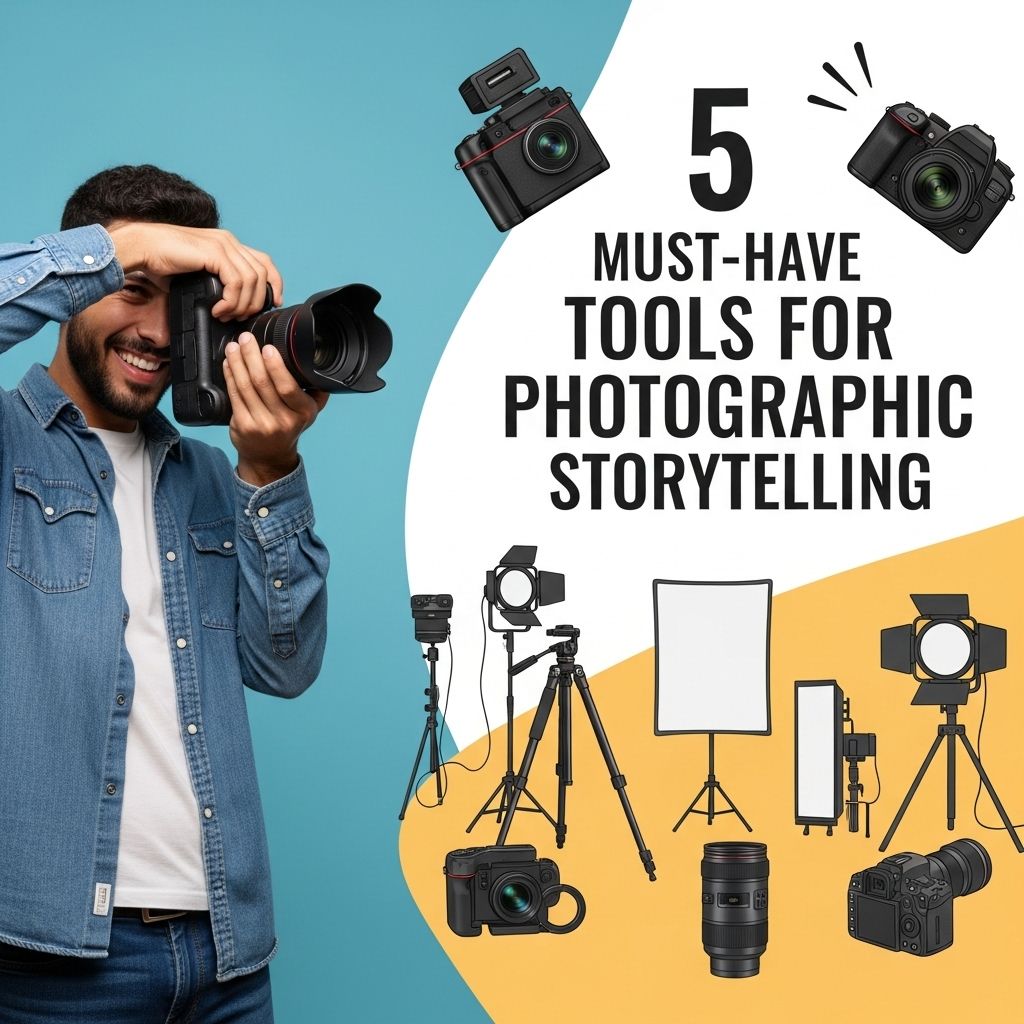
In the world of photography, storytelling transcends the mere act of capturing images; it delves into the art of weaving a narrative through visuals. Photographic storytelling is a powerful medium that can evoke emotions, provoke thoughts, and inspire action. To master this craft, certain tools can enhance the process, making it easier to conceptualize, capture, and present stories through images. Here, we explore essential tools every photographer should have in their arsenal for effective storytelling.
In the realm of photography, storytelling is a powerful medium that connects audiences with emotions and experiences. To enhance your visual narratives, having the right tools at your disposal is essential. From composition techniques to bag mockup visualization tips, these five essential tools will elevate your photographic storytelling.
Table of Contents
1. Camera System
The foundation of any photographic storytelling endeavor is a reliable camera system. Choosing the right camera can significantly influence the narrative you want to convey. Here are some factors to consider:
- Sensor Size: Full-frame sensors offer more detail and better performance in low light, while crop sensors are typically more affordable and lightweight.
- Lens Flexibility: A versatile lens selection allows you to adapt to various shooting conditions and perspectives.
- Manual Controls: Having control over settings like aperture and shutter speed enables you to create the mood and depth of field that best tells your story.
Recommended Camera Systems
| Camera Model | Sensor Type | Key Feature |
|---|---|---|
| Canon EOS R5 | Full-frame | High-resolution and fast autofocus |
| Fujifilm X-T4 | Crop sensor | Film simulation modes |
| Nikon Z6 II | Full-frame | Excellent low-light performance |
2. Editing Software
Post-processing is essential in photographic storytelling. The right editing software can help you enhance your images, adjust colors, and create a cohesive look that complements your narrative. Here are a few top choices:
- Adobe Lightroom: Ideal for organizing and editing large numbers of photos efficiently.
- Adobe Photoshop: Offers advanced editing features for detailed retouching and manipulation.
- Capture One: Known for its color grading capabilities and tethering options for studio photography.
Choosing the Right Software
- Assess your editing needs (batch editing, retouching, etc.).
- Evaluate your budget and whether you prefer subscription-based or one-time purchase models.
- Consider user interface and ease of use based on your skill level.
3. Storyboarding Tools
Before you start shooting, organizing your thoughts and ideas is crucial. Storyboarding tools can help visualize your narrative and plan out your shots. Here are some effective tools:
- Celtx: A comprehensive tool for writing scripts and creating storyboards.
- Storyboarder: A free and open-source tool designed for quick sketching of your story.
- Canva: While primarily a graphic design platform, Canva’s templates can be used to create visually appealing storyboards.
How to Create an Effective Storyboard
- Outline your main message or theme.
- Sketch or describe each shot, noting composition, lighting, and settings.
- Plan the sequence of shots to ensure a logical flow in your narrative.
4. Lighting Equipment
Lighting plays a pivotal role in photography. The right lighting tools can dramatically change the mood of your images and enhance the storytelling effect. Here are some essential lighting tools:
- Speedlights: Portable and versatile, speedlights are great for on-the-go shoots.
- Studio Strobes: Powerful lights that are perfect for controlled environments.
- Reflectors and Diffusers: These tools can help manipulate natural light and soften shadows.
Effective Lighting Techniques
| Technique | Description |
|---|---|
| Backlighting | Creates silhouettes and emphasizes subjects against a bright backdrop. |
| Golden Hour Shooting | Utilizes soft, warm light during sunrise or sunset for natural beauty. |
| High Key Lighting | Bright and even lighting that reduces shadows and creates a light mood. |
5. Presentation Platforms
Once your story is captured and edited, the final step is sharing it with your audience. Choosing the right platform is crucial in how your story is received. Consider the following options:
- Social Media: Platforms like Instagram and Facebook can help reach a wide audience quickly.
- Photo Books: Creating a physical photo book allows for a tactile experience that can enhance storytelling.
- Online Portfolios: Websites like Squarespace or WordPress allow you to curate your work and present your stories effectively.
Strategies for Effective Presentation
- Tailor your content to the platform (e.g., shorter captions for social media).
- Create engaging narratives that draw viewers into your story.
- Use visual consistency in style and theme across your presentation.
Conclusion
Photographic storytelling is an art form that requires more than just a camera; it involves a combination of creativity, technical skills, and the right tools. By utilizing a strong camera system, editing software, storyboarding tools, proper lighting equipment, and effective presentation platforms, you can elevate your storytelling capabilities. Remember, each element contributes to the narrative you wish to convey—so invest in the tools that resonate with your vision and begin capturing stories that inspire and evoke emotion.
FAQ
What are the essential tools for photographic storytelling?
The essential tools include a high-quality camera, versatile lenses, a sturdy tripod, editing software, and a reliable external hard drive for storage.
How does a tripod enhance photographic storytelling?
A tripod stabilizes the camera, allowing for sharper images and longer exposures, which is crucial for capturing dynamic scenes and storytelling.
Why is editing software important for photographers?
Editing software allows photographers to enhance their images, correct colors, and tell a more compelling story through visual adjustments.
What type of camera is best for storytelling photography?
Both DSLRs and mirrorless cameras are excellent choices, as they offer flexibility, high image quality, and interchangeable lenses for various storytelling scenarios.
How can versatile lenses impact photographic storytelling?
Versatile lenses, such as zoom lenses or prime lenses with wide apertures, provide creative options for framing and composition, allowing photographers to capture diverse narratives.
What role does an external hard drive play in photography?
An external hard drive is crucial for backing up and storing large files, ensuring that your photographic stories are safe and accessible for future use.