In today’s competitive job market, having a standout career portfolio is essential for showcasing your skills, accomplishments, and personal brand. A well-curated portfolio not only highlights your technical expertise but also reflects your creativity and professionalism. Whether you are a seasoned professional or just starting your career, the right portfolio can set you apart. This article explores innovative ideas for building a compelling career portfolio that resonates with potential employers and clients.
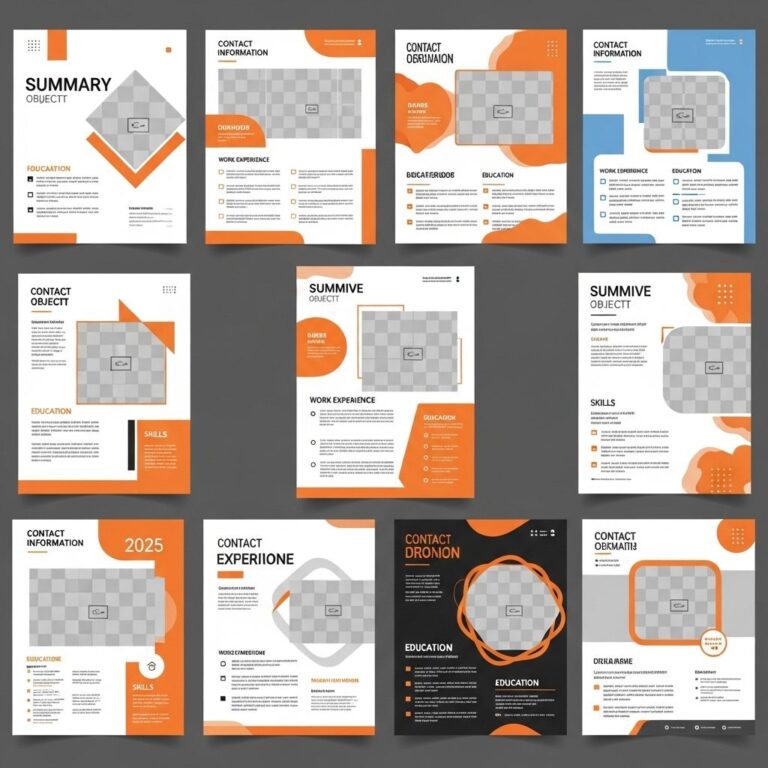
Building an impressive career portfolio is crucial for showcasing your skills and experiences effectively. To stand out, focus on organizing your work clearly, highlighting key projects, and incorporating visual elements that reflect your unique style. For enhanced presentation, consider using tailored visuals; you can access unique design templates to elevate your portfolio’s appeal.
Table of Contents
Understanding the Purpose of a Career Portfolio
A career portfolio is more than just a collection of your work; it’s a strategic tool that can help you:
- Demonstrate your skills and experience
- Showcase your best work
- Reflect your personal brand and narrative
- Tailor your presentation to specific job opportunities
Key Components of an Effective Portfolio
Your portfolio should contain several essential components to give a comprehensive overview of your professional journey. Here are the elements to consider:
1. Personal Branding Statement
Your personal branding statement is a concise summary of who you are and what you stand for. It should encapsulate your professional identity and unique value proposition. Include this statement at the beginning of your portfolio to set the tone.
2. Resumé
Include an updated version of your resumé, highlighting your education, work experience, skills, and certifications. Consider using a creative layout that aligns with your industry.
3. Work Samples
Curate a selection of your best work samples that showcase your range and abilities. Depending on your field, this might include:
- Design projects (graphics, websites)
- Writing samples (articles, blog posts, reports)
- Code examples (GitHub repositories)
- Presentations (slideshows, videos)
- Case studies (problem-solving examples)
4. Testimonials and References
Incorporate testimonials from colleagues, clients, or supervisors that speak to your skills and character. Recommendations add credibility and personal touch to your portfolio.
5. Professional Development
Highlight any relevant courses, certifications, workshops, or conferences you have attended. This demonstrates your commitment to ongoing learning and industry engagement.
6. Projects and Volunteer Work
Showcase any relevant projects or volunteer work that illustrate your skills and dedication. This can include:
- Community service initiatives
- Freelance projects
- Internships
- Collaborations with peers
Choosing the Right Format for Your Portfolio
Deciding on the format of your portfolio is crucial. Depending on your industry, here are some popular options:
| Format | Description | Best For |
|---|---|---|
| Physical Portfolio | A printed collection of your work | Artists, Designers, Architects |
| Digital Portfolio | A website or PDF showcasing your work | Writers, Developers, Marketers |
| Social Media Portfolio | Utilizing platforms like LinkedIn, Instagram | Creatives, Influencers |
| Video Portfolio | A video presentation of your work and skills | Public Speakers, Coaches |
Tips for Designing Your Portfolio
Design plays a crucial role in how your portfolio is perceived. Here are some design tips to enhance its visual appeal:
- Keep it clean and organized: Use headings, subheadings, and bullet points for easy navigation.
- Use high-quality visuals: Ensure all images and graphics are of high resolution.
- Maintain consistency: Use a consistent color scheme and typography that aligns with your personal brand.
- Incorporate interactivity: If digital, include links, animations, or videos to engage viewers.
Customizing Your Portfolio for Specific Opportunities
Tailoring your portfolio to align with specific job applications can significantly boost your chances of getting noticed. Consider these strategies:
1. Research the Company
Understand the company’s culture, values, and needs. Customize your portfolio to reflect how your skills and experiences align with their goals.
2. Highlight Relevant Work
Select work samples that are most relevant to the position. Quality over quantity is key; focus on your best work that demonstrates applicable skills.
3. Update Regularly
Continually update your portfolio to reflect your latest work and accomplishments. An up-to-date portfolio showcases your growth and adaptability.
Utilizing Technology for Your Portfolio
Leverage technology to enhance your portfolio. Here are some tools and platforms you can use:
- Website Builders: Use platforms like Wix, Squarespace, or WordPress to create a professional-looking digital portfolio.
- Graphic Design Tools: Utilize tools like Canva or Adobe Creative Suite for designing visuals and layouts.
- Video Editing Software: Incorporate video presentations using tools like Adobe Premiere Pro or iMovie.
- Social Media Platforms: Use LinkedIn to showcase your professional achievements and work samples.
Conclusion
A well-constructed career portfolio is an invaluable asset in today’s job market. By incorporating a variety of elements, choosing the right format, and customizing it for specific opportunities, you can create a powerful tool that effectively showcases your talents and experiences. Remember to regularly update and refine your portfolio to reflect your ongoing professional journey. With these tips and strategies, you’re well on your way to making a lasting impression with your career portfolio.
FAQ
What is a career portfolio?
A career portfolio is a collection of materials that showcases your skills, experiences, and accomplishments, helping you present your professional identity to potential employers.
What should I include in my career portfolio?
Your career portfolio should include a resume, cover letter, work samples, certifications, reference letters, and any relevant projects or case studies that demonstrate your expertise.
How can I make my career portfolio stand out?
To make your career portfolio stand out, personalize it with a unique design, include a variety of work samples, and tailor the content to align with the specific job or industry you are targeting.
Should I have a digital version of my career portfolio?
Yes, having a digital version of your career portfolio is essential in today’s job market, as it allows for easy sharing and accessibility, especially for remote job applications.
How often should I update my career portfolio?
You should update your career portfolio regularly, ideally every 6 to 12 months, or whenever you complete new projects, acquire new skills, or achieve significant accomplishments.
Can I use my career portfolio in interviews?
Absolutely! Your career portfolio can serve as a visual aid during interviews, enabling you to highlight your achievements and provide tangible evidence of your skills.