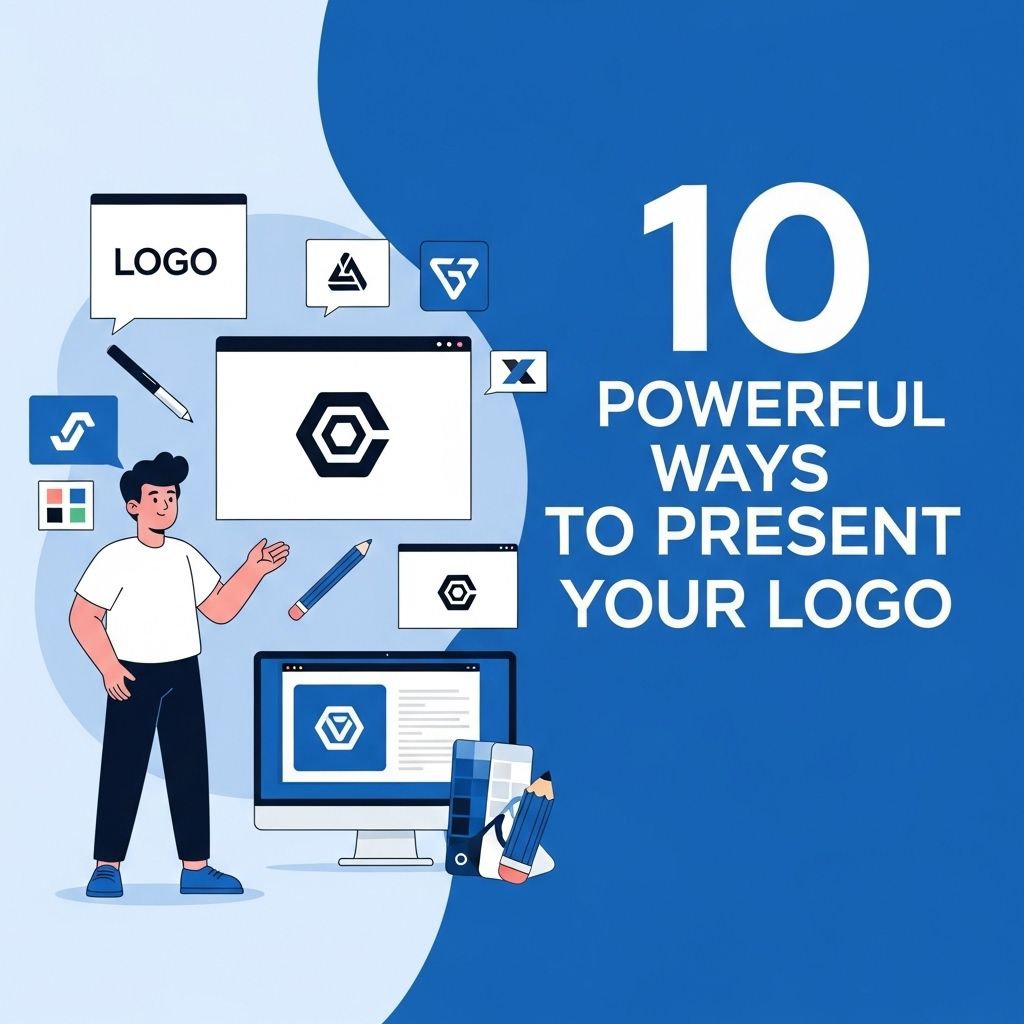
In the digital age, a logo is more than just a symbol of your brand; it is the embodiment of your identity. Its presentation can significantly impact how it is perceived by your audience. Therefore, how you showcase your logo can make or break your brand identity. Whether you’re preparing for a marketing campaign, a product launch, or simply refreshing your business image, understanding powerful presentation strategies is crucial. This article delves into ten compelling ways to present your logo effectively, ensuring that it resonates with your audience and strengthens your brand’s presence.
When it comes to showcasing your brand, the presentation of your logo can make a significant impact. Exploring effective methods for displaying your logo is crucial to ensure it resonates with your audience. For insights on how to elevate your logo’s appeal, check out these best practices for logo mockups.
Table of Contents
1. Utilize Vector Graphics
When presenting your logo, always use vector graphics. Adobe Illustrator and similar software can create logos in vector format, ensuring that your logo remains sharp and clear at any size. This is particularly important for:
- Print materials (business cards, brochures)
- Large format displays (banners, billboards)
- Digital platforms (websites, mobile apps)
Benefits of Vector Graphics
| Benefit | Description |
|---|---|
| Scalability | No loss of quality when resized |
| Editability | Easy to modify design elements |
| File Size | Generally smaller than raster images |
2. Choose the Right Background
The background against which you present your logo can heavily influence its visibility and impact. Consider these points:
Contrast
Ensure that your logo contrasts well with the background. A light logo on a dark background or vice versa can enhance visibility.
Context
Think about the context in which your logo will be viewed. For instance, a logo on a sophisticated black background can convey elegance, while colorful, dynamic backgrounds can suggest creativity and innovation.
3. Incorporate Motion
With the rise of digital media, incorporating motion into your logo presentation can attract attention. Here are ways to do this:
- Animation: Simple animations can breathe life into your logo, making it memorable. Consider a logo reveal animation for videos and presentations.
- Micro-interactions: In UI/UX design, small interactions when users hover or click can create a dynamic experience, reinforcing brand identity.
Examples of Animated Logos
Many well-known brands have successfully utilized animated logos:
- Google’s logo changes color during a search.
- FedEx’s logo shows a hidden arrow that is emphasized through subtle motion.
4. Use Mockups Effectively
Presenting your logo in real-world scenarios through mockups can enhance its appeal. Here are some mockup ideas:
- Business cards being held by a hand
- Shop signage in an urban environment
- Merchandise like T-shirts and mugs
Benefits of Mockups
Mockups provide potential clients or customers with a tangible sense of how your logo might look in actual use, which can lead to greater connection and recognition.
5. Create a Compelling Brand Story
Every logo has a story behind it, and sharing this narrative can deepen the connection with your audience. Consider these elements:
- The inspiration behind the design
- The meaning of colors and shapes used
- How it reflects your brand’s values and mission
Crafting Your Brand Story
Your brand story should evoke emotion and resonate with your audience. Use visuals, infographics, and even short videos to make it more engaging.
6. Leverage Social Media
Social media platforms are excellent for showcasing your logo during campaigns. Here are some strategies:
- Utilize profile pictures and cover photos effectively on platforms like Facebook and Twitter.
- Run logo-centric campaigns, encouraging user-generated content where audiences share their experiences with your brand.
- Engage followers with polls and quizzes that involve your logo, enhancing interactivity.
7. Consistent Usage Across Platforms
Consistency is key in branding. Ensure your logo is used uniformly across all platforms:
- Website
- Social media channels
- Advertising materials
Creating Brand Guidelines
Having a style guide that dictates how your logo should be used is vital. This guide should include:
- Color codes
- Spacing and sizing guidelines
- Usage dos and don’ts
8. Engage in Experiential Marketing
Experiential marketing brings your brand to life. Consider showcasing your logo in live events, trade shows, or pop-up stores. Engage your audience through:
- Interactive displays
- Live demonstrations of your product or services
- Branded giveaways and promotional items
Examples of Successful Experiential Marketing
Brands like Red Bull and Nike have excelled in this area, using live events to create buzz and loyalty around their logos.
9. Collaborate with Influencers
Partnering with influencers can help you reach a broader audience. Here’s how to effectively use this strategy:
- Choose influencers who align with your brand values.
- Provide them with branded content featuring your logo for posts, stories, and videos.
- Encourage authentic sharing and engagement from their followers.
Measuring Impact
Track the performance of influencer campaigns by measuring engagement metrics and audience growth.
10. Optimize for SEO
Finally, don’t forget about search engine optimization (SEO) when presenting your logo online. Here are some tips:
- Use descriptive alt text for your logo image.
- Ensure that your logo is a clickable element leading to your homepage.
- Implement schema markup to help search engines understand the context of your logo.
Conclusion
In conclusion, presenting your logo is a multifaceted process that goes beyond mere aesthetics. By utilizing vector graphics, background choices, motion, mockups, and leveraging social media and influencer collaborations, you can create a powerful and lasting impression. Remember, your logo is the face of your brand—make sure it is presented in a way that captures attention and embodies your values.
FAQ
What are effective ways to showcase my logo?
There are several powerful ways to present your logo, including using mockups, incorporating it into social media graphics, displaying it on merchandise, and utilizing animated presentations.
How can I use mockups to present my logo?
Mockups allow you to visualize your logo in real-world contexts, such as on business cards, billboards, or product packaging, enhancing its appeal.
Why is animation important for logo presentation?
Animated logos can capture attention and convey your brand’s personality, making them memorable and engaging for viewers.
What should I consider when choosing merchandise to display my logo?
Select merchandise that aligns with your brand identity and target audience, ensuring that your logo is presented in a way that resonates with potential customers.
How can social media enhance my logo presentation?
Social media platforms allow for creative and dynamic presentations of your logo, whether through posts, stories, or profile images, helping to boost brand recognition.
What role does color play in logo presentation?
Color affects perception and emotions; using your logo’s color palette consistently across various platforms can strengthen brand identity and recall.