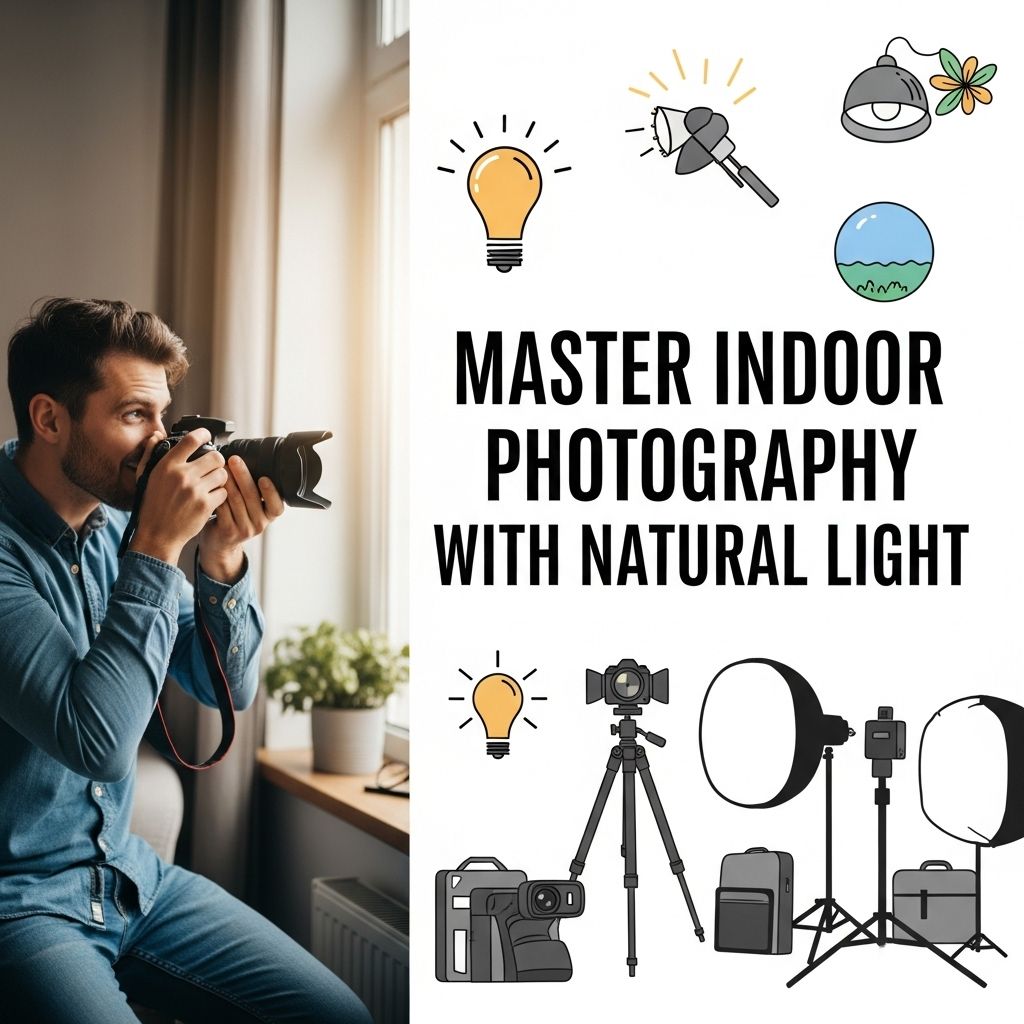
In the world of photography, mastering the art of indoor photography using natural light is a skill that can elevate your images from mediocre to breathtaking. Natural light can create a soft, flattering look that artificial lighting often struggles to achieve. Whether you’re shooting portraits, still life, or interiors, understanding how to harness and manipulate natural light can dramatically improve your indoor photography.
Mastering indoor photography with natural light can transform your images, creating warmth and depth in your compositions. By understanding how to harness sunlight streaming through windows, you can enhance your subjects and achieve stunning results. For those looking to elevate their visual storytelling, exploring tools like best bag mockup designs can provide inspiration and practical applications.
Table of Contents
Understanding Natural Light
Natural light is the illumination provided by the sun, and it varies greatly throughout the day. Here are some primary characteristics of natural light to consider:
- Quality: The quality of light can be hard, soft, or diffused depending on the time of day and weather conditions.
- Direction: The angle of the sunlight can influence the mood of your image.
- Temperature: The color temperature of natural light changes, especially during sunrise and sunset.
The Best Times for Natural Light Photography
The golden hour, shortly after sunrise and before sunset, is often regarded as the best time for photography due to the warm and soft quality of the light. However, it’s essential to understand the different times of day and how they affect your photos:
| Time of Day | Light Quality | Best For |
|---|---|---|
| Morning (6 AM – 9 AM) | Soft and warm | Portraits, Landscapes |
| Noon (11 AM – 3 PM) | Harsh and bright | Documentary, High-Contrast Shots |
| Afternoon (3 PM – 5 PM) | Golden and diffused | Portraits, Editorials |
| Evening (5 PM – 7 PM) | Soft and warm | Commercial, Product Photography |
Finding Natural Light Indoors
Finding the right spot to take advantage of natural light indoors can be as simple as positioning yourself near a window. Here are several tips for locating and utilizing natural light in indoor settings:
Use Windows to Your Advantage
Windows are your best friend when it comes to natural light. Here’s how to make the most of them:
- Observe the direction the window faces (north, south, east, or west) and how that affects the light quality during different times of the day.
- Utilize sheer curtains to diffuse harsh sunlight and create a soft lighting effect.
- Experiment with different angles and distances from the window to find the most flattering light.
Consider Ceiling Height and Room Size
The height of the ceilings and the overall size of the room will impact how light behaves:
- High ceilings often allow for more light to fill the room.
- Smaller rooms may require careful positioning to ensure adequate light reaches your subject.
Manipulating Natural Light
Once you’ve identified where the natural light is coming from, you may want to manipulate it further to achieve the desired effect. Here are some techniques:
Diffusion Techniques
Softening harsh light can be achieved through:
- White Sheets: Hanging a white sheet can diffuse light coming through a window.
- Reflectors: Use white boards or aluminum foil to bounce light onto your subject.
- Diffusers: Utilize professional diffusers to soften direct sunlight.
Creating Shadows
Shadows can add depth and interest to your images:
- Experiment with positioning your subject away from the direct light source to create dynamic shadows.
- Use objects to cast interesting shadows onto your scenes.
Composition Tips for Indoor Photography
After mastering the light, it’s essential to consider composition. Here are some essential tips:
Rule of Thirds
The rule of thirds is a fundamental composition technique:
- Imagine dividing your frame into a 3×3 grid.
- Place your subject along these lines or at their intersections for a balanced composition.
Leading Lines
Utilizing leading lines can direct the viewer’s eye:
- Look for natural lines in your setting, such as the edges of furniture or architectural lines, to lead the eye to your subject.
Framing
Incorporate elements in the foreground or background to frame your subject:
- Use doorways, windows, or furniture to create a frame around your subject.
Post-Processing Natural Light Images
Editing your photos can enhance the natural light effects:
Basic Adjustments
Focus on these key adjustments:
- Exposure: Adjust the exposure to brighten or darken your image.
- Contrast: Increase contrast to create more depth in your images.
- Saturation: Enhance colors without overdoing it to maintain a natural look.
Color Grading
Consider adjusting the color temperature to match the mood:
- Warm tones for a cozy feel.
- Cool tones for a calm and serene atmosphere.
Conclusion
Mastering indoor photography with natural light requires practice and experimentation. By understanding the nuances of light, manipulating it effectively, and applying thoughtful composition techniques, you can create stunning indoor images that capture the essence of your subject. Remember, the best way to improve is to get out there and shoot, so grab your camera and start exploring the beauty of natural light indoors!
FAQ
What is natural light photography?
Natural light photography refers to capturing images using sunlight or ambient light instead of artificial lighting sources.
How can I use natural light for indoor photography?
To use natural light indoors, position your subject near windows or other sources of daylight, and consider the time of day for optimal lighting conditions.
What are the best times of day for indoor natural light photography?
The best times for indoor natural light photography are during the golden hour, which occurs shortly after sunrise and before sunset, providing soft and warm light.
How can I control shadows when using natural light indoors?
You can control shadows by adjusting the position of your subject, using reflectors to bounce light, or diffusing direct sunlight with sheer curtains.
What camera settings are ideal for indoor natural light photography?
For indoor natural light photography, use a wide aperture (low f-stop), a higher ISO if needed, and a slower shutter speed to capture more light.
How can I enhance colors in my natural light photographs?
To enhance colors, shoot during the golden hour, use a white balance setting that matches the light conditions, and consider post-processing techniques to adjust saturation and contrast.