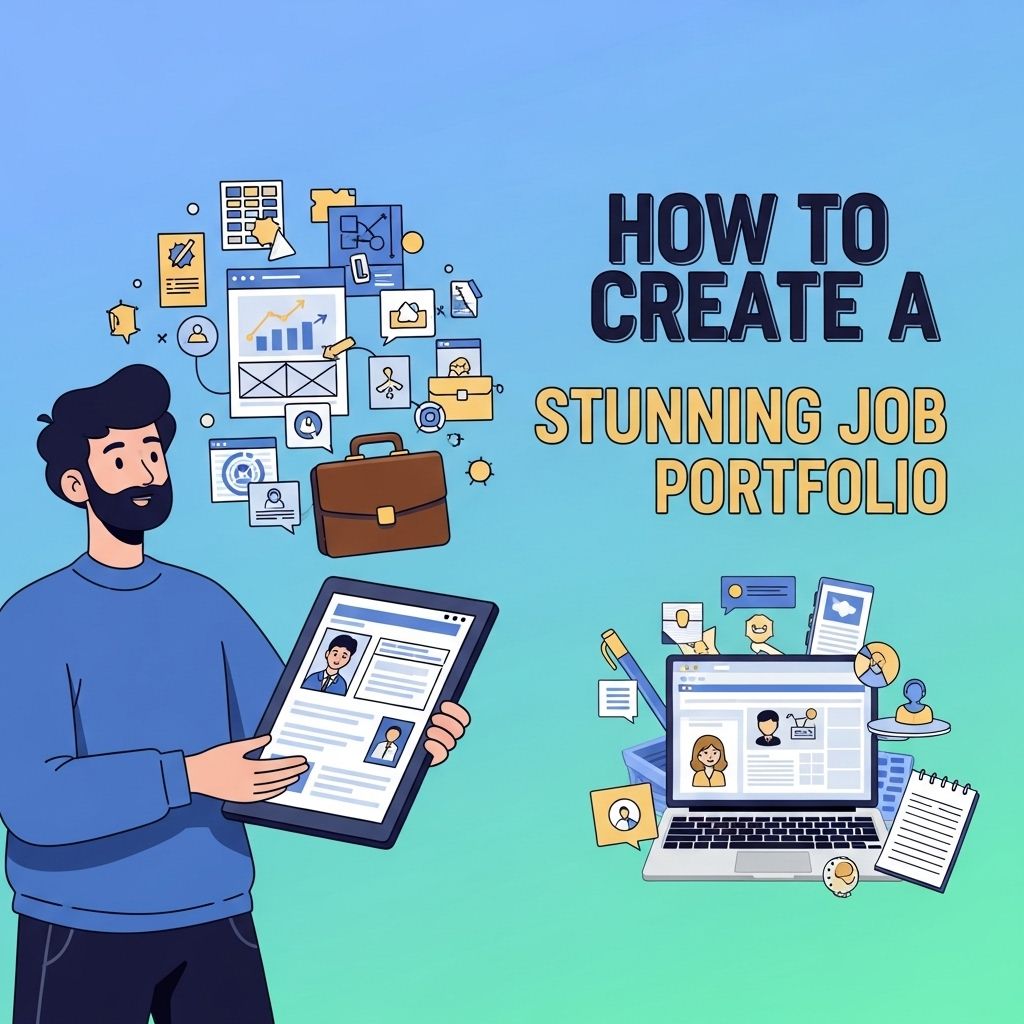
In today’s competitive job market, having a stunning job portfolio is essential for showcasing your skills, experiences, and accomplishments. A well-crafted portfolio can set you apart from other candidates and provide a visual representation of your professional journey. Whether you are a graphic designer, a software developer, or an entrepreneur, a portfolio offers a platform to highlight your best work. In this article, we will explore the key components of a remarkable job portfolio and provide actionable tips to create one that captivates potential employers.
Creating a stunning job portfolio doesn’t have to be a daunting task. By following five easy steps, you can showcase your skills and accomplishments in a visually appealing way. To enhance your presentation, consider using varieties of bag mockups for a polished look.
Table of Contents
Understanding the Purpose of a Job Portfolio
A job portfolio serves several purposes:
- Demonstrates your skills and expertise
- Showcases your best work and projects
- Offers proof of your professional development
- Acts as a conversation starter during interviews
- Reflects your personal brand and style
Key Components of a Job Portfolio
To build an impressive portfolio, consider including the following components:
1. Introduction or Personal Statement
Your portfolio should begin with a brief introduction or personal statement. This section should summarize who you are, what you do, and what makes you unique. Be sure to include:
- Your professional background
- Your areas of expertise
- Your career goals and aspirations
2. Resume or CV
Include a well-formatted resume or CV that outlines your work history, education, and relevant skills. Make sure it’s up to date and tailored to your target job. Highlight:
- Work experience
- Educational qualifications
- Certifications and awards
3. Work Samples
One of the most critical parts of your portfolio is the work samples. Depending on your field, this could include:
| Field | Sample Types |
|---|---|
| Graphic Design | Logos, brochures, websites |
| Writing | Articles, reports, essays |
| Software Development | Code snippets, applications, projects |
| Photography | Portfolio of images, exhibitions |
When choosing work samples, select those that best represent your skills and creativity. Include descriptions for each project, explaining your role, the tools used, and the outcomes.
4. Testimonials and References
Including testimonials from previous employers, clients, or colleagues can add credibility to your portfolio. Consider using:
- Quotes from references
- LinkedIn recommendations
- Client feedback on completed projects
5. Skills Section
Clearly outline your key skills and proficiencies. Use bullet points for clarity and consider categorizing them into:
- Technical Skills (e.g., programming languages, software)
- Soft Skills (e.g., communication, teamwork)
Designing an Appealing Portfolio
The design of your portfolio is just as important as its content. A visually appealing layout will enhance the user experience and keep readers engaged. Here are some tips for designing your portfolio:
1. Choose the Right Format
Decide whether to create a physical portfolio, a digital portfolio, or both. Digital portfolios are increasingly popular due to their accessibility and ease of sharing. Consider platforms such as:
- Behance
- WordPress
- GitHub (for developers)
- Adobe Portfolio
2. Keep It Organized
Structure your portfolio logically. Use headings, subheadings, and sections to guide the reader. A clean and organized layout will make a positive impression. Consider using:
- Navigation menus for digital portfolios
- Tabs or sections for physical portfolios
3. Use Consistent Branding
Ensure that the design elements of your portfolio reflect your personal brand. This includes:
- Color schemes
- Font choices
- Logo (if applicable)
4. Optimize for Mobile Viewing
If you choose a digital format, ensure that your portfolio is mobile-friendly. Many employers view portfolios on their smartphones or tablets, making mobile optimization critical.
Presenting Your Portfolio
Once your portfolio is ready, it’s time to present it effectively. Here are some strategies:
1. Tailor Your Portfolio for Specific Opportunities
Adjust your portfolio for different job applications. Highlight work that is most relevant to the position you are applying for.
2. Prepare an Elevator Pitch
Have a short, compelling pitch ready for when you share your portfolio. This should summarize your skills and experiences and explain why you are a good fit for the job.
3. Use Your Portfolio in Interviews
Bring a physical copy or have a digital version ready to share during interviews. Use your portfolio as a visual aid to discuss your work and experiences.
Maintaining Your Portfolio
A job portfolio is a living document. Regularly update it to reflect your latest achievements and projects. Consider the following:
- Review and refresh your work samples
- Add new skills as you acquire them
- Remove outdated or less relevant projects
Conclusion
Creating a stunning job portfolio requires careful planning, creativity, and attention to detail. By following the guidelines outlined in this article, you can develop a portfolio that effectively showcases your skills and makes a lasting impression on potential employers. Remember, your portfolio is not just a collection of documents; it’s a reflection of your professional identity and a tool that can help you launch your career to new heights.
FAQ
What is a job portfolio?
A job portfolio is a curated collection of work samples, skills, and accomplishments that showcases your abilities and qualifications to potential employers.
Why is a job portfolio important?
A job portfolio is important because it provides tangible evidence of your work, demonstrates your skills, and differentiates you from other candidates in a competitive job market.
How do I start creating a job portfolio?
To start creating a job portfolio, gather examples of your work, select a format (digital or physical), and organize your pieces to highlight your strengths and relevant experience.
What should I include in my job portfolio?
Include work samples, a resume, a list of skills, testimonials or references, and any relevant certifications or awards in your job portfolio.
How can I make my job portfolio visually appealing?
You can make your job portfolio visually appealing by using a clean layout, consistent formatting, high-quality images, and engaging design elements that reflect your personal brand.
Should I customize my job portfolio for each job application?
Yes, customizing your job portfolio for each application can help you emphasize the most relevant skills and experiences for the specific position you are applying for.