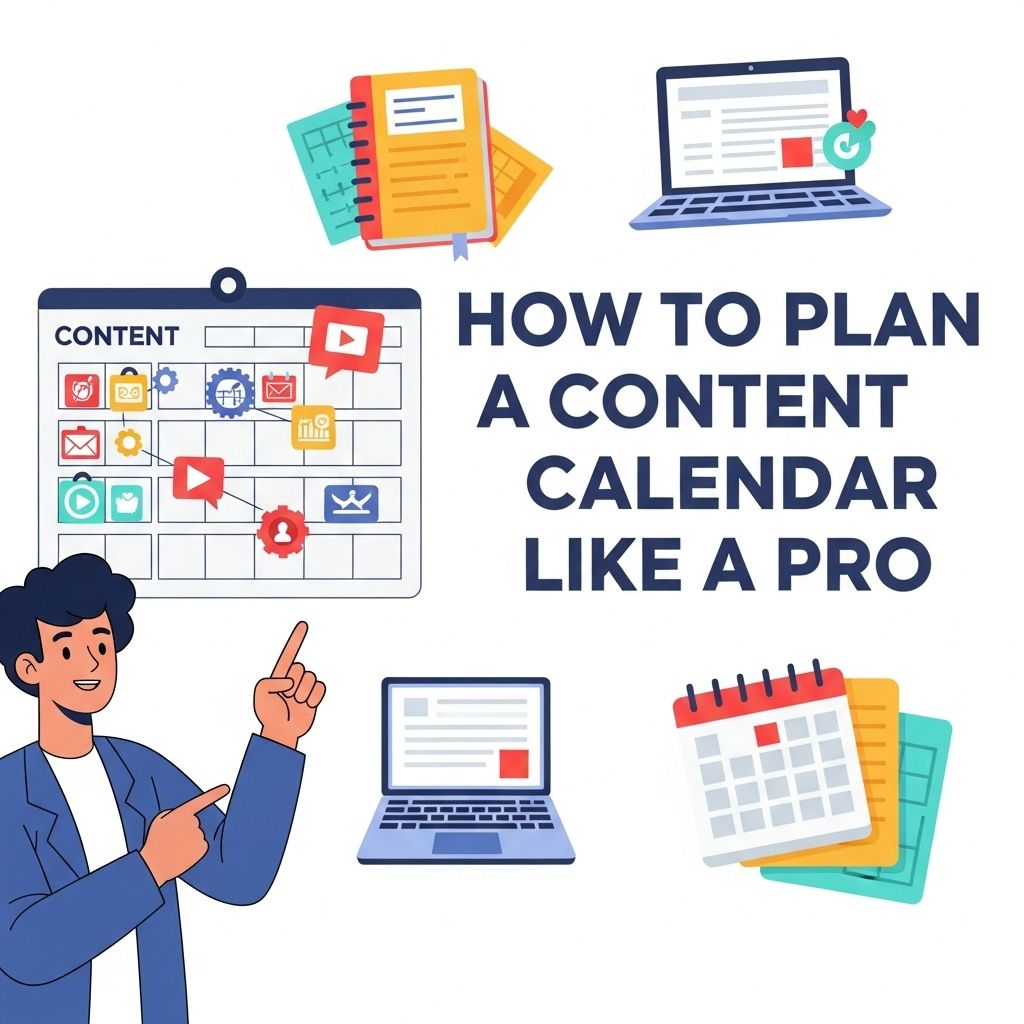
In today’s fast-paced digital world, having a well-structured content calendar is crucial for businesses and content creators alike. A content calendar not only keeps your content organized but also ensures that you maintain consistency and relevance in your posting strategy. Whether you are a small business owner, a digital marketer, or a social media manager, mastering the art of content calendar planning can significantly boost your productivity and engagement. In this article, we will explore the steps to create an effective content calendar that caters to your audience’s needs and aligns with your marketing goals.
Mastering content calendars is essential for anyone looking to streamline their marketing efforts and maintain a consistent online presence. By organizing your content strategy effectively, you not only improve engagement but also enhance brand visibility through creative tools like using bag mockups for branding. This guide offers insights into best practices for creating an effective content calendar.
Table of Contents
Understanding the Importance of a Content Calendar
A content calendar serves as a roadmap for your content strategy. Here are some key benefits:
- Consistency: Regular posting establishes trust and keeps your audience engaged.
- Strategic Planning: Helps in aligning content with marketing campaigns, product launches, and events.
- Resource Allocation: Assists in determining who is responsible for creating and publishing content.
- Analytics Tracking: Allows you to review the effectiveness of your content over time.
Steps to Create a Content Calendar
1. Define Your Goals
Before diving into the calendar, it’s essential to articulate your content marketing goals. Consider the following:
- What are you trying to achieve? (e.g., increase brand awareness, generate leads, etc.)
- Who is your target audience?
- What platforms will you use to distribute your content?
2. Research Your Audience
Understanding your audience is crucial for creating content that resonates. Conduct surveys, engage on social media, and analyze existing data to gather insights on:
- Demographics: Age, gender, location, etc.
- Interests: What topics do they engage with?
- Behavior: When are they most active online?
3. Choose Your Content Types
Variety is key to keeping your audience engaged. Consider incorporating the following types of content:
- Blog Posts: In-depth articles that provide valuable information.
- Infographics: Visual representations of data and information.
- Videos: Engaging visual content that can be shared across multiple platforms.
- Podcasts: Audio content that allows for storytelling and discussions.
- Social Media Posts: Short, engaging updates tailored for specific platforms.
4. Choose a Tool for Your Calendar
Selecting the right tool can make managing your content calendar much more efficient. Here are some popular options:
| Tool | Features |
|---|---|
| Google Calendar | Simple, collaborative, and accessible from anywhere. |
| Trello | Visual project management with cards and lists. |
| Asana | Task management with deadlines and progress tracking. |
| CoSchedule | Marketing calendar with social media integration. |
5. Develop a Content Schedule
Decide on the frequency of your posts. A general guideline could be:
- Daily: Social media updates.
- Weekly: Blog posts or newsletters.
- Monthly: Comprehensive reports or webinars.
Here’s a simple weekly example:
| Day | Content Type | Topic |
|---|---|---|
| Monday | Blog Post | Content Marketing Trends |
| Tuesday | Social Media Post | Tip of the Week |
| Wednesday | Infographic | Statistics on Audience Engagement |
| Thursday | Podcast | Interview with an Industry Expert |
| Friday | Video | Content Creation Behind-the-Scenes |
6. Brainstorm Content Ideas
Utilize various methods to generate content ideas:
- Keyword Research: Identify what your audience is searching for.
- Competitor Analysis: Look at what similar brands are producing.
- User-Generated Content: Encourage your audience to share their experiences.
7. Create a Workflow
Establish a clear workflow for each piece of content. This typically includes:
- Idea generation
- Content creation
- Editing and revisions
- Approval process
- Publishing
- Promotion
8. Monitor and Adjust
The final step is continuous improvement. Regularly review your content’s performance through analytics tools to see what works and what doesn’t. Adjust your strategy based on:
- Engagement metrics
- Traffic sources
- Conversion rates
Conclusion
A well-planned content calendar is an indispensable tool for anyone looking to create meaningful connections with their audience. By following the steps outlined above, you can streamline your content creation process, make informed decisions, and ultimately achieve your marketing goals. Stay flexible and adapt to changes, and remember that a content calendar is not just a schedule; it’s a strategic asset for your brand’s growth.
FAQ
What is a content calendar?
A content calendar is a schedule that outlines all the content you plan to publish across various platforms, helping you to organize and strategize your content marketing efforts.
Why is a content calendar important for content marketing?
A content calendar helps ensure consistency, allows for better planning and resource allocation, and provides a clear overview of your content strategy, which can improve engagement and SEO.
How do I create a content calendar?
To create a content calendar, start by defining your goals, identifying your target audience, and brainstorming content ideas. Then, use a spreadsheet or calendar tool to plan your content’s publishing dates and platforms.
What tools can I use to manage my content calendar?
There are several tools available, such as Google Calendar, Trello, Asana, and dedicated content calendar software like CoSchedule or Airtable, which can help you organize and manage your content effectively.
How often should I update my content calendar?
You should update your content calendar regularly, ideally on a weekly or monthly basis, to reflect any changes in strategy, audience feedback, or new content opportunities.
What types of content should I include in my content calendar?
Your content calendar should include a variety of content types such as blog posts, social media updates, videos, newsletters, and any promotional campaigns to ensure a diverse and engaging content mix.