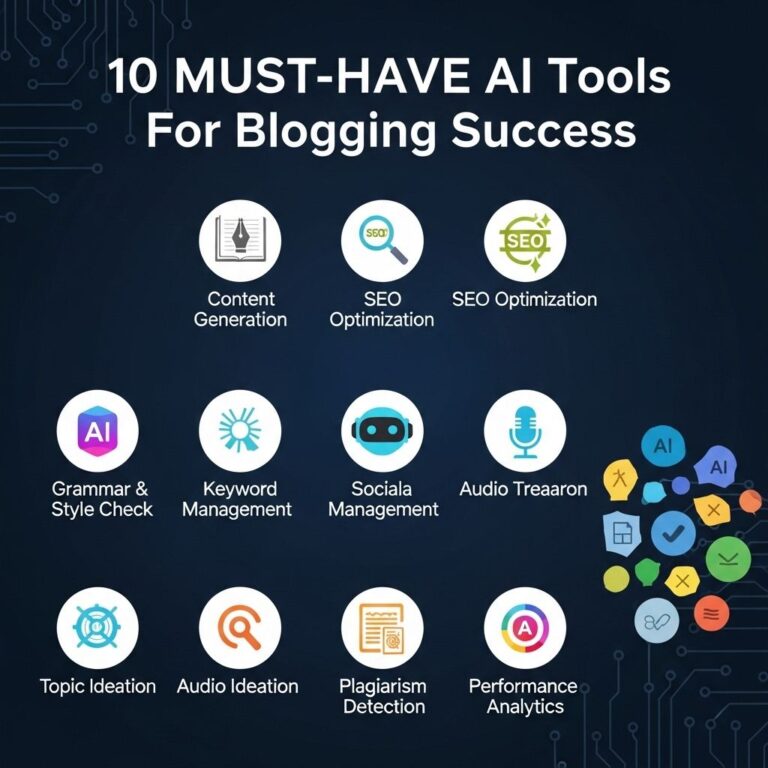
In today’s digital world, blogging has become a potent platform for sharing ideas, building a brand, and even generating income. But writing a blog that stands out requires more than just a good idea; it demands the right tools to enhance your writing process, optimize for search engines, and engage your audience effectively. In this article, we will explore ten essential tools that can elevate your blogging game, making you a pro writer in no time.
For aspiring bloggers looking to elevate their writing, having the right tools is crucial. In this article, we will explore 10 essential tools that can help streamline your blogging process and enhance the quality of your content. From editing software to design resources like free jar templates, these tools can make all the difference in achieving a professional-level blog.
Table of Contents
1. Word Processors: The Foundation of Your Writing
Before you publish your thoughts, you need a solid writing tool. Word processors provide essential features that help structure your blog post effectively.
- Google Docs: A cloud-based tool that allows for real-time collaboration, making it perfect for teams.
- Microsoft Word: A classic choice with extensive formatting options and an offline mode.
- Scrivener: Designed for long-form content, it organizes your notes and ideas in a user-friendly interface.
2. Grammar and Style Checkers
Even the best ideas can fall flat if they’re poorly written. Using grammar checkers ensures your writing is polished and professional.
- Grammarly: Provides real-time grammar and style suggestions, making your writing clearer and more engaging.
- Hemingway Editor: Focuses on readability by highlighting complex sentences and passive voice.
- ProWritingAid: Offers comprehensive reports on grammar, style, and readability, ideal for professional writers.
3. SEO Tools: Driving Traffic to Your Blog
Search engine optimization (SEO) is crucial for visibility in the crowded blogosphere. These tools help optimize your content for search engines.
- Yoast SEO: A WordPress plugin that provides real-time SEO analysis for your content.
- SEMrush: Offers keyword research, site audit, and competitors’ analysis to enhance your SEO strategy.
- Ahrefs: An all-in-one tool that provides insights into your blog’s health and SEO performance.
4. Image and Graphic Design Tools
Visuals play a significant role in capturing attention and engaging readers. Here are tools to create stunning images for your blog.
| Tool | Description |
|---|---|
| Canva | An easy-to-use graphic design tool with templates for blog graphics, social media posts, and more. |
| Adobe Spark | A web-based design tool that lets you create videos, web pages, and social graphics quickly. |
| Unsplash | A repository of high-resolution images that are free to use, perfect for enhancing your blog posts. |
5. Content Management Systems (CMS)
Your choice of CMS affects how you publish and manage your blog. Here are popular options to consider:
- WordPress: The most widely used CMS, offering flexibility and a vast library of plugins.
- Wix: An intuitive website builder with drag-and-drop features, great for beginners.
- Squarespace: Known for its beautiful templates and built-in SEO features, ideal for creative bloggers.
6. Social Media Management Tools
Promotion is key to increasing your blog’s readership. These tools help you manage your social media accounts efficiently.
- Buffer: Allows you to schedule posts across multiple platforms, analyze engagement, and optimize posting times.
- Hootsuite: A comprehensive social media management tool that supports multiple social accounts and provides analytics.
- Later: Focuses on visual content and is perfect for Instagram scheduling.
7. Email Marketing Platforms
Connecting with your audience through email is vital for building loyalty and driving traffic back to your blog. Consider these platforms:
- Mailchimp: An easy-to-use platform with a free tier, perfect for beginners looking to build an email list.
- ConvertKit: Designed for creators, it offers automation features that help you segment your audience effectively.
- Constant Contact: Provides extensive support and resources for email marketing novices.
8. Analytics Tools: Measuring Your Success
Understanding your audience’s behavior is key to improving your blog’s performance. Here are essential analytics tools:
- Google Analytics: Offers detailed reports on traffic sources, user behavior, and engagement metrics.
- Hotjar: Provides heatmaps and visitor recordings to understand how users interact with your site.
- Clicky: A real-time analytics tool that focuses on visitor engagement metrics.
9. Backup and Security Tools
Ensuring your blog is secure and backed up is vital for peace of mind. Utilize these tools:
- UpdraftPlus: A WordPress plugin that automates backups to various cloud storage options.
- Sucuri: Offers website security and offers firewall protection against hacks and malware.
- VaultPress: Provides real-time backups and security scans for WordPress sites.
10. Collaboration and Project Management Tools
If you’re working with a team, collaboration tools can streamline the writing and publishing process:
- Trello: A kanban-style task management tool that helps organize projects and deadlines visually.
- Asana: A powerful project management tool that helps teams track tasks, set deadlines, and collaborate efficiently.
- Slack: Offers a communication platform to discuss ideas and share feedback in real time.
Conclusion
In an era where content is king, leveraging the right tools can significantly enhance your blogging experience. From writing to promotion and analysis, the tools mentioned above cater to various aspects of blogging that can help you write like a pro. By integrating these technologies into your blogging workflow, you’ll not only improve your content’s quality but also its reach, ensuring that your voice is heard loud and clear in the digital landscape.
FAQ
What are the best tools for writing a blog?
Some of the best tools for writing a blog include Grammarly for grammar checks, Yoast SEO for optimizing content, Canva for creating visuals, and WordPress for managing the blog.
How can I improve my blogging skills?
Improving your blogging skills can be achieved by reading extensively, writing regularly, using feedback tools like Hemingway, and studying successful blogs for inspiration.
Is it necessary to use SEO tools for blogging?
Yes, using SEO tools is important as they help optimize your content for search engines, increase visibility, and drive traffic to your blog.
Can I write a blog without any writing tools?
While it’s possible to write a blog without any tools, using writing tools can enhance your writing quality, help with organization, and improve overall productivity.
What platform is best for blogging?
WordPress is widely considered the best platform for blogging due to its flexibility, extensive plugins, and user-friendly interface.
How do I create engaging content for my blog?
Creating engaging content involves understanding your audience, providing valuable information, using storytelling techniques, and incorporating visuals to enhance the reader’s experience.