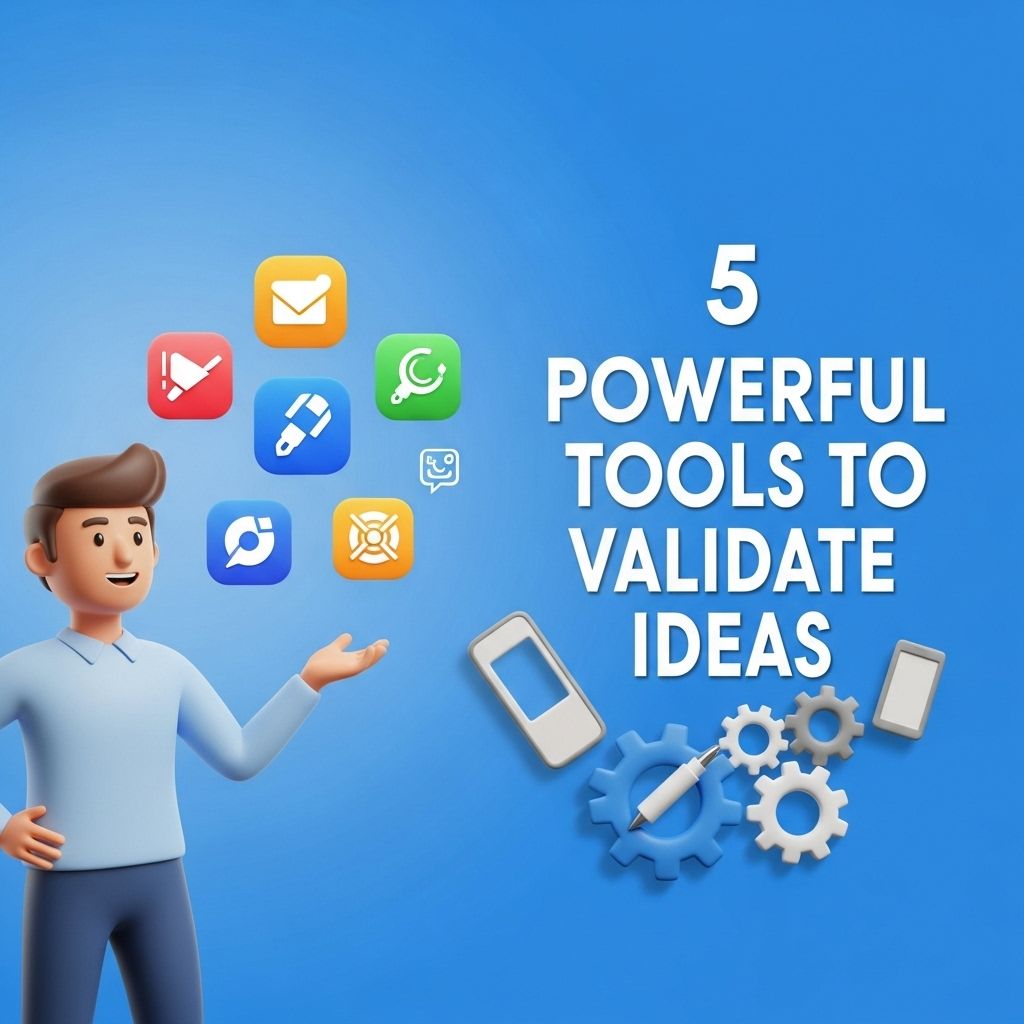
In the fast-paced world of technology and innovation, validating ideas has become crucial for entrepreneurs and businesses alike. The difference between a successful product and a failed venture often lies in the rigorous evaluation of ideas before they are brought to market. Fortunately, there are numerous tools available that can help you test your concepts and ensure they have the potential to succeed. Here, we explore five powerful tools to validate ideas effectively.
Validating your ideas is a crucial step in the development process, ensuring that your concepts resonate with your target audience. In this guide, we’ll explore five powerful tools that can help you effectively validate your ideas, including resources for creating visually appealing representations like how to create bag mockups.
Table of Contents
1. SurveyMonkey
SurveyMonkey is a versatile survey platform that allows users to create custom surveys to collect feedback from potential customers. This tool is particularly useful for gathering large amounts of data quickly and efficiently.
Key Features:
- Customizable Surveys: Users can design surveys tailored to their specific needs.
- Analytics and Reporting: The platform provides robust analytical tools to interpret survey results.
- Wide Distribution: Surveys can be distributed through various channels, including email, social media, and embedded links.
Using SurveyMonkey, entrepreneurs can gauge interest, understand customer preferences, and identify potential market gaps.
2. Google Trends
Google Trends is a powerful tool that tracks the popularity of search queries over time. This platform provides insights into what topics are currently trending in various regions, allowing businesses to align their ideas with consumer interests.
How to Use Google Trends:
- Visit the Google Trends website.
- Enter a keyword or phrase related to your idea.
- Analyze the data, focusing on trends over time and geographical interest.
By leveraging Google Trends, innovators can identify emerging trends that can inform their product development and marketing strategies.
3. A/B Testing with Optimizely
A/B testing is a method of comparing two versions of a webpage or product to determine which one performs better. Optimizely is a leading A/B testing platform that helps businesses optimize their digital experiences.
Benefits of A/B Testing:
- Data-Driven Decisions: A/B testing allows entrepreneurs to make informed decisions based on user behavior.
- Improved User Experience: By testing different variations, businesses can enhance user engagement and satisfaction.
- Increased Conversion Rates: Effective A/B testing can lead to higher conversion rates and revenue.
For startups, Optimizely provides the tools to validate their ideas through real user feedback, allowing them to refine their offerings before launch.
4. UsabilityHub
UsabilityHub is a platform designed to collect user feedback on designs, prototypes, and concepts. It is particularly valuable in the early stages of product development when visual elements are being finalized.
Core Features:
| Feature | Description |
|---|---|
| Design Surveys | Submit design mockups to evaluate user preferences. |
| Five-Second Tests | Assess first impressions of a design in just five seconds. |
| Click Tests | Identify where users click on a design to enhance usability. |
By using UsabilityHub, companies can validate their design choices and ensure that their product aligns with user expectations.
5. Lean Startup Methodology
The Lean Startup methodology is not a specific tool but rather a framework for developing products in a way that minimizes risk and maximizes learning. This approach emphasizes the importance of building a minimum viable product (MVP) that can be tested and iterated upon quickly.
Steps in Lean Startup:
- Build: Develop a basic version of your product.
- Measure: Collect data on how your MVP performs with real users.
- Learn: Analyze the feedback and learn from the data to improve your product.
This iterative process allows startups to refine their ideas continuously and pivot when necessary, significantly increasing their chances of success.
Conclusion
In conclusion, validating ideas is a critical step in the product development process. By utilizing tools like SurveyMonkey, Google Trends, Optimizely, UsabilityHub, and applying the Lean Startup methodology, entrepreneurs can gather invaluable insights and feedback. These tools not only help in understanding market demand but also in refining ideas based on real-world data, ultimately leading to more successful outcomes. As the tech landscape continues to evolve, leveraging these resources will be essential for anyone looking to turn their ideas into viable products.
FAQ
What are the best tools for validating business ideas?
Some of the best tools for validating business ideas include surveys, landing pages, A/B testing, market research tools, and customer feedback platforms.
How can I use surveys to validate my business idea?
Surveys can help you gather insights from potential customers about their needs, preferences, and willingness to pay for your product or service.
What is the role of a landing page in idea validation?
A landing page allows you to showcase your business idea and gauge interest by measuring sign-ups or inquiries, helping you assess market demand.
How does A/B testing contribute to idea validation?
A/B testing allows you to compare two versions of a product or service to see which one resonates better with your target audience, providing data-driven insights.
Why is market research important for validating a business idea?
Market research helps you understand the competitive landscape, target audience, and industry trends, which are crucial for assessing the viability of your idea.
What is the significance of customer feedback in idea validation?
Customer feedback provides direct insights from your target market, highlighting potential improvements and confirming whether your idea meets their needs.