In the digital age, a well-crafted portfolio website can be the difference between landing your dream job and remaining unnoticed in a sea of talent. For creatives and professionals alike, having an online representation of your work is essential to showcase your skills, personality, and style. In this article, we will explore ten exceptional portfolio websites that stand out for their design, functionality, and impact. These examples will not only inspire you but also provide valuable insight into creating a portfolio that resonates with your target audience.
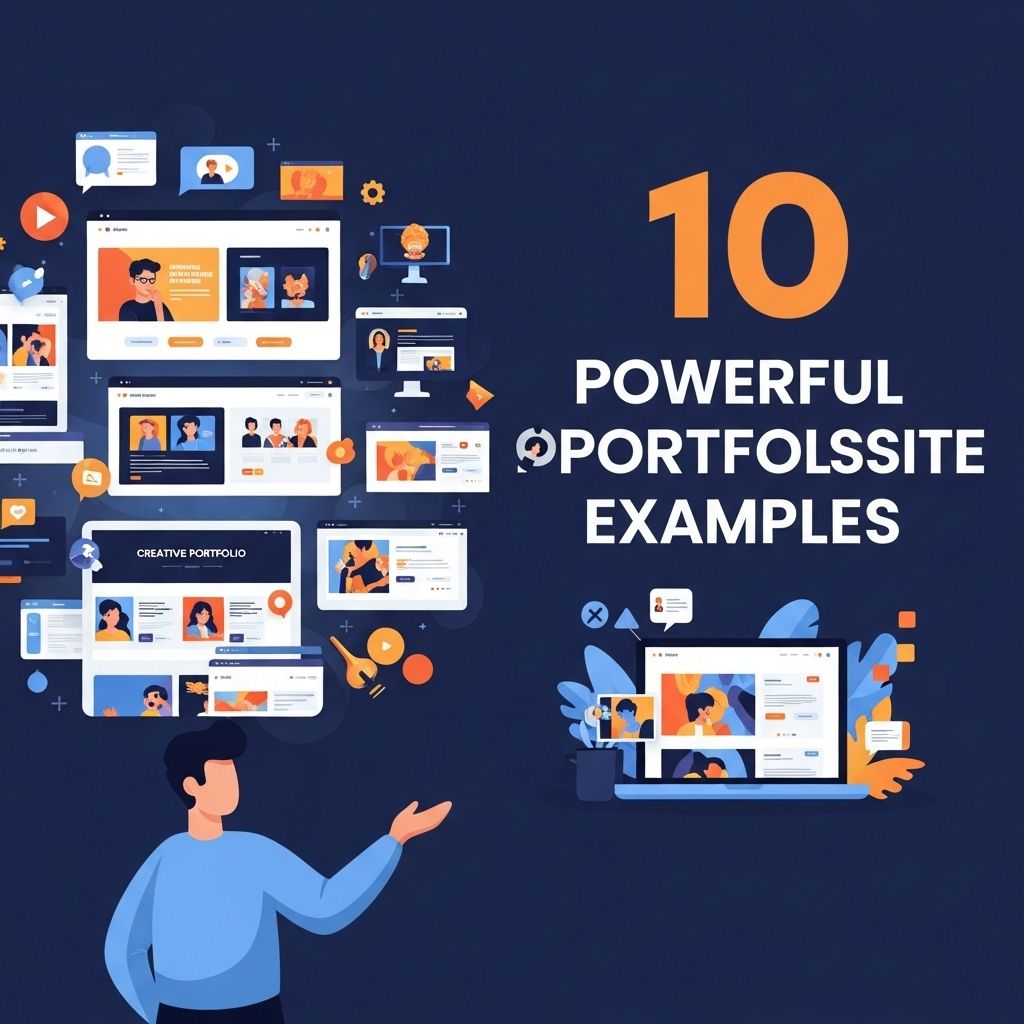
In today’s digital age, a strong portfolio website is crucial for showcasing your skills and attracting potential clients. This article highlights 10 powerful portfolio website examples that can inspire you to create your own standout online presence. For additional design resources, check out these best bag mockup designs.
Table of Contents
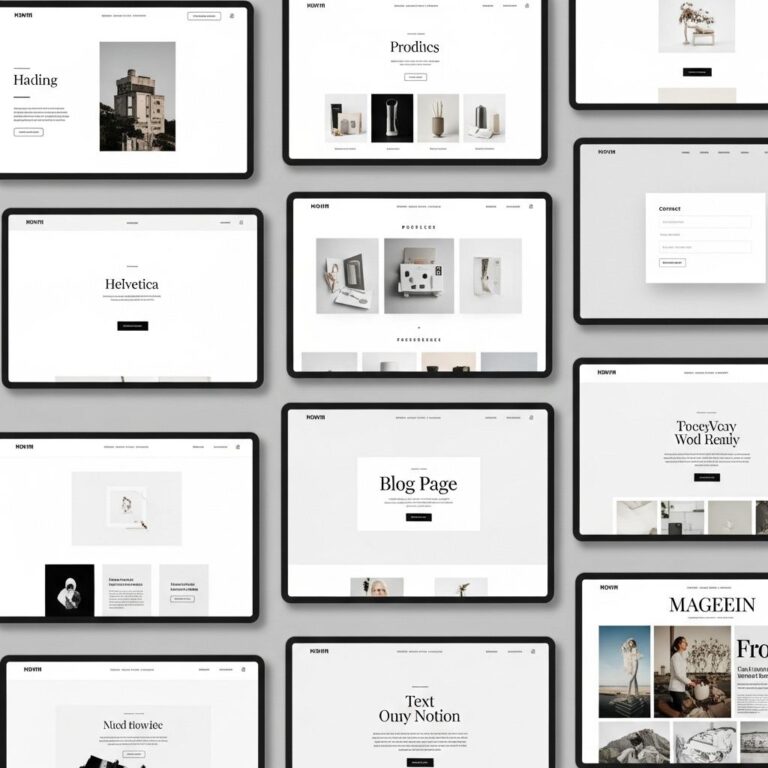
1. The Minimalist Approach
One of the most effective strategies in web design is minimalism. A clean and uncluttered layout puts the focus on the work itself. Here are two prime examples:
Example: Adham Dannaway
Adham’s portfolio is a prime example of minimalism. The one-page scroll design enables users to view his work smoothly. Highlights include:
- Stark color contrast that draws attention to projects.
- Simple navigation that ensures users can find information quickly.
- Embedding of interactive elements, making the experience engaging.
Example: Masha O.
Similar to Adham, Masha’s website utilizes a minimalist design. Key features include:
- Ample white space that allows her designs to breathe.
- A strong emphasis on typography that adds personality.
- Responsive design that looks great on all devices.
2. Interactive Portfolios
Interactivity can significantly enhance user engagement. Portfolio websites that incorporate interactive elements keep visitors exploring longer.
Example: Pierre Nel
Pierre’s portfolio is a beautiful blend of art and technology. Features such as:
- Unique hover effects that reveal more about each project.
- Smooth transitions that create an immersive experience.
- Interactive storytelling, guiding users through his creative process.
Example: Awwwards
Awwwards’ own portfolio is a fantastic showcase of award-winning designs. They use:
- Animations that captivate users’ attention.
- Dynamic filtering options to explore various design entries.
- A user-generated rating system to enhance community engagement.
3. Creative Use of Multimedia
Incorporating videos and animations can effectively convey the essence of your work. Here are notable examples:
Example: Tim Roussilhe
Tim creatively uses video backgrounds to enhance his portfolio. Key aspects include:
- Background videos showcasing his projects in action.
- A seamless blend of design and multimedia, creating an engaging atmosphere.
- Clear call-to-action buttons that encourage prospective clients to get in touch.
Example: Jessica Walsh
Jessica’s portfolio stands out due to its vibrant use of color and animation. Key features include:
- Animated transitions that maintain a dynamic flow.
- High-quality video presentations of her projects, adding depth.
- Colorful graphics that reflect her personality and artistic style.
4. Storytelling Through Design
Storytelling can transform a portfolio from a simple showcase into a compelling narrative. Consider these examples:
Example: Daniel Spatzek
Daniel uses storytelling to guide visitors through his journey as a designer. Highlights include:
- A cohesive narrative that connects different sections of his work.
- Personal anecdotes that add a relatable touch.
- Visually consistent elements that reinforce his brand.
Example: Tilda
Tilda’s portfolio showcases its own platform’s capabilities. Notable features include:
- Project case studies that detail the process from concept to execution.
- Engaging layouts that make reading enjoyable.
- Use of visual elements to complement the text, reinforcing the narrative.
5. Bold Typography and Color Schemes
The choice of typography and color can make or break a portfolio. Here’s how some designers make bold choices:
Example: Billelis
Billelis’s portfolio features a striking dark theme complemented by neon colors. Key traits include:
- Strong visual hierarchy, guiding the viewer’s eye.
- Unique typefaces that reflect his brand style.
- Creative color combinations that stand out.
Example: Yuna Huh
Yuna’s website employs a playful color palette and whimsical typography. Highlights include:
- Bright hues that create a joyful atmosphere.
- Playful font choices that capture attention.
- Consistent branding that echoes her artistic style.
6. User-Centric Navigation
User experience is paramount when crafting a portfolio. These examples excel in providing seamless navigation:
Example: Will Paterson
Will’s portfolio includes straightforward navigation that enhances usability. Key features include:
- Intuitive menu layout that categorizes his work effectively.
- Fast loading times, ensuring users don’t lose interest.
- Accessible links to social media profiles for easy connection.
Example: Claire D. Johnson
Claire’s site exemplifies user-centric design through:
- Sticky navigation bar that remains accessible as users scroll.
- Clear section titles that facilitate easy navigation through content.
- Efficient filtering options to quickly find specific projects.
7. Artistic Personal Branding
Your portfolio should reflect your unique personal brand. Here are two exceptional examples:
Example: Eda Akaltun
Eda’s portfolio embodies her artistic vision and style. Notable aspects include:
- A unique logo that reinforces her brand identity.
- Consistent theme elements that reflect her artistic flair.
- Strong imagery that showcases her passion for design.
Example: Paul Adam
Paul’s approach to personal branding is noteworthy. Features include:
- A custom color palette that is uniquely his.
- Consistent use of patterns throughout the website.
- Engaging visuals that communicate his design philosophy.
8. Integrating Social Proof
Social proof can significantly enhance credibility. Here’s how to incorporate it into your portfolio:
Example: Sarah S. Lee
Sarah effectively uses testimonials from clients and colleagues. Key aspects include:
- Prominently displayed testimonials throughout her site.
- Links to published articles that feature her work.
- Association with reputable brands she has collaborated with.
Example: Matt L. Williams
Matt’s portfolio includes endorsements that bolster his reputation. Important features include:
- Case studies demonstrating successful collaborations.
- Quotes from clients that highlight his strengths.
- Accolades from industry awards prominently displayed.
9. Incorporating Blogging
A blog can be a powerful tool to showcase your expertise and personality. Consider the following examples:
Example: Sarah Drasner
Sarah combines her portfolio with insightful blog posts. Key features include:
- Regular updates that keep her audience engaged.
- Articles that showcase her expertise in web development.
- Personal reflections that add depth to her professional persona.
Example: Chris Coyier
Chris’s site features a well-integrated blog that discusses web design trends. Notable aspects include:
- In-depth tutorials that provide value to aspiring designers.
- Community engagement through comment sections.
- Resources that establish him as a thought leader.
10. Best Practices for Portfolio Websites
To conclude, creating a standout portfolio involves several best practices:
- Keep it updated with your latest work.
- Focus on quality over quantity in your project selection.
- Ensure mobile responsiveness for optimal user experience.
- Leverage SEO techniques to enhance visibility.
- Seek feedback from peers or mentors to improve design and content.
Final Thoughts
A portfolio website is more than just a collection of projects; it’s a reflection of your brand and professional journey. By drawing inspiration from these exceptional examples and adhering to best practices, you can create a portfolio that not only showcases your work but also resonates with potential clients and employers. Remember, continual improvement and adaptation to trends will keep your portfolio fresh and relevant in an ever-evolving digital landscape.
FAQ
What are the key elements of a powerful portfolio website?
A powerful portfolio website should include a clean design, easy navigation, high-quality visuals, a strong personal brand statement, detailed project descriptions, and contact information.
How can I make my portfolio website stand out?
To make your portfolio website stand out, focus on showcasing your unique style, use engaging storytelling in your project descriptions, and consider incorporating interactive elements or animations.
What types of projects should I include in my portfolio?
Include a variety of projects that showcase your skills, creativity, and versatility. Highlight your best work, including completed projects, personal projects, and any collaborations.
Is it important to have a blog on my portfolio website?
Yes, having a blog can help demonstrate your expertise, improve SEO, and engage your audience by sharing insights into your process and industry trends.
How can I optimize my portfolio website for search engines?
Optimize your portfolio website by using relevant keywords, writing descriptive titles and meta tags, optimizing image alt text, and ensuring fast loading times.
What platforms are best for building a portfolio website?
Popular platforms for building portfolio websites include WordPress, Squarespace, Wix, and Adobe Portfolio, each offering various customization options and ease of use.