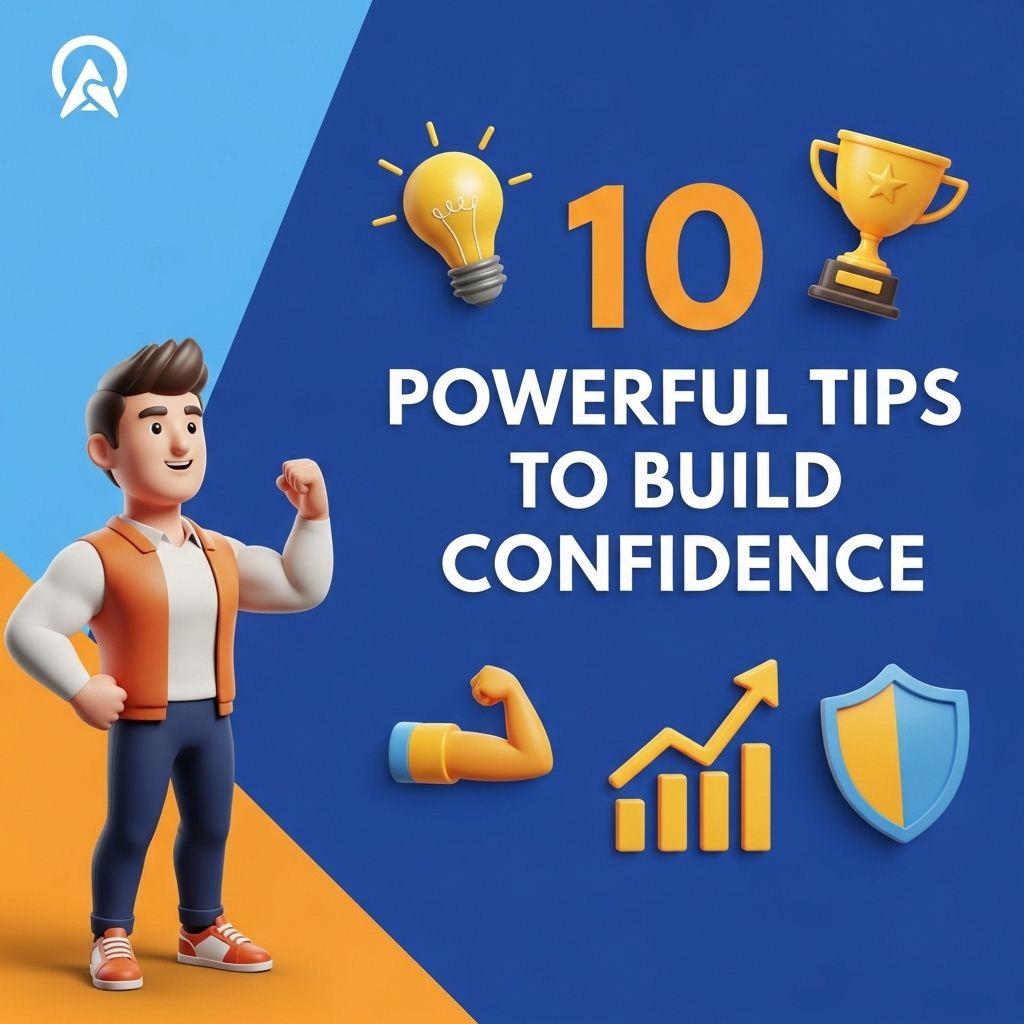
Confidence is a crucial attribute that can significantly impact various aspects of our lives, from professional settings to personal relationships. In a world where self-doubt can easily creep in, building and sustaining confidence is essential for achieving our goals and living fulfilling lives. In this article, we will explore some powerful tips to help you cultivate a strong sense of self-confidence that endures even in challenging situations.
Building confidence is essential for personal and professional growth, and there are effective strategies to help you cultivate this vital trait. From setting achievable goals to practicing self-compassion, the journey to a more confident self can be transformative. For those seeking inspiration in creativity, check out these realistic bag mockup examples that can enhance your design projects.
Table of Contents
Understanding Confidence
Before diving into the tips for building confidence, it’s important to understand what confidence really means. Confidence is the belief in one’s abilities and judgment. It’s not just about feeling good but about trusting oneself to handle various situations effectively. Here are some insights into the nature of confidence:
- Self-awareness: Understanding your strengths and weaknesses.
- Self-acceptance: Embracing who you are while striving for improvement.
- Growth mindset: Believing that abilities can be developed through dedication and hard work.
1. Set Achievable Goals
Setting realistic and achievable goals is a fundamental step in building confidence. When you set a goal and accomplish it, even if it’s small, you reinforce your ability to succeed.
Steps to Effective Goal Setting
- Identify your interests and passions.
- Break larger goals into smaller, manageable tasks.
- Set deadlines to keep yourself accountable.
- Celebrate small victories to boost your morale.
2. Practice Self-Compassion
Being kind to yourself is vital for building confidence. Often, we are our harshest critics. Practicing self-compassion can help you accept mistakes and learn from them rather than dwell on failures.
Ways to Cultivate Self-Compassion
- Speak to yourself as you would to a friend.
- Limit negative self-talk.
- Focus on your efforts rather than the outcome.
3. Expand Your Comfort Zone
Stepping outside your comfort zone is a powerful confidence booster. When you challenge yourself to try new things, you not only gain new experiences but also reinforce your capability to handle unpredictability.
Ideas to Expand Your Comfort Zone
- Join a public speaking group.
- Take a class in a subject you know little about.
- Engage in social activities that intimidate you.
4. Develop Assertiveness Skills
Being assertive means expressing your thoughts and feelings openly and honestly while respecting others. Developing this skill can significantly enhance your confidence.
Tips for Being More Assertive
- Practice saying ‘no’ without feeling guilty.
- Use ‘I’ statements to express your needs.
- Maintain eye contact and a confident posture.
5. Surround Yourself with Positivity
The people you associate with can have a profound effect on your confidence. Surrounding yourself with positive, supportive individuals can create an environment where you can thrive.
Finding Your Support Circle
- Seek out friends who encourage you.
- Join groups or communities with shared interests.
- Limit time with those who drain your energy.
6. Focus on Body Language
Your body language can influence how others perceive you and how you feel about yourself. Adopting confident body language can help boost your self-esteem.
Body Language Tips
| Body Language Technique | Effect |
|---|---|
| Open Posture | Projects confidence and approachability. |
| Smiling | Encourages positive interactions. |
| Firm Handshake | Conveys confidence in professional settings. |
7. Learn from Failure
Failure is often perceived negatively, but it’s an essential part of growth. Learning from your failures can pave the way for future success and build resilience.
Turning Failures into Lessons
- Analyze what went wrong without self-blame.
- Identify what you can do differently next time.
- Apply those lessons to future challenges.
8. Seek Feedback
Constructive feedback can provide valuable insights into your strengths and areas of improvement. Embracing feedback with an open mind can enhance your skills and confidence.
How to Accept Feedback
- Ask for specific feedback on your work.
- View feedback as an opportunity for growth.
- Implement suggestions when appropriate.
9. Invest in Personal Growth
Continuous learning and self-improvement can significantly boost your confidence. Whether through reading, online courses, or workshops, investing in your skill set is invaluable.
Areas for Personal Development
- Communication skills
- Leadership training
- Technical skills relevant to your field
10. Embrace Authenticity
Being true to yourself is perhaps the most powerful confidence-builder of all. Embracing your authenticity allows you to present yourself genuinely to the world, fostering deeper connections and self-assurance.
Tips for Embracing Authenticity
- Reflect on your values and beliefs.
- Dress in a way that expresses your personality.
- Engage in activities that align with your true self.
Conclusion
Building confidence is a journey that requires patience and commitment. By implementing these powerful tips, you can foster a stronger sense of self-belief and navigate life’s challenges with greater ease. Remember, confidence is not a destination but an ongoing process. Embrace every step of the journey and celebrate your progress.
FAQ
What are some effective ways to build self-confidence?
Some effective ways to build self-confidence include setting achievable goals, practicing positive self-talk, and stepping outside your comfort zone.
How can visualization techniques help in boosting confidence?
Visualization techniques can help boost confidence by allowing you to mentally rehearse success, thereby reducing anxiety and increasing your belief in your abilities.
Is it important to receive feedback when building confidence?
Yes, receiving constructive feedback can be crucial in building confidence as it helps you identify areas for improvement and reinforces your strengths.
Can physical appearance affect self-confidence?
Yes, physical appearance can affect self-confidence, but it’s important to focus on self-acceptance and developing inner qualities rather than solely relying on external appearance.
How does setting small goals contribute to confidence building?
Setting small goals contributes to confidence building by providing a sense of accomplishment, which motivates you to tackle larger challenges.
What role does body language play in confidence?
Body language plays a significant role in confidence; adopting a strong posture and making eye contact can positively influence how you feel about yourself and how others perceive you.