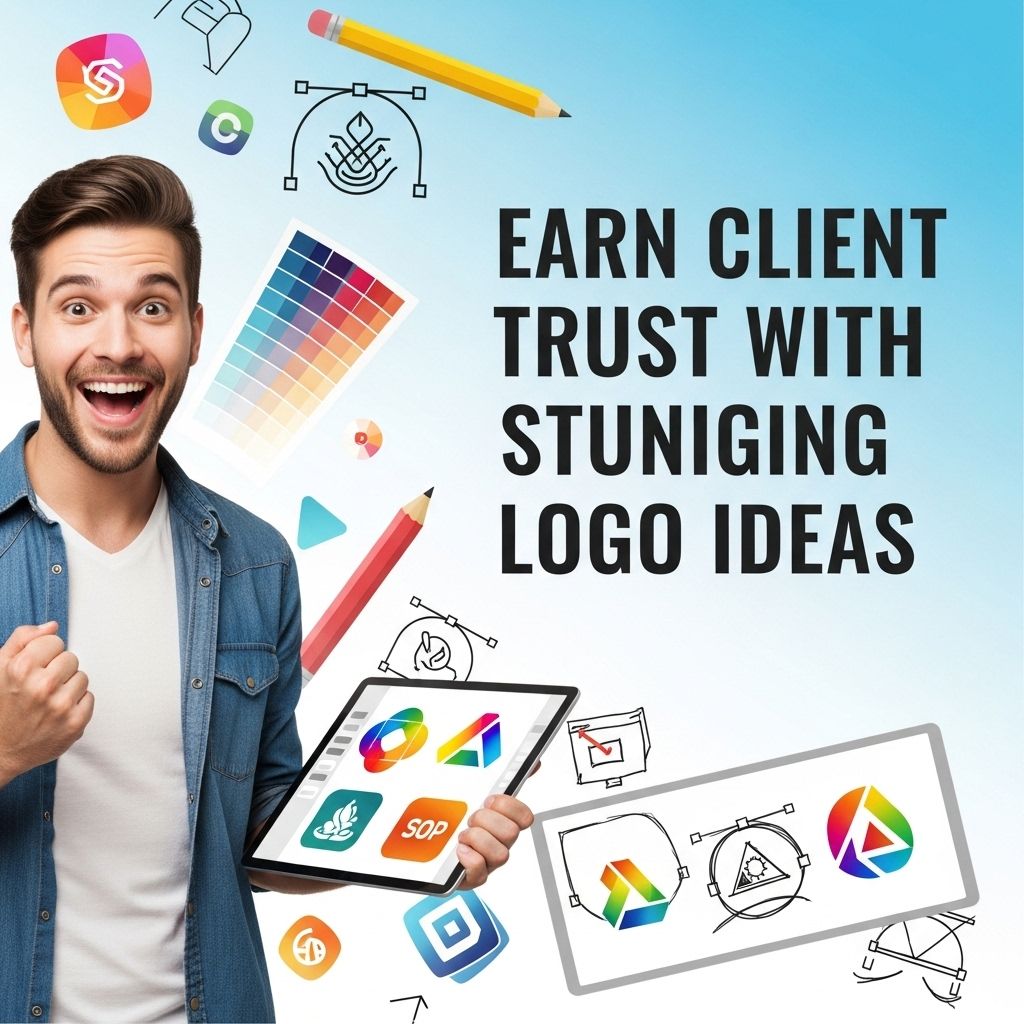
In the competitive world of business, a logo serves as a crucial element of brand identity. It not only encapsulates the essence of a company but also plays a pivotal role in building trust with clients. In this article, we’ll explore the intricacies of designing stunning logo ideas that not only captivate but also foster trust among potential clients. We will delve into various design principles, the psychology behind color choices, and practical design tips that can help you create a logo that resonates with your target audience.
Establishing client trust begins with a strong visual identity, and a stunning logo can set the tone for your brand’s image. Explore a variety of creative concepts and strategies to inspire your design approach, ensuring you capture the essence of your business. Discover some exceptional ideas for logo design through this collection of logo design inspiration.
Table of Contents
Understanding the Importance of a Logo
A logo is often the first point of interaction between a business and its clients. A well-designed logo can convey professionalism, reliability, and value. Here are a few critical reasons why investing time and resources into logo design is essential:
- Brand Recognition: A unique logo helps in creating a strong first impression and assists clients in remembering your brand.
- Trust Building: A professional logo demonstrates that you are serious about your business and care about quality.
- Differentiate from Competitors: An effective logo sets you apart in a crowded market by reflecting your unique selling proposition.
Key Elements of Logo Design
To design a logo that captures attention and builds trust, several key elements must be considered:
1. Simplicity
Simplicity is often the most effective approach in logo design. A simple logo is easily recognizable, memorable, and versatile. Here are some points to consider:
- Use minimal elements that convey your brand’s message.
- Avoid cluttered designs that may confuse viewers.
- Ensure scalability – your logo should look good on everything from business cards to billboards.
2. Relevance
Your logo should be relevant to your industry and target audience. Consider the following:
- Research competitor logos to understand industry standards.
- Incorporate design elements that reflect your brand values and mission.
3. Color Psychology
| Color | Emotion/Message |
|---|---|
| Blue | Trust, Security |
| Red | Passion, Energy |
| Green | Growth, Health |
| Yellow | Optimism, Cheerfulness |
| Black | Elegance, Authority |
Choosing the right color can significantly impact how clients perceive your brand. Always consider the emotional response different colors elicit.
The Logo Design Process
Creating a stunning logo involves a systematic approach. Below is a step-by-step guide:
Step 1: Define Your Brand
Before diving into design, take time to define your brand’s mission, values, and target audience. Ask yourself:
- What message do I want my logo to convey?
- Who are my primary clients?
Step 2: Brainstorm Ideas
Gather your thoughts and start sketching initial concepts. Consider using mood boards to compile visuals that inspire you.
Step 3: Digital Design
Once you have a few solid sketches, move to design software. Popular tools include:
- Adobe Illustrator
- Canva
- CorelDRAW
Step 4: Solicit Feedback
Gather input from colleagues, friends, or potential customers. Use surveys or informal focus groups to gain perspective.
Step 5: Revise and Finalize
Based on feedback, make necessary adjustments. Ensure that the final logo works well in various applications, such as:
- Digital media (web, social media)
- Printed materials (business cards, flyers)
- Merchandise (t-shirts, mugs)
Common Mistakes to Avoid
Even experienced designers can make mistakes. Here are some common pitfalls to avoid:
- Overcomplicating the Design: Remember, less is often more. Focus on simplicity.
- Ignoring Scalability: Make sure your logo looks good at any size.
- Failing to Research: Understand your competitors and market before designing.
- Using Trends Over Timeless Design: Trends come and go; aim for a design that will last.
Inspiration for Logo Design
Finding inspiration can spur creativity. Here are several sources you might consider:
- Online platforms like Behance and Dribbble
- Design books and magazines
- Nature, architecture, and other art forms
- Client feedback and brand essence
Conclusion
Creating a logo that earns client trust is no small feat, but by understanding the essential elements of design and following a structured process, you can craft something truly remarkable. Remember to focus on clarity, relevance, and emotional impact while being mindful of common pitfalls. As you embark on your logo design journey, take your time and appreciate the process, and the results will be worth it.
FAQ
What makes a logo design effective?
An effective logo design is simple, memorable, versatile, and relevant, clearly representing the brand’s identity and values.
How can I ensure my logo resonates with my target audience?
To ensure your logo resonates, research your target audience’s preferences and incorporate elements that reflect their values and interests.
What are some popular logo design trends to consider?
Some popular logo design trends include minimalism, geometric shapes, hand-drawn elements, and vintage styles, but it’s essential to choose what aligns best with your brand.
How do colors impact logo design?
Colors can evoke emotions and convey messages; for example, blue often represents trust, while red can signify excitement. Choosing the right color palette is crucial for brand perception.
Should I hire a professional designer or use logo design software?
Hiring a professional designer can provide a unique and tailored logo, while logo design software may be suitable for simpler projects. Assess your budget and brand needs.