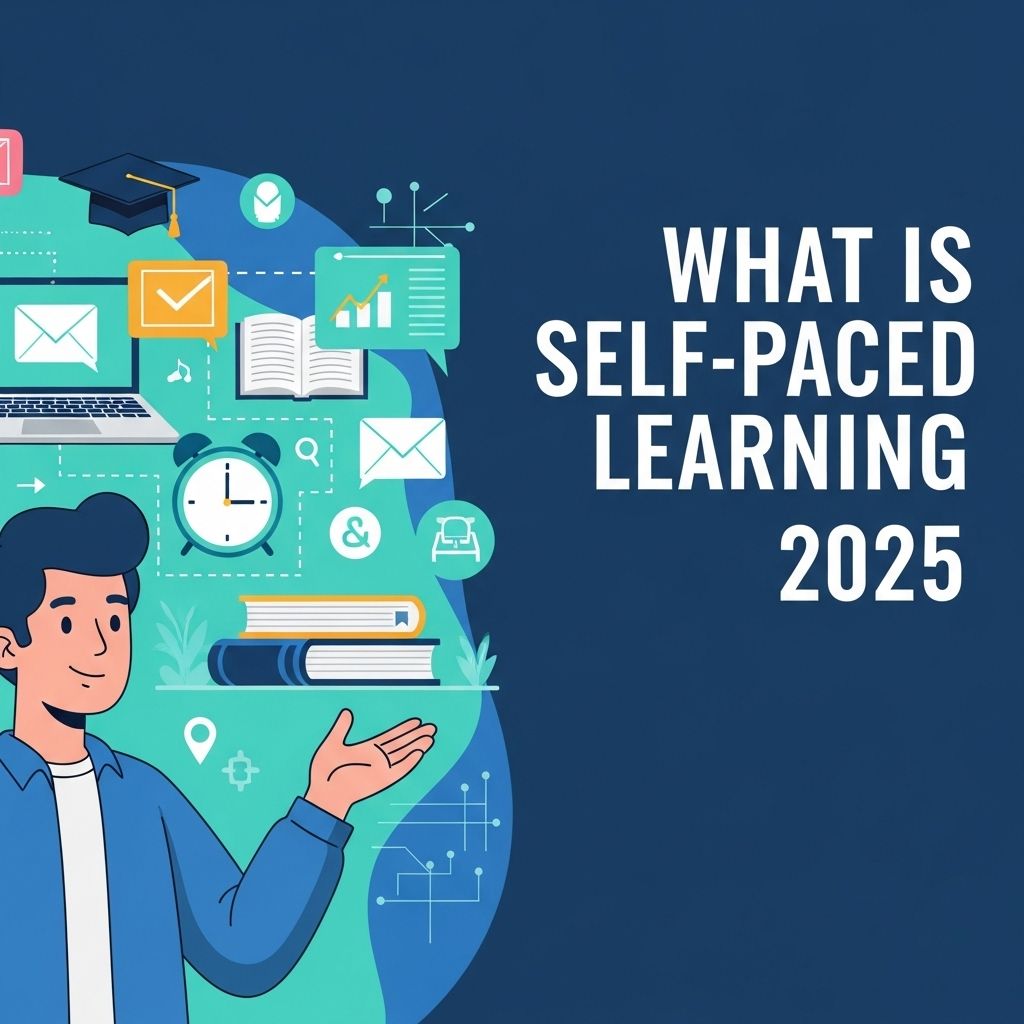
In the rapidly evolving landscape of education, self-paced learning has emerged as a prominent model that caters to the diverse needs of learners. The concept, which allows individuals to control their own learning speed, has gained significant traction, especially in the wake of digital transformation and the rise of online learning platforms. As we move towards 2025, this approach is likely to become even more integrated into our educational systems, providing opportunities for mastery and personalized learning pathways.
As we navigate through 2025, understanding self-paced learning becomes increasingly crucial in an ever-evolving educational landscape. This approach allows learners to tailor their experiences according to individual needs and preferences, ultimately fostering a more engaging and effective learning environment. To explore more about creative resources in education, check out these varieties of bag mockups.
Table of Contents
The Evolution of Self-Paced Learning
Self-paced learning is not a new phenomenon; it has its roots in traditional educational practices where learners could progress at their own speed. However, several factors have contributed to its evolution over the years:
- Technological Advancements: The proliferation of online learning platforms, mobile apps, and educational technologies has made self-paced learning more accessible.
- Shift in Learning Paradigms: There has been a shift towards learner-centered education, emphasizing the importance of personalized learning experiences.
- Global Connectivity: The internet has connected learners around the world, allowing them to engage with diverse content and resources.
Key Features of Self-Paced Learning
Self-paced learning is characterized by several defining features that set it apart from traditional educational models:
1. Flexibility
Students can choose when and where they want to study, allowing them to balance other commitments such as work or family.
2. Personalized Learning Pathways
Individuals can tailor their learning experiences based on their interests, strengths, and weaknesses. This customization enables learners to focus on areas that require more attention while progressing quickly through topics they grasp easily.
3. Mastery-Based Progression
Students can advance to the next level only after demonstrating a thorough understanding of the material. This approach emphasizes mastery rather than mere completion.
4. Continuous Feedback
Many self-paced programs provide instant feedback, allowing learners to address misconceptions promptly and stay motivated.
Benefits of Self-Paced Learning
The advantages of self-paced learning are numerous, and they contribute to its growing popularity:
| Benefit | Description |
|---|---|
| Autonomy | Students take ownership of their learning, fostering greater engagement. |
| Improved Retention | Learning at one’s own pace allows for deeper understanding and better retention of information. |
| Accessibility | Online platforms make education available to a wider audience, including those in remote areas. |
| Cost-Effectiveness | Self-paced courses often reduce the overall cost of education by eliminating many traditional expenses. |
Challenges of Self-Paced Learning
While self-paced learning has its advantages, it is not without challenges:
- Self-Motivation Required: Learners need to be highly self-motivated to succeed in a self-paced environment, which can be a barrier for some.
- Potential for Procrastination: The flexibility of self-paced learning may lead to procrastination if not managed effectively.
- Lack of Immediate Support: Unlike traditional classrooms, self-paced learners may not have immediate access to instructors for clarification or support.
The Role of Technology in Self-Paced Learning
Technology plays a crucial role in facilitating self-paced learning. Here are some key technologies contributing to its growth:
1. Learning Management Systems (LMS)
LMS provides a centralized platform where learners can access courses, track progress, and engage with peers.
2. Mobile Learning Applications
Mobile apps enable learners to study on-the-go, increasing accessibility and convenience.
3. Interactive Multimedia
Videos, simulations, and gamified content enhance the learning experience, making it more engaging.
Future Trends in Self-Paced Learning (2025 and Beyond)
As we look ahead to 2025, several trends are likely to shape the future of self-paced learning:
1. Integration of Artificial Intelligence
AI will play a significant role in personalizing learning experiences by analyzing learner data and adapting content to meet individual needs.
2. Increased Use of Virtual and Augmented Reality
VR and AR technologies will provide immersive learning experiences, enabling learners to explore complex subjects in an engaging way.
3. Expansion of Microlearning
Microlearning, which breaks down information into smaller, easily digestible segments, will become more prevalent, allowing for quick learning sessions that fit into busy schedules.
Conclusion
Self-paced learning is set to become a cornerstone of education as we approach 2025. Its ability to provide flexibility, personalization, and mastery-based progression aligns well with the demands of modern learners. By leveraging technology and addressing the challenges associated with self-paced models, stakeholders can harness the full potential of this innovative approach to learning. As we continue to explore and refine self-paced learning methodologies, the future of education looks bright and promising.
FAQ
What is self-paced learning?
Self-paced learning is an educational approach that allows individuals to learn at their own speed, choosing when and how they engage with course materials.
How does self-paced learning work?
In self-paced learning, learners progress through the curriculum according to their personal schedule, taking time they need to understand concepts before moving on.
What are the benefits of self-paced learning?
Benefits of self-paced learning include increased flexibility, personalized learning experiences, and the ability to revisit challenging topics as needed.
Who can benefit from self-paced learning?
Self-paced learning is beneficial for a wide range of learners, including busy professionals, students with varying learning speeds, and anyone seeking a more tailored educational experience.
What tools are commonly used in self-paced learning?
Common tools for self-paced learning include online courses, educational apps, video lectures, and interactive learning platforms that provide access to resources anytime.