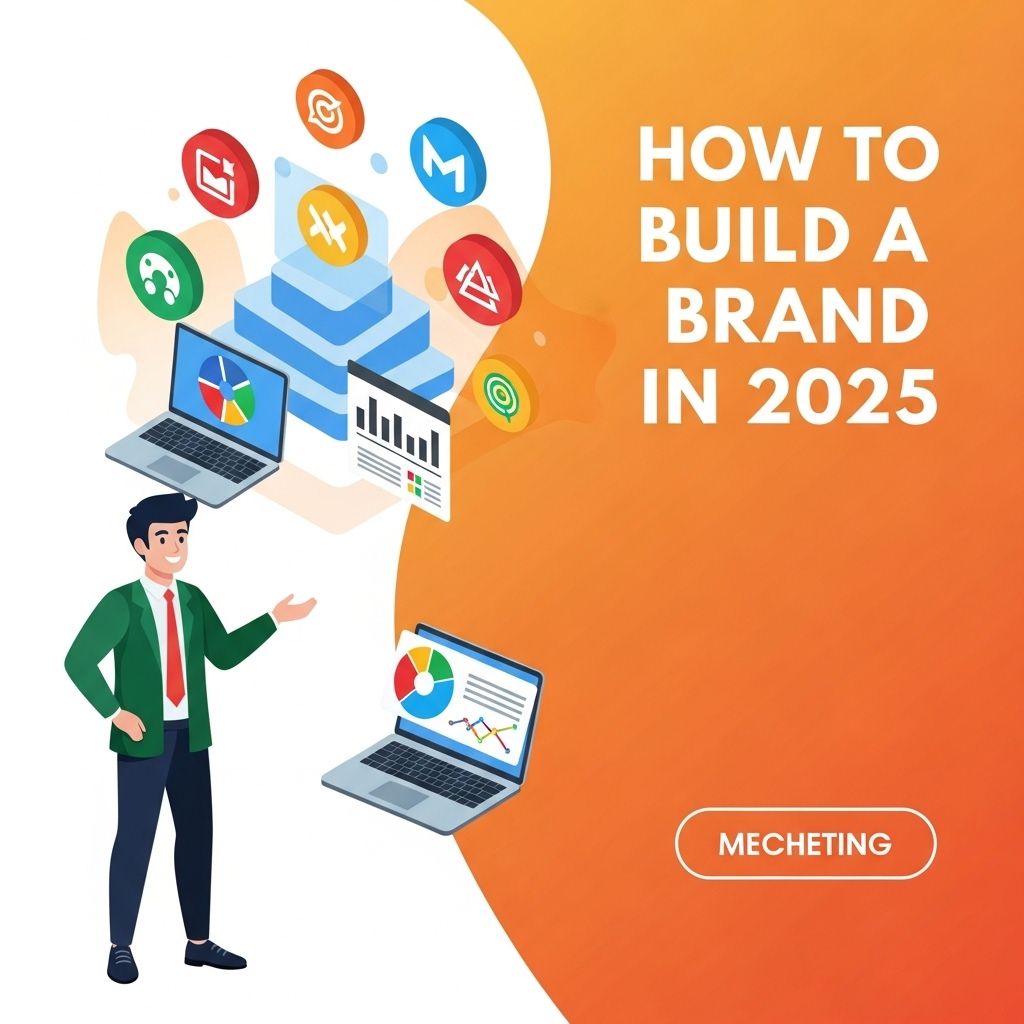
In the rapidly evolving landscape of digital marketing and branding, establishing a strong brand presence is more important than ever. As we move closer to 2025, the strategies for building a brand have shifted significantly, adapting to new technologies, consumer behaviors, and market trends. This article serves as a comprehensive guide for entrepreneurs and marketers looking to build a powerful brand that resonates with their target audience.
As we move into 2025, building a powerful brand requires a keen understanding of the digital landscape and consumer preferences. Utilizing innovative tools, such as using bag mockups for branding, can enhance visual storytelling and create a lasting impression. Emphasizing authenticity and engagement will be key to connecting with audiences in this evolving market.
Table of Contents
Understanding the Foundation of Branding
Branding is not just about a catchy logo or a memorable tagline; it’s about creating a significant identity that communicates your values, mission, and the experience you offer. Here are the key components of branding:
- Brand Identity: This includes your logo, color scheme, typography, and overall visual style.
- Brand Voice: The tone and manner in which you communicate with your audience.
- Brand Values: The core principles that guide your business practices.
- Brand Experience: The cumulative impact of every interaction a customer has with your brand.
Research and Define Your Target Audience
To build a brand that resonates, you need to know who your audience is. Conduct thorough research to understand their preferences, pain points, and behaviors. Here are some essential steps:
Identify Demographics
Begin with demographic research to understand the basic characteristics of your target audience:
| Demographic | Details |
|---|---|
| Age | Gen Z, Millennials, Gen X, etc. |
| Gender | Male, Female, Non-binary |
| Location | Urban, Suburban, Rural |
| Income Level | Low, Middle, High |
Conduct Psychographic Analysis
Beyond demographics, delve into the psychographics of your target market:
- Interests: What do they enjoy doing?
- Values: What principles guide their choices?
- Lifestyle: What does a typical day look like for them?
Crafting Your Brand Strategy
Once you have a clear understanding of your audience, the next step is to craft a brand strategy that aligns with their needs and expectations. Here’s how to approach it:
Develop a Unique Selling Proposition (USP)
Your USP is what sets you apart from competitors. It should clearly articulate why customers should choose your brand over others.
Create a Brand Story
People connect with stories. A compelling brand narrative can foster emotional connections with your audience. Consider the following elements:
- Origin: How was your brand conceived?
- Mission: What problem are you solving?
- Vision: Where do you see your brand heading?
Building an Online Presence
In today’s digital age, a strong online presence is critical. Here are key strategies to consider:
Website Development
Your website is often the first impression customers have of your brand. Ensure it is user-friendly, mobile-responsive, and optimized for search engines (SEO).
Social Media Engagement
Social media platforms are essential for brand visibility and engagement. Consider these tips:
- Choose the Right Platforms: Focus on where your audience spends their time.
- Consistent Posting: Keep your audience engaged with regular updates.
- Interactive Content: Encourage audience participation through polls, quizzes, and Q&As.
Leveraging Influencer Marketing
Influencer marketing has become a powerful tool for brand promotion. Collaborating with influencers can help expand your reach and credibility. Here’s how to do it effectively:
- Identify Relevant Influencers: Look for individuals whose values align with your brand.
- Evaluate Engagement: Prioritize influencers who have a genuine connection with their audience.
- Develop Authentic Collaborations: Work together to create content that feels organic and resonates with both audiences.
Utilizing Data Analytics
The ability to measure and analyze data is crucial for refining your branding strategies. Key performance indicators (KPIs) to monitor include:
- Website Traffic: How many visitors are coming to your site?
- Conversion Rates: What percentage of visitors take a desired action?
- Engagement Metrics: How are your social media posts performing?
Tools for Data Collection
Consider using these analytics tools to gather valuable insights:
| Tool | Purpose |
|---|---|
| Google Analytics | Monitor website traffic and user behavior. |
| Hootsuite | Manage social media accounts and track engagement. |
| SEMrush | Conduct SEO and keyword research. |
Adapting to Market Trends
Staying current with market trends is essential for brand longevity. Some trends to watch for in 2025 include:
- Personalization: Consumers expect tailored experiences.
- Sustainability: Eco-friendly practices can enhance brand loyalty.
- AI Integration: Utilizing artificial intelligence for customer service and marketing.
Building Brand Loyalty
Once you establish your brand, the next step is to cultivate loyalty among your customers.
Customer Engagement Strategies
Engage with your audience through various channels:
- Email Marketing: Keep your customers informed with newsletters and exclusive offers.
- Reward Programs: Implement loyalty programs to incentivize repeat purchases.
- Community Building: Foster a sense of belonging through online forums and social media groups.
Measuring Brand Equity
Finally, it’s important to assess the effectiveness of your branding efforts. Brand equity can be measured through:
- Brand Awareness: Are consumers familiar with your brand?
- Brand Associations: What do consumers think of when they hear your brand name?
- Perceived Quality: How do customers view the quality of your products/services?
Conclusion
Building a brand in 2025 requires a multifaceted approach that incorporates understanding your audience, leveraging technology, and adapting to changing market conditions. By focusing on creating a unique identity, engaging with your audience, and continuously measuring your success, you can establish a brand that not only stands out but also fosters loyalty and growth in the long term.
FAQ
What are the key steps to building a brand in 2025?
To build a brand in 2025, focus on defining your brand identity, understanding your target audience, creating a strong online presence, engaging on social media, and ensuring consistency across all platforms.
How important is digital marketing for brand building in 2025?
Digital marketing is crucial for brand building in 2025 as it allows for targeted outreach, real-time engagement with consumers, and the ability to track and analyze performance metrics.
What role does social media play in brand development in 2025?
Social media plays a vital role in brand development in 2025 by providing platforms for direct communication with customers, fostering community, and enhancing brand visibility.
How can I differentiate my brand from competitors in 2025?
Differentiate your brand in 2025 by identifying your unique value proposition, focusing on exceptional customer service, and leveraging innovative marketing strategies.
What trends should I consider when building my brand in 2025?
Key trends to consider include sustainability, personalization, the use of artificial intelligence, and the importance of authenticity and social responsibility.
How can I measure the success of my brand in 2025?
Measure your brand’s success in 2025 through metrics such as brand awareness, customer engagement, sales growth, and customer feedback.