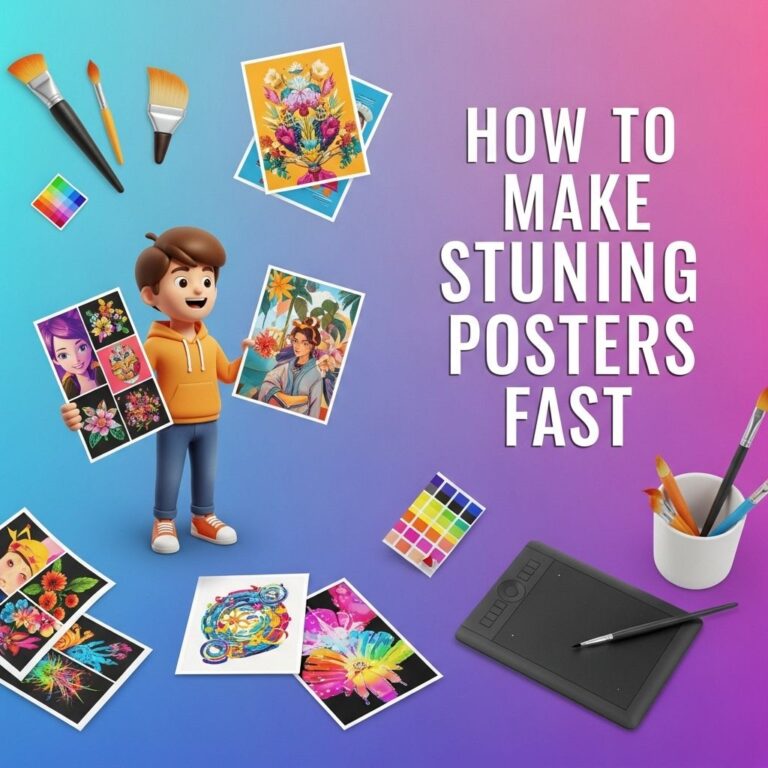
In the world of design, the poster is a powerful medium for communication. Whether you’re promoting an event, showcasing a product, or conveying a message, a well-designed poster can capture attention and engage viewers. With countless options available, finding the right layout can be daunting. This article explores ten creative poster layout ideas that will help you stand out in a crowded marketplace.
Exploring innovative poster layouts can elevate your design projects and captivate your audience. Whether you’re promoting an event or showcasing art, creative poster ideas can make a significant impact. Discover unique concepts and inspiration with these 10 creative poster layout ideas you must try: creative poster ideas.
Table of Contents
1. The Grid Layout
The grid layout is a classic choice for posters. It provides structure and organization, making it easy for viewers to digest information. Here’s how to implement it:
- Divide your poster into equal sections using a grid.
- Place images and text within the grid spaces.
- Maintain consistent margins and padding for a clean appearance.
Benefits of the Grid Layout
This layout is particularly effective for:
- Event schedules
- Infographics
- Product features
2. The Asymmetrical Layout
For a more dynamic and modern feel, consider an asymmetrical layout. This approach breaks the traditional grid structure and allows for more creative freedom.
Tips for Creating an Asymmetrical Layout
- Use varying sizes of images and text blocks.
- Balance the elements by considering visual weight.
- Incorporate negative space effectively to avoid clutter.
3. The Minimalist Approach
Sometimes less is more. The minimalist poster layout emphasizes simplicity, focusing on essential elements.
Characteristics of Minimalist Posters
- Limited color palette
- Ample white space
- Clear, bold typography
4. Text-Centric Design
Text can be a compelling visual element. A text-centric design emphasizes typography to convey the message powerfully.
Implementing a Text-Centric Design
Consider the following:
- Choose bold fonts that stand out.
- Play with font sizes to create hierarchy.
- Use contrasting colors to enhance readability.
5. The Illustrated Approach
Integrating custom illustrations can add a personal touch to your poster. This style works well for creative projects or branding.
Benefits of Using Illustrations
- Unique visuals that can’t be replicated.
- Opportunity to express brand personality.
- Can simplify complex ideas into digestible imagery.
6. The Collage Layout
A collage layout combines various images, textures, and typography to create a visually striking poster.
Creating a Successful Collage
- Select images that complement each other.
- Layer elements for depth.
- Use color filters for a cohesive look.
7. The Infographic Style
Infographics are a fantastic way to convey information quickly. This style combines graphics with data, making it visually appealing and informative.
Elements to Include in an Infographic Poster
| Element | Description |
|---|---|
| Charts | Visual representations of data. |
| Icons | Simple graphics that represent ideas. |
| Statistics | Key facts that support your message. |
8. The Interactive Layout
With technology advancing, interactive posters are becoming increasingly popular. These layouts engage viewers by incorporating QR codes, augmented reality, or other interactive elements.
Examples of Interactive Elements
- QR codes that link to additional content.
- Augmented reality features for an immersive experience.
- Interactive posters that change when viewed from different angles.
9. The Retro Style
For a nostalgic touch, consider a retro or vintage poster layout. This style often uses muted colors, traditional fonts, and retro imagery.
Creating a Retro Look
- Choose a color palette reminiscent of the desired era.
- Incorporate vintage fonts.
- Use textures to give a worn appearance.
10. The Full-bleed Design
Finally, a full-bleed layout allows images or colors to extend to the edges of the poster, creating a bold and eye-catching impact.
Best Practices for Full-bleed Design
- Ensure high-resolution images for clarity.
- Consider the bleed area when designing.
- Use strong visuals that draw the eye.
Conclusion
Choosing the right poster layout can significantly impact how your message is received. By experimenting with these creative ideas, you can create posters that not only communicate effectively but also capture attention and leave a lasting impression. Remember to keep your audience in mind and let your creativity shine through every design choice!
FAQ
What are some popular poster layout ideas?
Some popular poster layout ideas include grid layouts, asymmetrical designs, minimalistic approaches, typographic focus, and illustrated backgrounds.
How can I create a balanced poster layout?
To create a balanced poster layout, use the rule of thirds, maintain visual hierarchy, and ensure even distribution of elements throughout the design.
What tools can I use to design a creative poster?
You can use tools like Adobe Illustrator, Canva, Photoshop, and InDesign to design creative posters.
What elements should I consider for a striking poster?
Key elements to consider for a striking poster include bold typography, contrasting colors, high-quality images, and a clear focal point.
How do colors affect poster design?
Colors affect poster design by influencing emotions and attracting attention. Choosing a harmonious color palette can enhance the overall appeal of your poster.
What is the importance of whitespace in poster design?
Whitespace is important in poster design as it creates breathing space, enhances readability, and helps to highlight key elements without overwhelming the viewer.