In the competitive landscape of branding, a logo serves as the face of a company. It encapsulates the essence of a brand while leaving a lasting impression on potential customers. However, creating a compelling logo is no easy feat. Many businesses, especially startups, often rush the design process or make common mistakes that can be detrimental to their brand identity. In this article, we will explore seven costly logo design mistakes that you should avoid to ensure your logo stands out for the right reasons.
Creating a memorable logo is crucial for establishing a brand’s identity, yet many businesses stumble due to common design mistakes. To help you avoid these pitfalls, we’ve compiled a list of the seven most costly mistakes in logo design that can hinder your brand’s success. For inspiration and guidance on effective brand identity designs, check out these resources: brand identity designs.
Table of Contents
Understanding the Importance of a Good Logo
A logo is more than just an image; it’s a critical component of your brand’s identity. It conveys your brand’s values, personality, and mission in a visually appealing way. Here’s why a well-designed logo is vital:
- First Impressions Matter: A logo is typically the first thing a potential customer notices about your brand.
- Brand Recognition: A unique and memorable logo helps your audience recognize your brand quickly.
- Professionalism: A polished logo conveys credibility and trustworthiness.
- Differentiation: A well-designed logo sets you apart from competitors in your industry.
Mistake #1: Neglecting Research
Before diving into the design process, it’s crucial to conduct thorough research.
Why Research Matters
Research helps in understanding market trends, competitor logos, and target audience preferences.
- Study your competitors to see how they portray their brand.
- Identify design trends within your industry.
- Understand your target audience’s aesthetic preferences.
Mistake #2: Overcomplicating the Design
Simplicity is key to effective logo design. However, many brands fall into the trap of overcomplicating their logos. A complex logo may look impressive at first glance but can be confusing when scaled down or viewed from a distance.
Key Elements of a Simple Logo
- Clarity: Ensure your logo communicates your brand message clearly.
- Scalability: It should look good in both large formats (like billboards) and small formats (like business cards).
- Versatility: Your logo should work in color as well as in black and white.
Mistake #3: Ignoring Color Psychology
Colors evoke emotions and convey messages. Choosing the right colors for your logo can significantly influence how your brand is perceived.
Basic Color Associations
| Color | Emotion | Usage |
|---|---|---|
| Red | Passion, urgency | Food, tech |
| Blue | Trust, calm | Finance, healthcare |
| Green | Growth, health | Environment, wellness |
| Yellow | Optimism, clarity | Food, children |
| Purple | Luxury, creativity | Beauty, fashion |
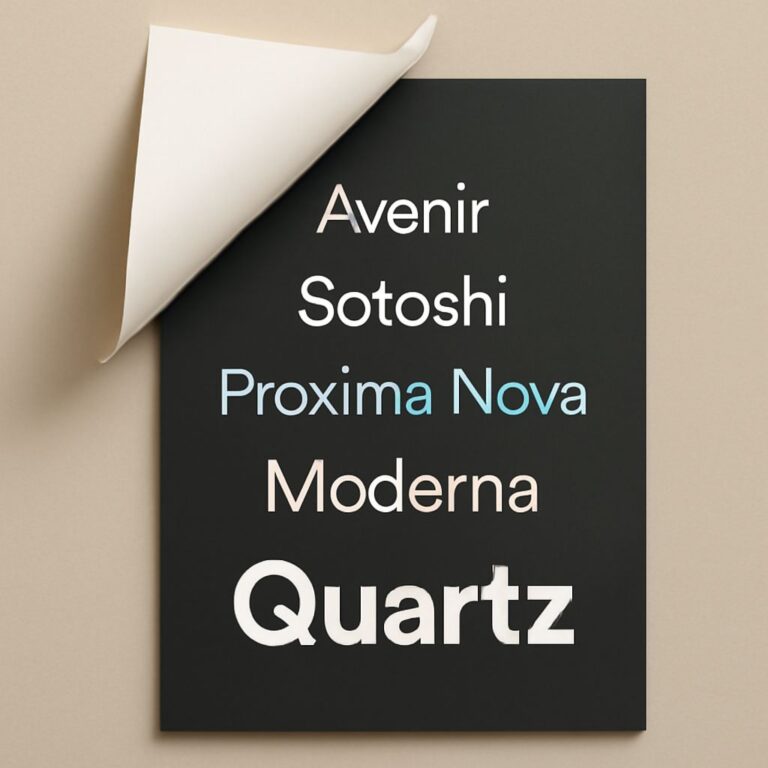
Mistake #4: Using Inappropriate Fonts
The choice of font can make or break your logo. Fonts convey personality and professionalism, and using the wrong one can send mixed messages.
Font Selection Tips
- Choose a font that aligns with your brand’s values.
- Avoid overly decorative fonts that can be hard to read.
- Limit yourself to two fonts, one for the logo and one for the tagline.
Mistake #5: Forgetting Adaptability
In today’s digital age, your logo will appear in various formats—on websites, social media, merchandise, and print. If your logo isn’t adaptable, it may not look good in all contexts.
Creating an Adaptable Logo
- Design with multiple formats in mind: digital, print, large, and small sizes.
- Ensure your logo is recognizable even when scaled down.
- Test your logo in different contexts before finalizing the design.
Mistake #6: Failing to Seek Feedback
Design is subjective, and personal bias can cloud judgment. It’s essential to get feedback from others to refine your logo.
Effective Feedback Strategies
- Share drafts with team members, friends, or potential customers.
- Conduct polls to gauge reactions to different design options.
- Be open to constructive criticism and ready to make changes.
Mistake #7: Rushing the Design Process
In the fast-paced world of business, it’s easy to rush the logo design process. However, taking your time can save you from costly mistakes down the line.
Steps for a Thoughtful Design Process
- Set aside adequate time for brainstorming and sketching ideas.
- Allow for multiple iterations to refine the design.
- Consider hiring a professional designer if necessary.
Conclusion
A logo is a foundational element of your brand’s identity. By avoiding these seven costly mistakes—neglecting research, overcomplicating the design, ignoring color psychology, using inappropriate fonts, forgetting adaptability, failing to seek feedback, and rushing the process—you can create a logo that not only looks good but also resonates with your audience. Invest the time and effort necessary to design a logo that effectively represents your brand, and it will serve you well in the long run.
FAQ
What are common mistakes in logo design?
Common mistakes in logo design include overcomplicating the design, using too many colors, and failing to ensure the logo is scalable.
How can I avoid making costly logo design mistakes?
To avoid costly mistakes, simplify your design, stick to a limited color palette, and test your logo in various sizes and formats.
Why is scalability important in logo design?
Scalability is important because your logo should be recognizable and clear whether it’s displayed on a business card or a billboard.
What role do colors play in logo design?
Colors play a vital role in logo design as they evoke emotions and can influence brand perception, so choose colors that align with your brand’s values.
Should I use trendy designs for my logo?
It’s best to avoid overly trendy designs, as they may become outdated quickly. Aim for a timeless look that represents your brand well.
How important is feedback in the logo design process?
Feedback is crucial in the logo design process as it provides different perspectives, helping you refine your design and ensure it resonates with your target audience.