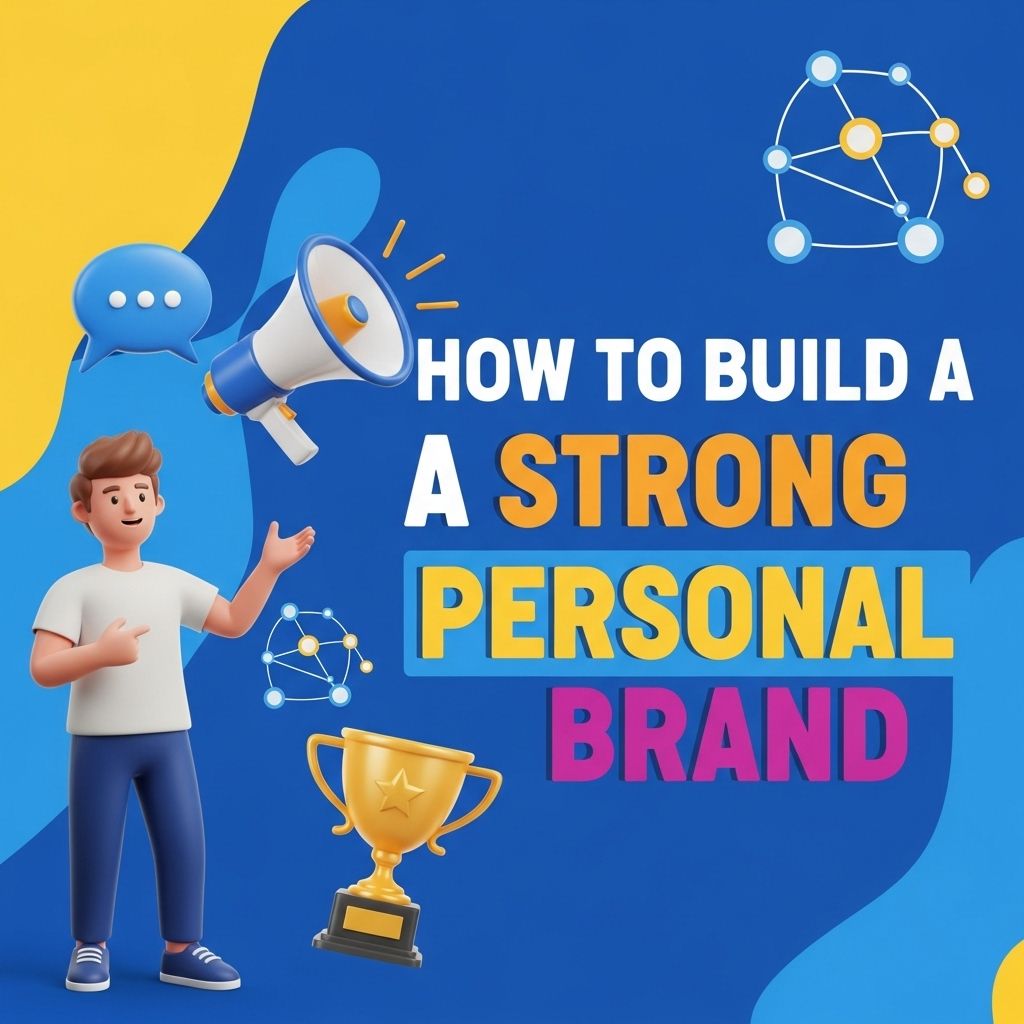
In today’s digital age, the concept of personal branding has evolved into something much more complex than simply having a catchy tagline or a polished resume. It encompasses how you present yourself to the world, the stories you share, and the influence you wield across different platforms. Building a strong personal brand is essential for standing out in a crowded marketplace, whether you’re an entrepreneur, freelancer, or part of a corporate team. This article delves into the steps and strategies necessary for crafting a personal brand that resonates with your target audience.
In 2023, building a strong personal brand requires authenticity, clarity, and consistency across all platforms. By defining your unique value proposition and actively engaging with your audience, you can enhance your visibility and establish trust. Utilizing resources such as best bag mockup designs can help visually communicate your brand identity effectively.
Table of Contents
Understanding Personal Branding
Personal branding is not simply about self-promotion; it’s about defining who you are and what you stand for. It involves creating a narrative that reflects your values, passion, and professionalism. A strong personal brand fosters trust and loyalty, encouraging your audience to engage with your content and services.
The Importance of Personal Branding
- Distinguishes you from competitors
- Enhances your visibility and credibility
- Attracts more opportunities for collaboration
- Builds a community around your expertise
- Facilitates professional growth and networking
Defining Your Brand
To create a compelling personal brand, you first need to understand what it is you want to communicate. This begins with introspection and analysis.
Self-Assessment
Start by asking yourself the following questions:
- What are my core values?
- What unique skills and experiences do I bring to the table?
- Who is my target audience?
- What message do I want to convey?
- What are my long-term goals?
By answering these questions, you can start to form a clear picture of your personal brand.
Creating Your Online Presence
In the modern world, much of your personal branding will occur online. Here are the key platforms and methods to establish your presence:
Choosing the Right Platforms
Focus on the platforms that align best with your professional goals:
| Platform | Purpose | Best For |
|---|---|---|
| Professional networking | Job seekers, industry professionals | |
| Real-time engagement | Thought leaders, influencers | |
| Visual storytelling | Creatives, lifestyle brands | |
| Community building | Local businesses, groups | |
| Medium | Content sharing | Writers, educators |
Optimizing Your Profiles
Once you’ve chosen your platforms, make sure to optimize your profiles:
- Profile Picture: Use a clear, high-quality image that reflects your personality.
- Bio/About Section: Write a concise description that highlights your skills and interests.
- Links: Include links to your website, portfolio, or other relevant content.
- Consistent Branding: Use the same color scheme, fonts, and logos across platforms.
Content Creation
Content creation is a powerful tool to communicate your personal brand. The content you produce should reflect your expertise, engage your audience, and provide value.
Types of Content to Create
- Blog Posts: Share your thoughts and insights on industry trends.
- Videos: Create tutorials or thought pieces that showcase your skills.
- Podcasts: Interview industry experts or discuss relevant topics.
- Infographics: Present data visually to make complex information digestible.
Engaging with Your Audience
Building a personal brand is not a solitary endeavor. Engage with your audience regularly:
- Respond to comments and messages
- Participate in discussions on social media
- Host live Q&A sessions
- Collaborate with others in your field
Networking and Building Relationships
Your personal brand will benefit greatly from the relationships you build. Networking helps in creating opportunities and expanding your influence.
Strategies for Effective Networking
- Attend Industry Events: Participate in conferences, trade shows, and seminars.
- Join Professional Organizations: Engage with relevant groups and forums.
- Leverage LinkedIn: Connect with professionals in your field and engage with their content.
- Online Communities: Join groups on platforms like Facebook or Slack where your target audience congregates.
Measuring Your Brand’s Impact
Building a strong personal brand is an ongoing journey. Regularly evaluate its effectiveness and make necessary adjustments.
Key Metrics to Monitor
- Engagement Rates: Monitor likes, shares, and comments on your posts.
- Website Traffic: Use analytics to track visitors and their behavior.
- Follower Growth: Keep an eye on your follower count across platforms.
- Conversion Rates: Evaluate how many visitors take desired actions, such as signing up for newsletters or purchasing products.
Staying Authentic
One of the most critical elements of personal branding is authenticity. Your audience can often tell when you’re not being genuine. Stay true to your values and beliefs, and don’t be afraid to show your personality. Authenticity fosters trust and strengthens your brand.
Tips for Staying Authentic
- Be transparent about your experiences and challenges.
- Share both successes and failures.
- Engage with your audience authentically.
- Stay true to your voice and style.
Conclusion
Building a strong personal brand requires time, effort, and intentionality. By understanding what defines you, optimizing your online presence, creating valuable content, networking effectively, and staying authentic, you can cultivate a brand that not only resonates with your audience but also opens doors to new opportunities. Remember, your personal brand is a reflection of who you are—make it count.
FAQ
What are the key elements of a strong personal brand?
A strong personal brand includes authenticity, clarity of message, consistent online presence, and engaged audience interaction.
How can I define my personal brand?
To define your personal brand, identify your core values, unique skills, and the message you want to convey to your audience.
Why is consistency important in personal branding?
Consistency builds trust and recognition; it ensures your audience knows what to expect from you across all platforms.
What platforms should I use to build my personal brand?
Choose platforms where your target audience engages, such as LinkedIn, Instagram, or personal blogs, to showcase your expertise.
How can I measure the success of my personal brand?
You can measure success through engagement metrics, follower growth, and feedback from your audience on various platforms.
What role does storytelling play in personal branding?
Storytelling is crucial in personal branding as it helps connect emotionally with your audience, making your brand more relatable and memorable.