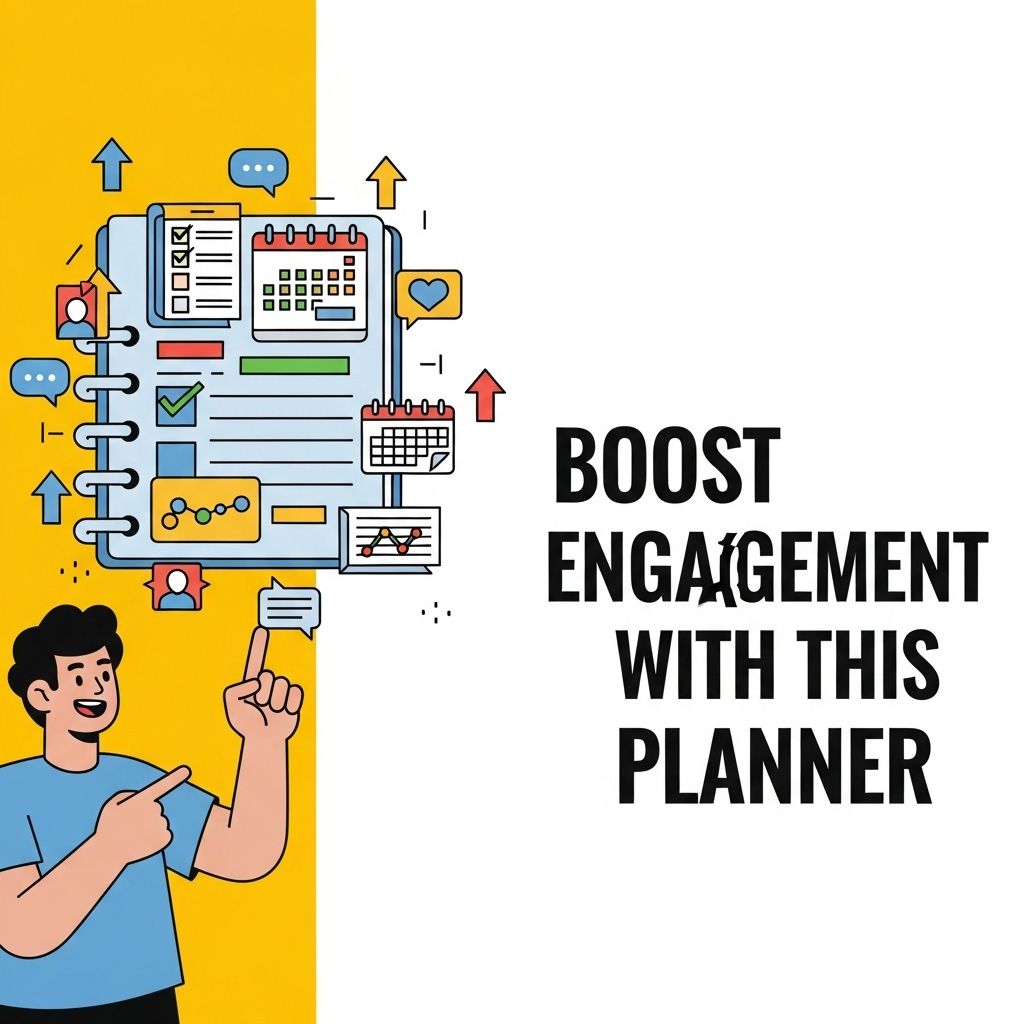
In today’s fast-paced world, effective planning and organization is crucial for improving productivity and achieving goals. Whether you’re a student juggling multiple assignments, a professional managing projects, or an entrepreneur navigating the complexities of business, a well-structured planner can be your best ally. This article dives into various aspects of planning tools and techniques that can significantly boost engagement and enhance your overall efficiency.
Discover how to enhance your creative projects and boost engagement with this ultimate planner. Featuring a range of tools and strategies, you’ll be equipped to organize your ideas effectively and make a lasting impression. For inspiration, check out these realistic bag mockup examples to elevate your presentations.
Table of Contents
Understanding the Importance of Planning
Planning is not just about keeping track of appointments and deadlines; it’s about creating a roadmap that guides you toward your goals. Here are some key reasons why effective planning is essential:
- Increases Productivity: A clear plan helps prioritize tasks and minimizes distractions.
- Reduces Stress: Knowing what to do and when can alleviate anxiety about upcoming tasks.
- Enhances Focus: A structured approach to your day can improve concentration and effectiveness.
- Facilitates Goal Achievement: Setting actionable steps makes it easier to reach long-term objectives.
Types of Planners
There is a myriad of planning tools available, each tailored for different needs. Here’s an outline of some popular planner types:
1. Digital Planners
Digital planners offer flexibility and accessibility. Some popular digital planning apps include:
- Notion
- Todoist
- Trello
These platforms often come with features like reminders, collaboration tools, and cloud storage.
2. Paper Planners
Many people prefer the tactile experience of writing in a paper planner. Popular choices include:
- Bullet Journals
- Daily/Weekly Planners
- Customizable Planners
Paper planners can be personalized with stickers, drawings, and color coding, making planning more engaging.
3. Hybrid Planners
Combining the best of both worlds, hybrid planners offer both physical and digital components. Users can write down tasks in a notebook while tracking progress on an app.
Key Features to Look for in a Planner
When choosing a planner, consider the following features to ensure it meets your needs:
| Feature | Description |
|---|---|
| Customization | The ability to modify layouts, colors, and sections according to personal preferences. |
| Layout Options | Daily, weekly, or monthly views to fit various planning styles. |
| Goal Setting | Sections dedicated to short-term and long-term goal tracking. |
| Progress Tracking | Tools for monitoring task completion and milestones. |
| Integration | Ability to sync with calendars and other productivity tools. |
Strategies for Effective Planning
Having a planner is just the first step; here are strategies to maximize its potential:
1. Set Clear Goals
Define what you want to achieve in both the short-term and long-term. Use the SMART criteria:
- Specific
- Measurable
- Achievable
- Relevant
- Time-bound
2. Prioritize Tasks
Utilize methods like the Eisenhower Matrix to categorize tasks:
- Urgent and Important: Do these tasks immediately.
- Important but Not Urgent: Schedule these tasks.
- Urgent but Not Important: Delegate these tasks if possible.
- Neither Urgent nor Important: Consider dropping these tasks.
3. Review and Reflect
Regularly review your planner to track progress. Set aside time weekly or monthly to reflect on what worked and what didn’t, making adjustments as necessary.
Enhancing Engagement with Your Planner
To truly engage with your planner, consider these tips:
1. Use Color Coding
Color coding tasks can visually segment responsibilities, making it easier to identify priorities and categories. For example:
- Red for urgent deadlines
- Green for personal tasks
- Blue for work-related obligations
2. Incorporate Visuals
Add doodles, inspirational quotes, or stickers to make your planner more visually appealing. This creativity can boost motivation and make planning a more enjoyable activity.
3. Share Your Planning Journey
Consider sharing your planning methods and progress on social media or with peers. This not only keeps you accountable but may also inspire others.
Conclusion
In conclusion, an effective planner is more than just a tool—it’s a companion that can guide you through the complexities of daily life and tasks. By understanding the types of planners available, their key features, and the strategies for effective planning, you position yourself to boost engagement and achieve your goals. Remember, the best planner is one that resonates with your personal style and helps you stay organized, focused, and productive.
FAQ
What is the purpose of the Boost Engagement Planner?
The Boost Engagement Planner is designed to help individuals and teams strategize and enhance their engagement with audiences, whether online or offline.
How can I use the Boost Engagement Planner effectively?
To use the Boost Engagement Planner effectively, set clear goals, outline your target audience, and plan actionable strategies to connect with them.
Who can benefit from using the Boost Engagement Planner?
Anyone looking to improve their communication and engagement strategies, including marketers, content creators, and business leaders, can benefit from using the Boost Engagement Planner.
Is the Boost Engagement Planner suitable for both personal and professional use?
Yes, the Boost Engagement Planner is versatile and can be used for personal projects or professional engagements to enhance interaction and connection.
What features does the Boost Engagement Planner include?
The Boost Engagement Planner includes templates for goal setting, audience analysis, content scheduling, and performance tracking to streamline your engagement efforts.