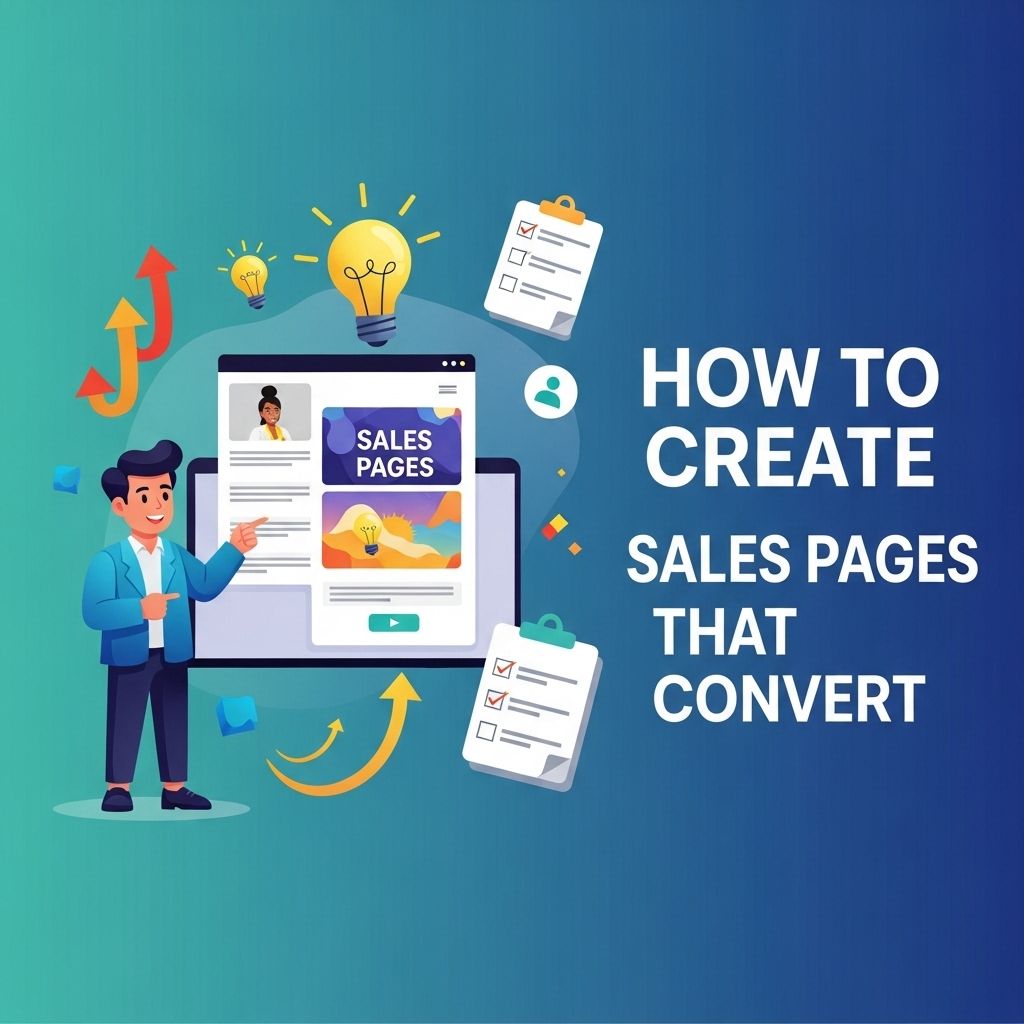
Creating a sales page that converts is essential for any business looking to maximize their online presence and revenue. A well-structured sales page serves as a digital storefront, effectively communicating the value of your products or services while guiding potential customers towards making a purchase decision. In this article, we will explore the critical components of a high-converting sales page, strategies to engage your audience, and tips to optimize your conversions.
Creating high-converting sales pages doesn’t have to be a daunting task. By focusing on clear messaging and appealing visuals, you can engage your audience effectively. For instance, utilizing premium jar designs can greatly enhance the presentation of your products, making them more attractive to potential buyers.
Table of Contents
Understanding the Anatomy of a High-Converting Sales Page
Before diving into the specifics, it is crucial to understand what elements make up a successful sales page. A high-converting sales page typically includes the following components:
- Compelling Headline: Grabs attention and highlights the main benefit.
- Engaging Subheadline: Provides more context and encourages further reading.
- High-Quality Images or Videos: Visuals that depict the product or service effectively.
- Customer Testimonials: Social proof that builds trust and credibility.
- Clear Call to Action (CTA): Directs visitors on what to do next.
- Unique Selling Proposition (USP): Clearly states what sets your offering apart from competitors.
- Pricing Information: Transparent pricing and packaging options.
Crafting the Perfect Headline
The headline is often the first thing visitors see, and it can determine whether they continue reading or bounce away. Here are some tips for crafting headlines that convert:
- Be Clear and Concise: Avoid jargon and stick to simple language that clearly conveys your message.
- Highlight Benefits: Focus on what the customer will gain by taking action.
- Create Urgency: Use time-sensitive language to encourage immediate action.
- Use Numbers: Headlines with numbers (e.g., ‘5 Steps to…’) often perform better as they promise specific information.
Engaging the Audience with Storytelling
Once you have captured attention with your headline, storytelling can keep visitors engaged. Here’s how to incorporate storytelling effectively:
Identify the Customer’s Pain Points
Understanding the challenges your audience faces allows you to craft narratives that resonate with them. Consider using the following methods:
- Surveys and Feedback: Collect information directly from your audience about their struggles.
- Market Research: Analyze trends and pain points in your niche.
Introduce the Solution
Transition your narrative by showcasing how your product or service solves the identified pain points. Use relatable scenarios that echo your audience’s experiences.
Incorporate Testimonials
Sharing real-life testimonials and case studies can significantly enhance the narrative. Structure them as follows:
- Before: Describe the customer’s situation before using your product.
- Challenge: Outline the specific challenges they faced.
- Solution: Explain how your offering provided a resolution.
- After: Highlight the positive outcomes they experienced.
Creating a Strong Call to Action
Your call to action (CTA) should be clear, compelling, and strategically positioned throughout your sales page. Consider the following tips:
- Use Action-Oriented Language: Phrases like ‘Get Started,’ ‘Buy Now,’ or ‘Claim Your Discount’ encourage immediate action.
- Make it Visually Distinct: Use contrasting colors or buttons to make your CTA stand out.
- Positioning: Place CTAs both at the beginning and end of your sales page, as well as in the middle, to capture interest at various points.
Optimizing for Mobile Users
With an increasing number of users accessing websites via mobile devices, optimizing your sales page for mobile is crucial. Here are some strategies:
- Responsive Design: Ensure your sales page adjusts seamlessly to different screen sizes.
- Loading Speed: Optimize images and reduce file sizes to enhance loading times.
- Simple Navigation: Make it easy for users to find information and complete purchases on smaller screens.
Utilizing A/B Testing
A/B testing is an effective method to determine which elements of your sales page perform best. Here’s a simple process to implement:
- Identify Elements to Test: Choose specific components, such as headlines, CTA buttons, or images.
- Create Variations: Develop different versions of the chosen elements to test.
- Analyze Results: Use analytics tools to measure performance based on visitor engagement, conversion rates, and bounce rates.
Enhancing User Experience with Design
Design plays a significant role in user experience and conversion rates. Consider the following design principles:
Consistency
Ensure a consistent look and feel throughout the sales page, including colors, fonts, and styles.
Simplicity
A cluttered design can overwhelm visitors. Embrace white space to allow content to breathe.
Visual Hierarchy
Utilize headings, subheadings, and bullet points to create a clear structure that guides the reader’s eye.
Analyzing Your Metrics
Regularly reviewing your sales page metrics is vital for continuous improvement. Key metrics to monitor include:
- Conversion Rate: The percentage of visitors who complete the desired action.
- Bounce Rate: The percentage of visitors who leave the page without interacting.
- Average Time on Page: Insights into how engaged users are with your content.
Conclusion
In summary, creating a sales page that converts involves understanding your audience, crafting compelling narratives, and leveraging effective design and optimization strategies. By incorporating these elements, you can enhance user experience, increase engagement, and ultimately drive more sales. As you refine your sales page, remember that testing and analysis are key to long-term success. Embrace the process and continually adapt your strategies to meet the evolving needs of your audience.
FAQ
What is a sales page?
A sales page is a standalone web page designed specifically to persuade visitors to make a purchase or take a specific action related to a product or service.
What elements should be included in a high-converting sales page?
High-converting sales pages typically include a compelling headline, engaging visuals, persuasive copy, customer testimonials, a clear call-to-action, and a sense of urgency.
How important is the headline on a sales page?
The headline is crucial as it is the first thing visitors see; it should capture attention and clearly convey the value proposition of the product or service.
How can I improve the copy on my sales page?
To improve your sales page copy, focus on addressing the pain points of your target audience, use clear and concise language, and incorporate storytelling techniques to engage readers.
What role do testimonials play in a sales page?
Testimonials build trust and credibility, showcasing real customer experiences and helping to alleviate potential buyer objections.
How do I create a sense of urgency on my sales page?
You can create a sense of urgency by using limited-time offers, countdown timers, or highlighting scarcity of the product to encourage immediate action from potential buyers.