As we venture into 2025, the ever-evolving landscape of education continues to reshape how individuals acquire knowledge and skills. Self-paced learning stands out as a flexible and personalized approach, allowing learners to progress at their own speed. This article will explore the techniques, tools, and strategies that can help you master self-paced learning in this fast-paced digital age.
In 2025, mastering self-paced learning has become more essential than ever, enabling individuals to tailor their educational journeys to fit their personal and professional goals. With the rise of technology and digital resources, learners can easily access a variety of materials and tools, including creative assets like bag mockup visualization tips, to enhance their understanding and skills. This shift empowers everyone to take charge of their learning process, fostering an environment where curiosity and innovation thrive.
Table of Contents
Understanding Self-Paced Learning
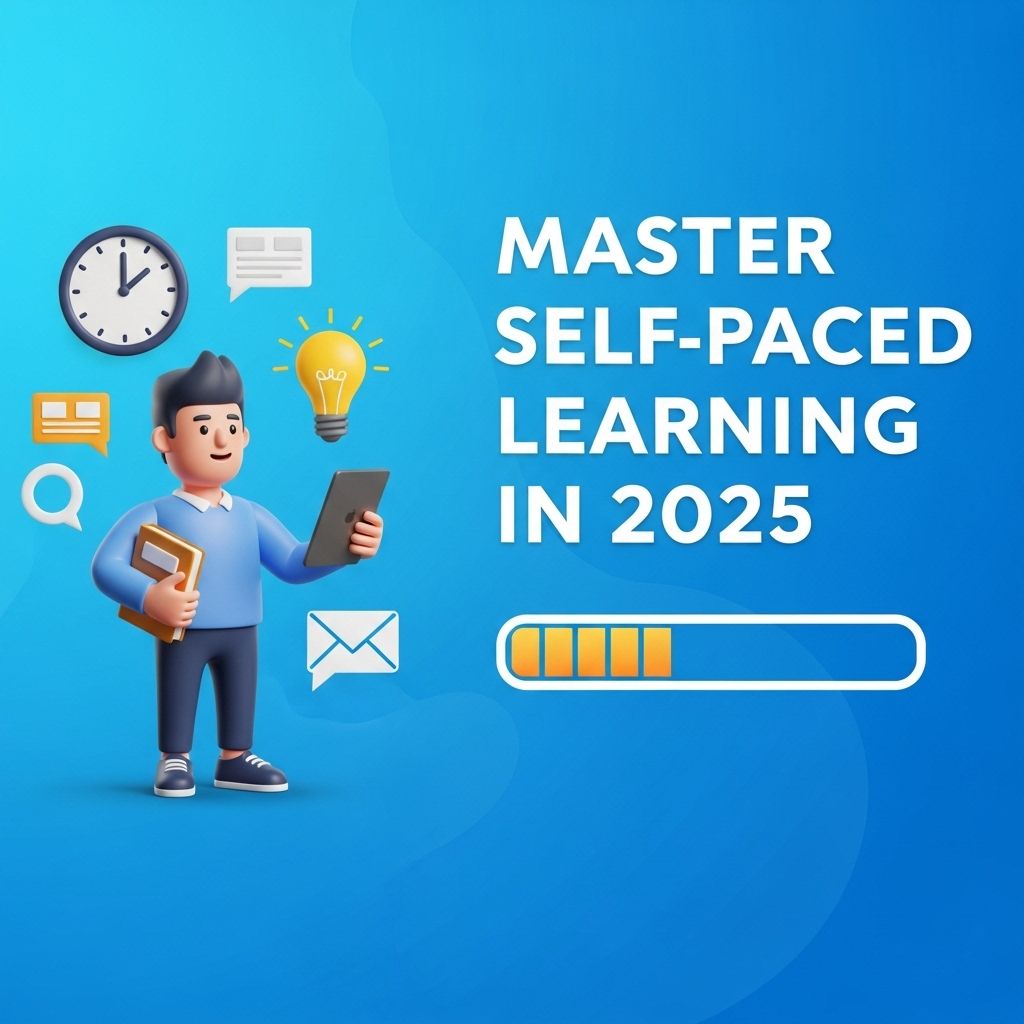
Self-paced learning is a method where learners have control over the timing, path, and pace of their educational experience. Unlike traditional classroom settings, self-paced learning emphasizes autonomy and flexibility, catering to individual preferences and schedules.
Key Characteristics of Self-Paced Learning
- Flexibility: Learners can choose when and where to study, fitting their education into their busy lives.
- Personalization: Each learner can tailor their learning experience based on their interests and skill levels.
- Self-Motivation: Success relies heavily on the learner’s ability to stay motivated and disciplined.
- Accessibility: Online platforms provide access to a wealth of resources from anywhere in the world.
Benefits of Self-Paced Learning
Embracing self-paced learning offers numerous advantages:
- Customized Learning Experience: Tailor your study plan to focus on areas where you need improvement.
- Improved Retention: Pace yourself to absorb and comprehend material better than in accelerated formats.
- Enhanced Time Management Skills: Balancing your studies with other commitments fosters better organizational skills.
- Cost-Effectiveness: Many self-paced courses are more affordable, often featuring free resources.
Effective Strategies for Mastering Self-Paced Learning
To excel in self-paced learning, it’s crucial to implement effective strategies that foster productivity and engagement. Here are some key strategies to consider:
1. Set Clear Goals
Define specific, measurable, achievable, relevant, and time-bound (SMART) goals to stay focused and motivated throughout your learning journey.
2. Create a Structured Schedule
While flexibility is a core component of self-paced learning, having a structured schedule can help maintain a balance. Consider creating a timetable that includes:
| Day | Task | Duration |
|---|---|---|
| Monday | Module 1: Introduction to Data Science | 2 hours |
| Wednesday | Module 2: Data Analysis Techniques | 3 hours |
| Friday | Practice Exercises | 1 hour |
3. Utilize Digital Tools
Leverage technology to enhance your learning experience. Here are some recommended tools:
- Learning Management Systems (LMS): Platforms like Moodle or Canvas organize your courses and track progress.
- Note-taking Apps: Tools such as Evernote or Notion help you compile your notes systematically.
- Online Collaboration Tools: Platforms like Slack or Microsoft Teams allow you to interact with fellow learners.
4. Monitor Your Progress
Regularly assess your progress to identify areas where you need improvement. Incorporate self-assessment quizzes or keep a learning journal to reflect on your advancements.
Challenges of Self-Paced Learning
While self-paced learning has its advantages, it’s not without challenges. Here are some common obstacles you may face:
- Procrastination: The freedom of self-paced learning can lead to delays in completing tasks.
- Lack of Accountability: Without a structured environment, staying accountable can be difficult.
- Overwhelm: The vast array of resources available can make it challenging to focus on what’s essential.
Overcoming Challenges
To overcome these challenges, consider the following tactics:
- Establish a Study Group: Collaborate with others to share experiences and motivate each other.
- Set Mini-Deadlines: Break down larger tasks into smaller, manageable deadlines to combat procrastination.
- Limit Distractions: Create a designated study space free from distractions to improve focus.
The Future of Self-Paced Learning
The landscape of self-paced learning is continuously evolving, driven by advancements in technology and educational methodologies. Here are some trends shaping the future:
1. Incorporation of AI
Artificial intelligence is becoming integral in creating personalized learning paths tailored to individual needs and preferences.
2. Gamification
Incorporating gamification elements, such as rewards and achievements, makes learning more engaging and enjoyable.
3. Microlearning
Microlearning, or breaking down content into smaller, digestible parts, aligns perfectly with self-paced learning and enhances retention.
Conclusion
Mastering self-paced learning in 2025 requires a combination of effective strategies, the right tools, and a proactive mindset. As education continues to transform, embracing this flexible learning model can empower you to take charge of your educational journey and achieve your goals efficiently. By understanding the principles of self-paced learning and implementing practical strategies, you can unlock a world of possibilities for personal and professional growth.
FAQ
What is self-paced learning?
Self-paced learning is an educational approach that allows learners to control the speed and timing of their studies, enabling them to learn at their own convenience and comfort.
How can I effectively master self-paced learning?
To master self-paced learning, set clear goals, create a structured schedule, stay disciplined, utilize diverse resources, and regularly assess your progress.
What are the advantages of self-paced learning in 2025?
In 2025, the advantages of self-paced learning include flexible scheduling, personalized learning experiences, accessibility to a wider range of resources, and the ability to revisit challenging concepts as needed.
Are there any tools to enhance self-paced learning?
Yes, tools such as learning management systems, online courses, digital note-taking apps, and productivity software can significantly enhance the self-paced learning experience.
How does self-paced learning differ from traditional classroom learning?
Self-paced learning focuses on individual progress and flexibility, while traditional classroom learning follows a fixed schedule and pace set by an instructor.
Who can benefit from self-paced learning?
Students, working professionals, and anyone seeking to acquire new skills or knowledge can benefit from self-paced learning, as it caters to diverse learning styles and schedules.