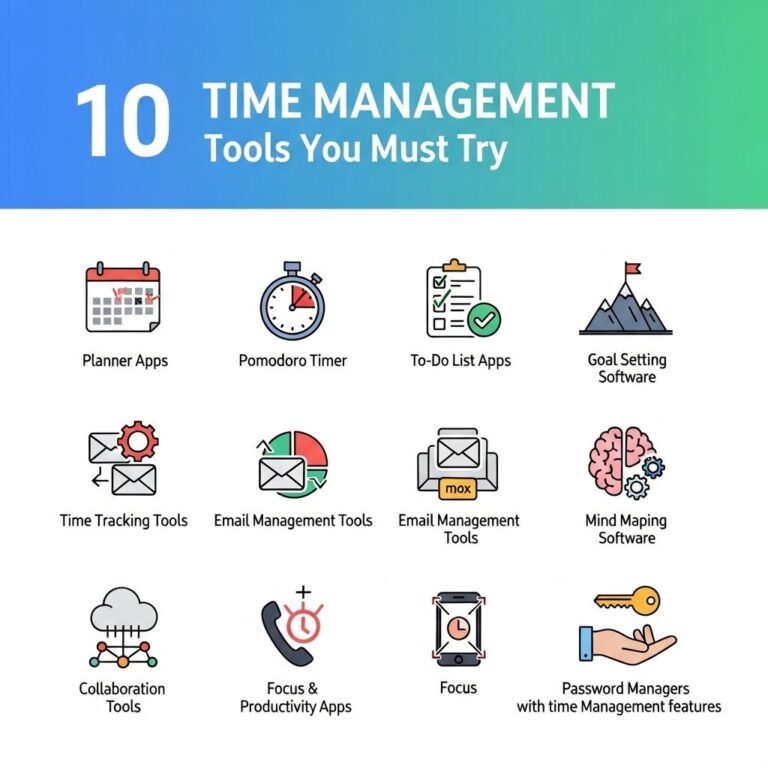
In today’s fast-paced, distraction-laden world, the ability to focus deeply on complex tasks has become a rare commodity. It is this capacity for deep work that differentiates successful individuals from the rest. But what exactly is deep work, and how can one cultivate this invaluable skill? In this article, we will explore seven essential techniques that can help you master deep work, enhance your productivity, and achieve greater success in your personal and professional endeavors.
In an age rife with distractions, mastering deep work is essential for achieving high productivity and meaningful output. By implementing these 7 essential techniques, individuals can enhance their focus and harness their cognitive abilities more effectively. To visualize your creative projects better, check out these bag mockup visualization tips.
Table of Contents
Understanding Deep Work
Deep work is the ability to focus without distraction on cognitively demanding tasks. It is a skill that allows individuals to produce high-quality results in less time by fully immersing themselves in their work. Cal Newport, author of the book “Deep Work: Rules for Focused Success in a Distracted World,” champions this concept, highlighting its importance in the digital age.
The Benefits of Deep Work
- Increased Productivity: By minimizing distractions, individuals can complete tasks more efficiently.
- Enhanced Learning: Deep work fosters a state of flow, where learning and creativity flourish.
- Improved Satisfaction: Achieving deep work can lead to a greater sense of accomplishment and fulfillment.
Essential Techniques for Mastering Deep Work
Now that we understand the concept and benefits of deep work, let’s delve into the seven essential techniques that can help you cultivate this powerful skill.
1. Schedule Your Deep Work Sessions
Creating a dedicated time block for deep work is crucial. Consider the following steps to optimize your schedule:
- Identify your peak productivity hours.
- Allocate uninterrupted time blocks for deep work.
- Communicate your availability to colleagues to minimize distractions during these sessions.
2. Create a Distraction-Free Environment
Your environment plays a significant role in your ability to focus. To foster deep work, consider the following:
- Eliminate unnecessary technology: Turn off notifications on your phone and computer.
- Designate a specific workspace that is free from distractions.
- Utilize tools such as noise-canceling headphones or background music to block out external sounds.
3. Embrace Boredom
In a world filled with constant stimulation, boredom can be a powerful tool for enhancing concentration. By allowing yourself to experience boredom, you train your brain to focus better. Here’s how to embrace boredom:
- Limit your recreational use of technology.
- Engage in activities that require focus, such as reading or solving puzzles.
- Practice mindfulness techniques to improve your attention span.
4. Use the Pomodoro Technique
The Pomodoro Technique is a time management method that helps you maintain focus while preventing burnout. Here’s how to implement it:
- Choose a task to work on.
- Set a timer for 25 minutes (the Pomodoro).
- Focus solely on the task for the entire 25 minutes.
- Take a 5-minute break after the timer goes off.
- Repeat this cycle, taking a longer break after every four Pomodoros.
5. Prioritize Your Tasks
Not all tasks are created equal. To maximize the effectiveness of your deep work sessions, prioritize your tasks based on their importance and complexity:
| Task | Importance | Complexity |
|---|---|---|
| Project A | High | High |
| Project B | Medium | Low |
| Emails | Low | Low |
By focusing on high-importance, high-complexity tasks during your deep work sessions, you can make significant progress on your most valuable projects.
6. Limit Shallow Work
Shallow work includes tasks that do not require deep concentration, such as emails or administrative tasks. To master deep work, minimize the time spent on shallow work:
- Batch similar shallow tasks together and complete them during designated time blocks.
- Delegate or automate tasks when possible.
- Set strict limits on the time allocated for shallow work each day.
7. Review and Reflect
Finally, to continuously improve your deep work skills, take time to review and reflect on your progress:
- At the end of each week, assess your productivity and the effectiveness of your deep work sessions.
- Identify areas for improvement and adjust your techniques accordingly.
- Celebrate your accomplishments and set new goals for the upcoming week.
Conclusion
Mastering deep work is not an overnight process, but with dedication and the implementation of these seven essential techniques, you can significantly enhance your focus and productivity. In an era where distractions are abundant and shallow work is prevalent, developing the ability to engage in deep work is more critical than ever. By committing to a structured approach and creating an environment conducive to concentration, you can unlock your full potential and achieve remarkable results in your personal and professional life.
FAQ
What is deep work?
Deep work is the ability to focus without distraction on cognitively demanding tasks, allowing for high levels of productivity and creativity.
What are the benefits of practicing deep work?
Practicing deep work can lead to improved concentration, enhanced skills, greater output, and the ability to produce high-quality work in less time.
What are some essential techniques for mastering deep work?
Some essential techniques include scheduling focused work sessions, eliminating distractions, setting clear goals, and incorporating regular breaks to maximize productivity.
How can I eliminate distractions while practicing deep work?
You can eliminate distractions by creating a dedicated workspace, using apps to block distracting websites, and setting specific times for checking email and social media.
Is deep work suitable for everyone?
While deep work can benefit most people, those in highly collaborative environments may need to balance deep work with team interactions and communication.
How do I measure my progress in deep work?
You can measure your progress by tracking the amount of time spent in deep work sessions, the quality of work produced, and how well you meet your established goals.