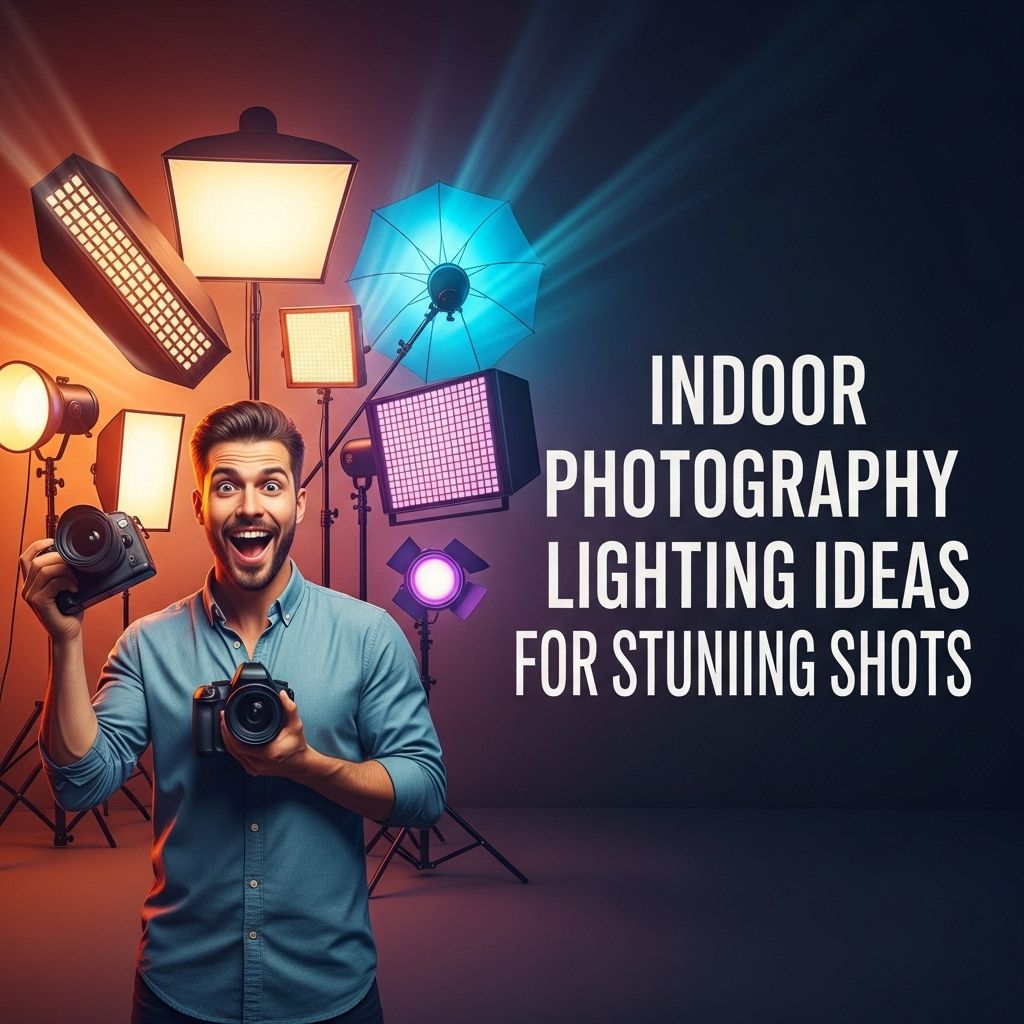
Capturing stunning indoor photographs can be a daunting task, especially when natural light is scarce. However, with the right lighting techniques and tools, you can transform even the dullest space into a vibrant setting for your photography. In this article, we will explore various indoor photography lighting ideas that can elevate your images to professional standards.
Discover the transformative power of indoor photography with stunning lighting ideas that enhance your visuals and create mood. From soft diffused light to dramatic shadows, mastering indoor lighting can elevate your photography to new heights. For those looking to style your shots with perfect props, explore these realistic bag mockup examples that can add a professional touch.
Table of Contents
Understanding the Basics of Indoor Lighting
Before diving into specific lighting techniques, it’s essential to grasp the fundamental principles of indoor lighting. Different light sources can dramatically influence the mood, tone, and quality of your photos. Here are some critical aspects to consider:
- Quality of Light: Soft light creates gentle shadows, while harsh light produces strong contrasts.
- Color Temperature: Measured in Kelvin (K), color temperature affects the warmth or coolness of the light.
- Direction of Light: The angle at which light hits your subject can dramatically change the appearance of your photos.
Natural Light Techniques
Using natural light is often the best option for indoor photography due to its soft and flattering qualities. Here are some techniques to maximize the use of natural light:
1. Positioning Near Windows
Windows can serve as excellent sources of natural light. Here’s how to make the most of them:
- Find a window with ample natural light.
- Position your subject at a 45-degree angle to the window for beautiful side lighting.
- Use sheer curtains to diffuse the light for a softer effect.
2. Time of Day
The time of day significantly affects the quality of natural light:
| Time | Light Quality |
|---|---|
| Morning | Soft and warm light |
| Midday | Harsh and bright light |
| Evening | Golden hour, warm tones |
Artificial Lighting Options
When natural light is insufficient, artificial lighting becomes invaluable. Here are several options:
1. Continuous Lights
Continuous lights are a great way to achieve consistent lighting levels. Here are popular types:
- LED Panels: Energy-efficient and easy to adjust.
- Softboxes: Create soft, diffused light, suitable for portraits.
- Umbrellas: Redirect and diffuse light effectively.
2. Speedlights and Flash Units
Speedlights, or external flashes, can provide powerful bursts of light. Consider these tips:
- Use off-camera flash to control light direction.
- Employ light modifiers like softboxes or reflectors.
- Experiment with different flash settings to find the perfect exposure.
Creative Lighting Techniques
Beyond typical setups, creative lighting techniques can add flair to your indoor photography. Here are a few ideas:
1. Backlighting
Backlighting involves placing the light source behind the subject, highlighting edges and adding depth. To achieve stunning backlit shots:
- Use a strong light source to create a silhouette effect.
- Incorporate elements like smoke or mist for dramatic flair.
2. Light Painting
This technique involves using long exposure to create artistic light trails. Here’s how to get started:
- Set your camera on a tripod.
- Use a slow shutter speed (e.g., 10 seconds).
- Move a light source (like a flashlight) through the frame to create patterns.
Utilizing Reflectors
Reflectors are a simple yet effective way to manipulate light in your photos. They come in various colors (white, silver, gold) and can:
- Bounce light onto your subject, filling in shadows.
- Create a warm glow with gold reflectors.
- Enhance the color temperature using different surfaces.
Combining Light Sources
For the best results, consider mixing various light sources. Here are some tips:
1. Blending Natural and Artificial Light
Combining different light types can produce stunning results. For instance:
- Use natural light as your main source and fill in with a flash.
- Adjust the color temperature of your flash to match the ambient light.
2. Layering Lights
Layering multiple light sources can create depth and interest in your images. Consider this setup:
- Main light: A softbox to illuminate the subject.
- Fill light: A reflector to soften shadows.
- Accent light: A small lamp to add warmth and texture.
Conclusion
Mastering indoor photography lighting is key to creating stunning images, whether for personal projects or professional work. Experimenting with various techniques, tools, and setups will enhance your skills and broaden your creative horizons. Remember, the most important aspect is to practice and explore the unique qualities of light in every setting. By implementing these lighting ideas, you’ll be well on your way to taking breathtaking indoor photos.
FAQ
What are the best lighting sources for indoor photography?
The best lighting sources for indoor photography include natural light from windows, softbox lights, ring lights, and LED panels. These options help create soft and flattering light for stunning shots.
How can I use natural light effectively for indoor photography?
To use natural light effectively, position your subject near a window during golden hour, use sheer curtains to diffuse harsh sunlight, and experiment with different angles to capture the best light.
What is the role of reflectors in indoor photography?
Reflectors help bounce light onto your subject, reducing shadows and creating a more balanced exposure. They are especially useful in indoor settings where light may be limited.
How do I create a mood with indoor lighting?
You can create mood by adjusting the color temperature of your lights, using dimmers for softer light, and incorporating colored gels to add artistic flair to your indoor photography.
What settings should I use on my camera for indoor photography?
For indoor photography, use a lower ISO to reduce noise, a wider aperture (like f/2.8) for better light intake, and experiment with shutter speeds to avoid motion blur, especially in low-light conditions.