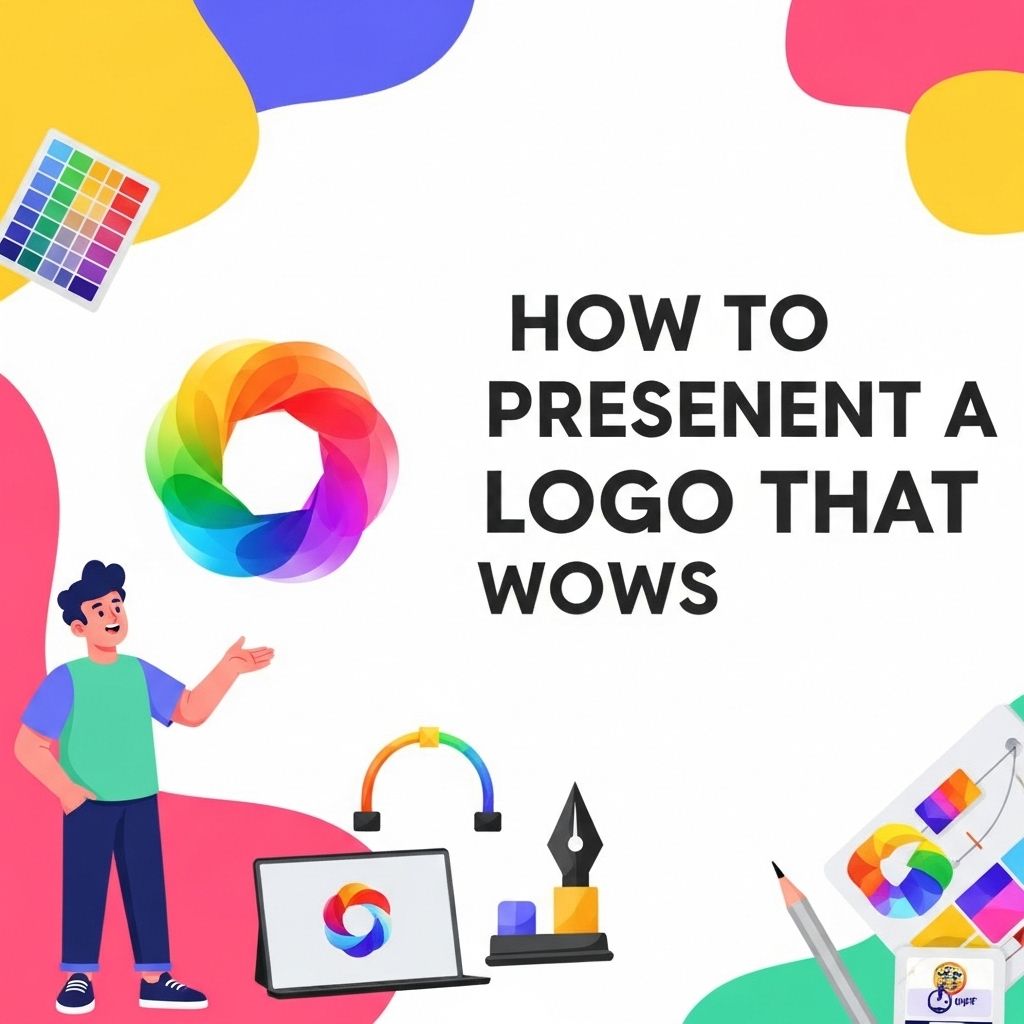
In the world of branding, a logo is the face of a company. It embodies the essence of the brand, conveying its message and values to the audience in a single glance. A well-designed logo can create a lasting impression, making it critical for businesses to present their logos effectively. Here, we explore various strategies and techniques for presenting a logo that not only captivates attention but also resonates with the target audience.
Creating a logo that captivates your audience is an art and science blended into one. To elevate the impact of your design, utilizing gold logo mockups can significantly enhance its perceived value and sophistication. Explore the benefits of gold logo mockups to ensure your presentation leaves a lasting impression.
Table of Contents
Understanding the Purpose of Your Logo
Before diving into presentation techniques, it’s essential to understand the purpose of your logo. A logo serves multiple functions:
- Brand Recognition: A logo establishes familiarity with your audience.
- Emotional Connection: It evokes feelings and associations related to your brand.
- Professionalism: A well-crafted logo reflects the quality and credibility of your business.
Designing the Logo for Maximum Impact
While the presentation is crucial, the design itself lays the groundwork for a memorable logo. Here are key aspects to consider:
1. Simplicity is Key
A simple design ensures your logo is easily recognizable and versatile across different mediums. Think about iconic logos like Apple or Nike; their simplicity makes them timeless.
2. Choose the Right Color Palette
Colors evoke emotions and convey messages. Consider the psychology of colors when choosing your palette:
| Color | Emotion | Brand Examples |
|---|---|---|
| Red | Excitement, Passion | Coca-Cola, Netflix |
| Blue | Trust, Calmness | IBM, Facebook |
| Green | Growth, Health | Starbucks, Whole Foods |
3. Typography Matters
The font you choose should align with your brand’s personality. For example:
- Serif Fonts: Often seen as traditional and trustworthy.
- Sans-serif Fonts: Modern and clean, suitable for tech brands.
- Script Fonts: Elegant and personal, ideal for luxury brands.
Preparing Your Presentation
With a solid design in place, how you present it can dramatically affect the audience’s perception. Here are some strategic approaches:
1. Contextual Display
Show the logo in various contexts to highlight its versatility. For example:
- Business Cards: Showcase how it looks in a professional setting.
- Website Mockups: Display it in situ on a homepage.
- Merchandise: Use examples of the logo on products, like t-shirts or mugs.
2. Create a Story
Stories resonate with audiences. Share the story behind your logo’s design, including:
- Inspiration and motivation for the design choices.
- The design process and iterations.
- How the logo reflects the brand’s values and missions.
3. Use Mockups and Visuals
Visual aids enhance understanding and retention. Utilize high-quality mockups to present your logo in real-world scenarios. Here are some tools you can use:
- Adobe Photoshop: Create custom mockups.
- Placeit: Online mockup generator.
- Canva: User-friendly design tool for presentations.
Engaging Your Audience During the Presentation
Engagement is vital for a successful presentation. Here’s how to keep your audience captivated:
1. Encourage Feedback
Invite your audience to share their thoughts. Use open-ended questions to foster discussion:
- What feelings does the logo evoke?
- What aspects stand out to them?
2. Be Passionate
Your enthusiasm can be contagious. Share what excites you about the logo and its possibilities.
3. Use Multimedia
Incorporate videos, animations, or interactive elements to keep the audience engaged. Consider showcasing:
- A time-lapse video of the logo design process.
- Animations demonstrating the logo’s use in various applications.
Follow-Up and Evaluation
After the presentation, it’s crucial to evaluate its impact and gather feedback:
1. Distribute Surveys
Send out surveys to gauge audience perceptions. Include questions on:
- Overall impression of the logo.
- What they liked and disliked.
- Suggestions for improvement.
2. Analyze Engagement
Monitor how engaged the audience was during the presentation. Were they asking questions? Did they seem interested?
Conclusion
In a competitive marketplace, presenting a logo effectively can be the key to capturing your audience’s attention and leaving a lasting impression. By focusing on design principles, contextual display, engaging storytelling, and evaluating feedback, you can ensure your logo presentation is impactful and memorable. Remember, a logo is more than just a graphic—it’s a vital part of your brand’s identity.
FAQ
What are the key elements of a logo that impresses?
A logo that impresses typically includes simplicity, memorability, versatility, relevance, and timelessness.
How can color choices impact the effectiveness of a logo?
Color choices can evoke emotions and convey brand personality, making them crucial for a logo’s effectiveness.
What design techniques can enhance logo presentation?
Techniques like using mockups, showcasing logos in real-life scenarios, and creating a cohesive brand story can enhance logo presentation.
Why is it important to consider the target audience when designing a logo?
Understanding the target audience ensures that the logo resonates with them, fostering brand recognition and loyalty.
How can I incorporate feedback effectively when presenting a logo?
Incorporating feedback can be done by actively listening, making adjustments based on constructive criticism, and showing appreciation for input.