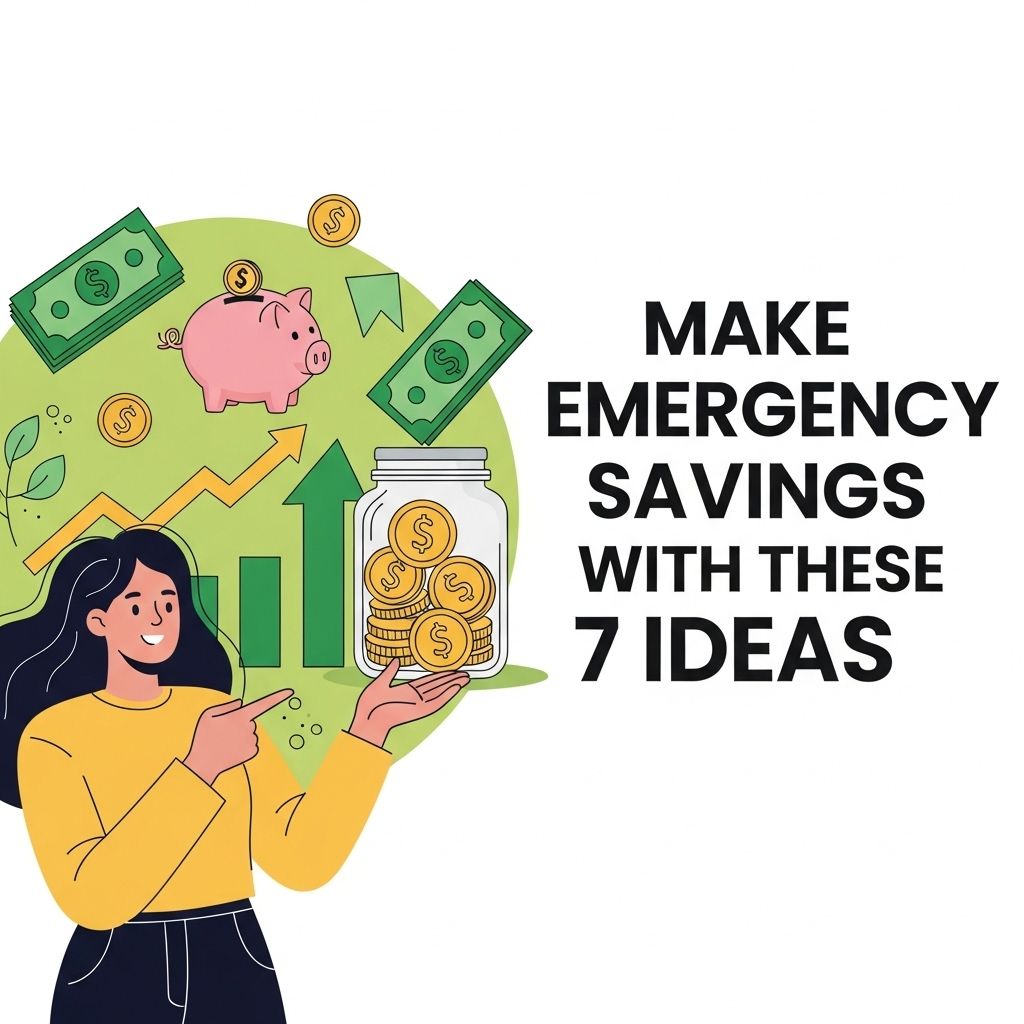
In today’s fast-paced world, having a financial safety net is essential. Emergencies can strike at any time, whether it’s an unexpected medical bill, car repairs, or job loss. Building an emergency savings fund can provide peace of mind and financial stability. Here are seven practical ideas to help you create an emergency savings fund that can withstand the unpredictability of life.
Building an emergency savings fund is crucial for financial security, yet it can often feel overwhelming. In this article, we’ll explore seven creative ways to boost your savings and prepare for unexpected expenses, helping you develop a more resilient financial future. For inspiration, check out these realistic bag mockup examples that can represent the idea of saving in style.
Table of Contents
1. Set Clear Goals
Before you embark on your savings journey, it’s important to define your goals. How much do you want to save? A common recommendation is to aim for three to six months’ worth of living expenses. Consider these steps:
- Calculate your monthly expenses (rent, utilities, groceries, etc.).
- Multiply your total monthly expenses by three to six.
- Set a target date for achieving this savings goal.
2. Create a Budget
A budget is your roadmap to financial success. By tracking your income and expenses, you can identify areas where you can save more effectively. Here’s how to create a simple budget:
Steps to Creating a Budget
- List all sources of income.
- Itemize all monthly expenses.
- Subtract total expenses from total income.
- Identify discretionary spending that can be reduced.
3. Automate Your Savings
One of the easiest ways to build your emergency fund is through automation. Set up automatic transfers from your checking account to your savings account. This way, you can save without even thinking about it. Consider the following options:
| Method | Description |
|---|---|
| Direct Deposit | Have a portion of your paycheck directly deposited into your savings account. |
| Bank Transfers | Schedule regular transfers monthly or bi-weekly from your checking to savings. |
| Apps | Use financial apps that round up purchases and save the change. |
4. Cut Unnecessary Expenses
Examine your spending habits and identify areas where you can cut costs. Here are some common areas to consider:
Common Expense Cuts
- Cable subscriptions: Consider streaming services instead.
- Dining out: Reduce the frequency and opt for cooking at home.
- Subscriptions: Cancel or pause unused services.
5. Use Windfalls Wisely
Any unexpected influx of cash, like tax refunds, bonuses, or gifts, should be considered for your emergency fund. Instead of spending it all, allocate a significant portion to savings:
Windfall Allocation Tips
- Save at least 50% of any bonus or tax refund.
- Consider saving all side hustle income.
- Use monetary gifts for your emergency fund instead of luxuries.
6. Open a High-Yield Savings Account
To maximize your emergency fund, consider opening a high-yield savings account. These accounts typically offer better interest rates compared to traditional savings accounts. Here are some benefits:
- Higher interest rates that contribute to faster growth.
- FDIC insurance protection up to $250,000.
- Easy accessibility to your funds when needed.
7. Review and Adjust Regularly
Building an emergency fund is not a one-time task; it requires regular review and adjustment. Make it a habit to check your progress and adjust your savings strategies:
Review Process
- Set a monthly date to review your finances.
- Adjust your budget based on changing expenses or income.
- Re-evaluate your savings goals periodically, especially after significant life changes.
By implementing these strategies, you can effectively build an emergency savings fund that will provide you with peace of mind in times of financial uncertainty. Remember, the key is consistency and commitment. Start small and gradually increase your savings; every little bit helps in building a robust financial safety net.
FAQ
What are some effective ways to build an emergency savings fund?
Some effective ways to build an emergency savings fund include setting a monthly savings goal, automating transfers to a savings account, cutting unnecessary expenses, using windfalls like tax refunds or bonuses, and starting a side hustle.
How much should I have in my emergency savings fund?
It is generally recommended to have three to six months’ worth of essential living expenses saved in your emergency fund to cover unexpected situations.
What type of account is best for emergency savings?
A high-yield savings account is often the best choice for emergency savings, as it offers higher interest rates while still providing easy access to your funds.
Can I use my emergency savings for non-emergencies?
While it’s tempting, it’s best to reserve your emergency savings strictly for genuine emergencies to ensure you are financially prepared for unexpected events.
How can I quickly increase my emergency savings?
You can quickly increase your emergency savings by reducing discretionary spending, selling unused items, or taking on extra work or freelance projects to boost your income.
Why is having an emergency savings fund important?
Having an emergency savings fund is important because it provides financial security and peace of mind, allowing you to handle unexpected expenses without going into debt.