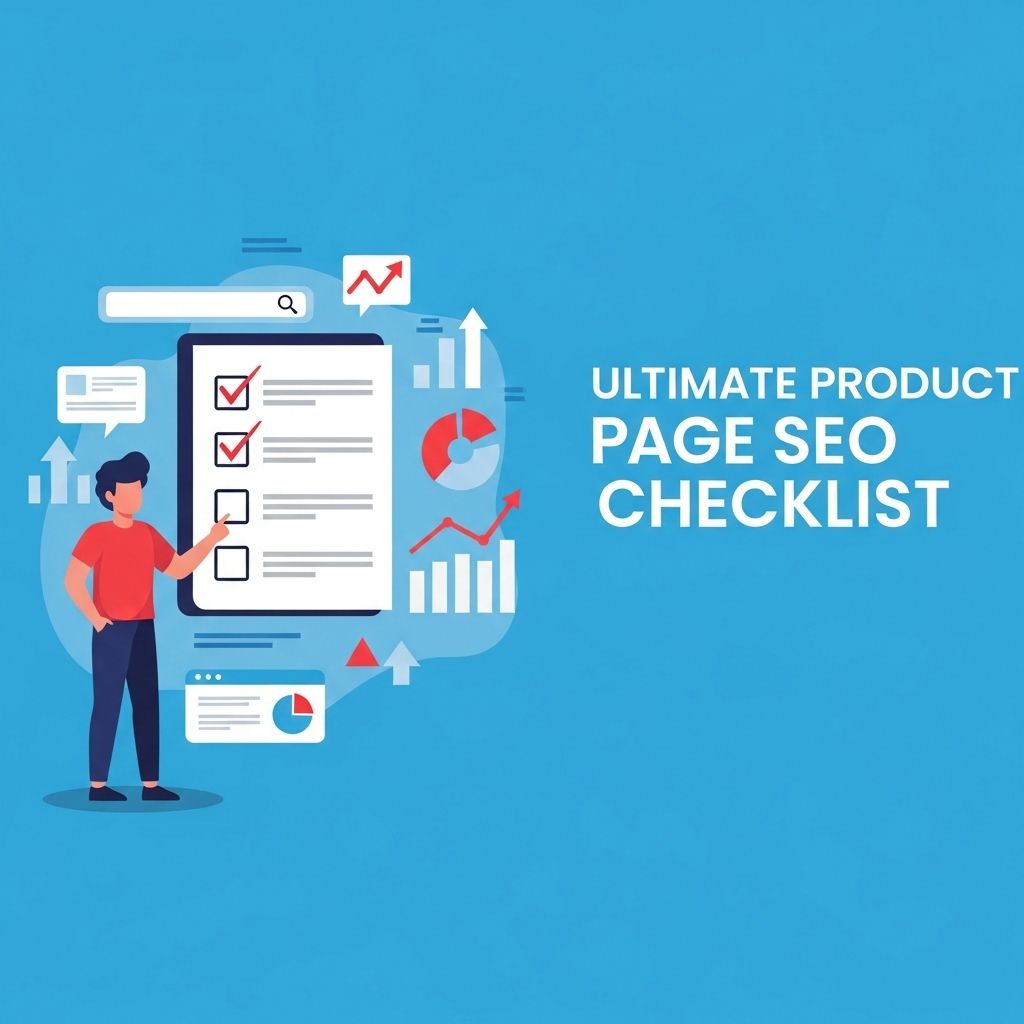
An optimized product page is crucial for driving traffic and conversions in today’s competitive e-commerce landscape. With millions of products available online, ensuring that your product pages stand out in search engine results can significantly impact your sales. This article provides a comprehensive checklist to enhance your product page’s SEO, maximize visibility, and improve user experience.
In 2023, optimizing your product pages is more crucial than ever for driving traffic and conversions. This ultimate product page SEO checklist will guide you through essential strategies to enhance visibility and user experience. For those interested in visually appealing presentations, consider exploring how to create bag mockups to elevate your product display.
Table of Contents
Understanding the Importance of Product Page SEO
Search engine optimization (SEO) for product pages is about more than just keywords; it’s about creating a seamless experience that leads to conversions. An effective product page should not only attract visitors through search engines but also retain their interest and facilitate purchasing decisions.
Why Product Page SEO Matters
- Increased Visibility: Well-optimized product pages rank higher on search engine results pages (SERPs), making it easier for potential customers to discover your products.
- Higher Conversion Rates: SEO practices enhance user experience, leading to lower bounce rates and higher sales.
- Competitive Edge: A well-designed and optimized product page can differentiate your offerings from competitors.
Essential Elements of Product Page SEO
To create an SEO-friendly product page, focus on the following elements:
1. Keyword Research
Before you can optimize your product page, you need to know which keywords to target. Use tools like Google Keyword Planner, SEMrush, or Ahrefs to find relevant keywords. Consider the following:
- Search volume
- Competitor analysis
- Long-tail keywords
2. Title Tags
Your title tag is one of the first things users see in search results, and it plays a critical role in SEO:
- Include the primary keyword.
- Keep it under 60 characters.
- Make it compelling to encourage clicks.
3. Meta Descriptions
The meta description should summarize the product and include relevant keywords. Key points to remember:
- Keep it between 150-160 characters.
- Include a call-to-action (CTA).
- Make it unique for each product page.
Visual Optimization
Images are essential for product pages, enhancing user experience and SEO. Ensure you:
1. Use High-Quality Images
High-resolution images can boost user engagement. Consider the following:
- Use multiple angles of the product.
- Include zoom functionalities.
2. Optimize Image Alt Text
Image alt text improves accessibility and provides context to search engines:
- Include relevant keywords.
- Be descriptive yet concise.
On-Page SEO Techniques
Implementing on-page SEO techniques is crucial. Here’s what to focus on:
1. Product Descriptions
Your product description should be unique, informative, and keyword-rich. Follow these guidelines:
- Write at least 300 words.
- Focus on benefits and features.
- Use bullet points for easy reading.
2. Headers and Subheaders
Properly structuring your content with headers (H1, H2, H3) helps search engines understand your page:
- Use H1 for the product name.
- Use H2 for main sections and H3 for subsections.
3. Internal Linking
Linking to related products or categories can help with SEO and enhance user experience by encouraging visitors to explore more of your website:
- Use descriptive anchor text.
- Avoid over-linking; keep it natural.
Technical SEO Considerations
Alongside content optimization, ensure your site is technically sound:
1. Page Load Speed
A fast-loading page improves user experience and SEO rankings:
- Optimize images.
- Minimize HTTP requests.
- Use browser caching.
2. Mobile Responsiveness
With an increasing number of shoppers using mobile devices, ensure your product page is mobile-friendly:
- Use a responsive design.
- Test usability on various devices.
3. URL Structure
Clean, SEO-friendly URLs are crucial:
- Include the product name and keywords.
- Avoid lengthy URLs and unnecessary parameters.
User Experience and Engagement
Improving user experience can indirectly boost your SEO through increased engagement:
1. Customer Reviews
User-generated content, like reviews, enhances trust and can improve rankings:
- Encourage reviews post-purchase.
- Respond to reviews to foster community.
2. Clear Calls-to-Action (CTAs)
Guide your customers towards making a purchase with clear CTAs:
- Use contrasting colors for buttons.
- Make CTAs action-oriented.
Measuring and Analyzing Performance
Finally, regularly measure the performance of your product pages to identify what works and what doesn’t:
1. Use Analytics Tools
Google Analytics and other SEO tools can help you track important metrics:
- Monitor traffic and conversion rates.
- Analyze bounce rates and session duration.
2. A/B Testing
Consider A/B testing different elements of your product page to see what resonates best with your audience:
- Test different headlines.
- Experiment with images and CTA placements.
Conclusion
Optimizing your product pages for SEO is an ongoing process that requires constant attention and adjustment. By following this comprehensive checklist, you can ensure that your product pages are not only visible but also capable of converting visitors into loyal customers. Remember, the goal is to create a user-friendly experience that meets the needs of your audience while adhering to best SEO practices. With dedication and the right strategies, your product pages can drive significant traffic and sales performance.
FAQ
What is a product page SEO checklist?
A product page SEO checklist is a comprehensive guide that outlines the essential elements and best practices for optimizing an e-commerce product page to improve its visibility on search engines.
Why is SEO important for product pages?
SEO is crucial for product pages because it helps increase organic traffic, improves search engine rankings, and ultimately drives sales by making products more discoverable to potential customers.
What key elements should be included in a product page for SEO?
Key elements for SEO on a product page include optimized product titles, detailed descriptions, high-quality images, customer reviews, meta tags, and structured data.
How can I optimize product images for SEO?
To optimize product images for SEO, use descriptive file names, include alt text with relevant keywords, and ensure images are compressed for faster loading times.
What role do customer reviews play in product page SEO?
Customer reviews contribute to product page SEO by providing fresh content, increasing user engagement, and building trust, which can lead to higher conversion rates and improved search rankings.
How can structured data enhance product page SEO?
Structured data enhances product page SEO by helping search engines better understand the content, which can lead to rich snippets in search results, improving visibility and click-through rates.