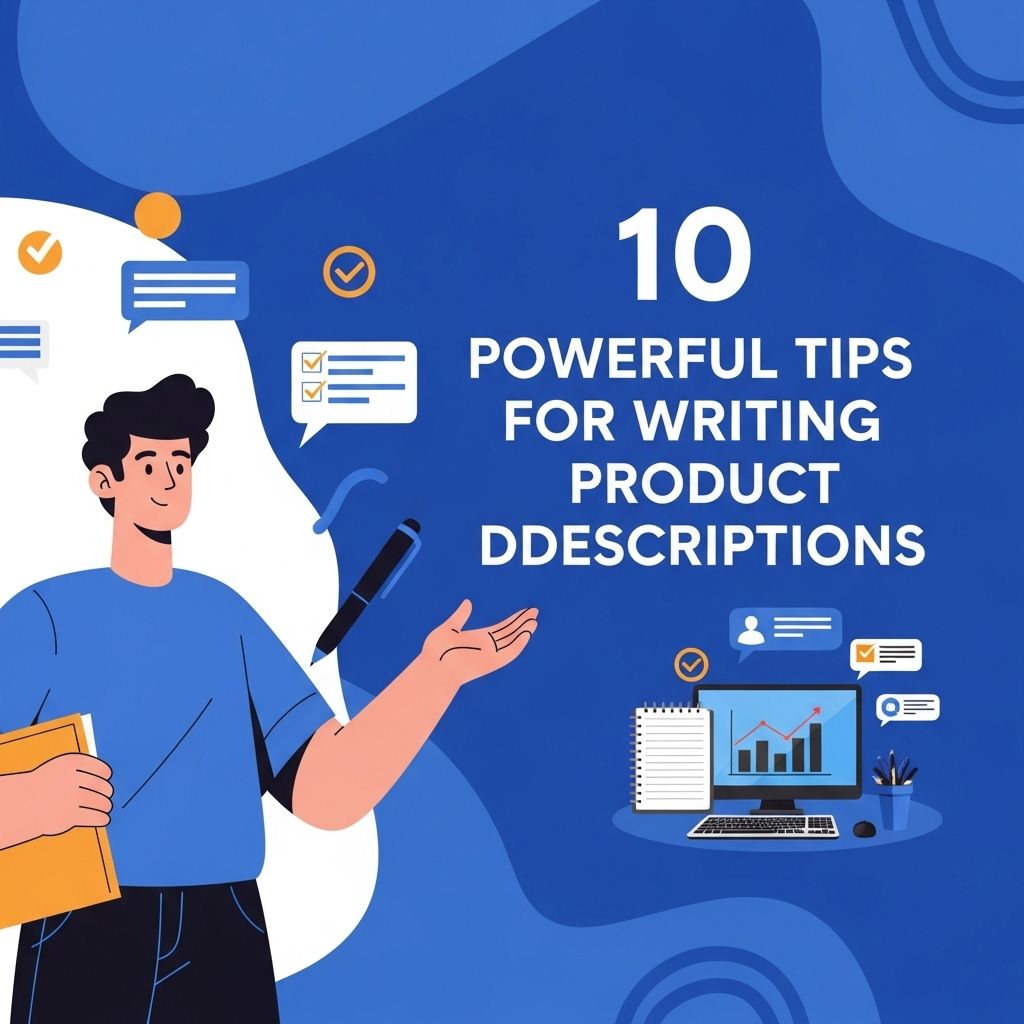
In the world of e-commerce, the right words can make all the difference between a sale and a missed opportunity. Product descriptions are not just about presenting a product; they are about storytelling, persuasion, and connecting with your audience. Crafting a compelling product description requires skill and a deep understanding of your target market. Below, we will explore ten powerful tips that can elevate your product descriptions to drive higher conversions.
Writing compelling product descriptions is essential for capturing your audience’s attention and driving sales. To effectively convey the benefits of your products, consider incorporating elements like engaging storytelling and clear, concise information. For added visual appeal, using bag mockups for branding can enhance your product presentations and make them more enticing.
Table of Contents
Understanding Your Audience
Your audience is at the heart of every successful product description. Before you write anything, take the time to research who your ideal customer is.
Creating Customer Personas
Developing customer personas can guide your writing. Consider the following attributes:
- Demographics (age, gender, location)
- Interests and hobbies
- Shopping behavior and preferences
- Pain points and needs
By understanding these aspects, you can tailor your product descriptions to resonate with your audience.
Highlighting Key Features and Benefits
Customers want to know not just what a product is, but how it can improve their lives. This is where the distinction between features and benefits comes into play.
Features vs. Benefits
| Features | Benefits |
|---|---|
| Material used | Durability and longevity |
| Size options | Perfect fit for all body types |
| Technical specifications | Enhanced performance and user experience |
Always aim to connect the dots between features and the benefits they provide. This approach makes your descriptions more persuasive.
Utilizing Sensory Language
Engage your readers’ senses by using descriptive language. Instead of simply stating features, evoke imagery and emotion.
Examples of Sensory Language
Instead of saying:
- The shirt is made of cotton.
Try:
- Experience the cloud-like softness of our premium cotton shirt that wraps around you like a gentle embrace.
Implementing SEO Strategies
Incorporating SEO (Search Engine Optimization) strategies into your product descriptions is essential for visibility online. Here are some key tips:
- Keyword Research: Identify relevant keywords that your target audience is searching for.
- Natural Usage: Integrate keywords naturally into your descriptions without sacrificing readability.
- Meta Descriptions: Write compelling meta descriptions that encapsulate the product and entice clicks.
Crafting a Compelling Narrative
People love stories. Instead of a dry listing of product features, weave in a narrative that captures the essence of the product.
The Power of Storytelling
For instance, if you are selling handcrafted mugs, explain the journey of how they are made, the artisans behind them, and the passion that goes into creating each piece. This not only humanizes your brand but also builds a connection with potential buyers.
Creating Urgency and Scarcity
Psychological triggers such as urgency and scarcity can be effective in encouraging customers to make a purchase.
Techniques to Create Urgency
- Limited-time offers (e.g., “Only available until midnight!”)
- Stock levels (e.g., “Only 3 left in stock!”)
- Exclusive deals for first-time buyers
Using these tactics can prompt customers to act quickly rather than delaying their purchase.
Utilizing Customer Reviews and Testimonials
Incorporating genuine customer reviews and testimonials in your product descriptions can significantly enhance credibility.
How to Leverage Reviews
- Include relevant customer quotes directly in your description.
- Use ratings to highlight popular features.
- Showcase before-and-after stories for transformative products.
Formatting for Readability
Large blocks of text can deter readers. Proper formatting can make product descriptions easier to skim and digest.
Effective Formatting Strategies
- Use bullet points for lists of features and benefits.
- Incorporate short paragraphs for clarity.
- Utilize headers and subheaders to break up content.
- Highlight important information with bold or italic text.
Testing and Iterating
Finally, don’t forget to test various descriptions and iterate based on performance data.
Methods for Testing
- A/B Testing: Write two versions of a product description and see which performs better.
- Analytics: Track conversion rates to determine what resonates with customers.
- Feedback: Ask for customer feedback on descriptions to continuously refine your approach.
By implementing these ten powerful tips, you can create product descriptions that not only inform but also engage and convert potential customers. Remember, a well-crafted product description is your best salesperson, working tirelessly around the clock to drive sales.
FAQ
What are the key elements of an effective product description?
An effective product description should include clear features, benefits, a compelling narrative, SEO keywords, and a call to action.
How can I make my product descriptions more engaging?
Use vivid language, storytelling techniques, and focus on how the product solves a problem or improves the customer’s life.
Should I include technical specifications in my product descriptions?
Yes, including technical specifications is important, especially for products where performance and detail are crucial to the buyer.
How can SEO impact my product descriptions?
SEO helps your product descriptions rank higher in search engines, making it easier for potential customers to find your products online.
What is the ideal length for a product description?
The ideal length can vary, but generally, 150-300 words is effective for balancing detail and readability.
How often should I update my product descriptions?
Regularly update your product descriptions to reflect changes in inventory, customer feedback, and SEO best practices.