In today’s digital age, personal branding has become more important than ever. As individuals, we are not just known for our jobs or accomplishments but also for our online presence and how we present ourselves to the world. Whether you’re a freelancer, entrepreneur, or employee looking to boost your career, effectively managing your personal brand is crucial. This article will explore five essential tools that can aid you in building and maintaining a strong personal brand.
Table of Contents
Understanding Personal Branding
Before diving into the tools, it’s vital to grasp what personal branding truly entails. Personal branding is the practice of individuals marketing themselves and their careers as brands. This includes everything from your online presence and social media profiles to how you communicate and present yourself in professional settings.
The Importance of Personal Branding
Here are a few reasons why personal branding matters:
- Career Advancement: A strong personal brand can open doors for new job opportunities and promotions.
- Networking: It helps in building relationships and expanding your professional network.
- Trust and Credibility: A well-crafted personal brand instills trust among peers and potential clients.
- Distinction: It helps you stand out in a crowded marketplace.
Essential Tools for Building Your Personal Brand
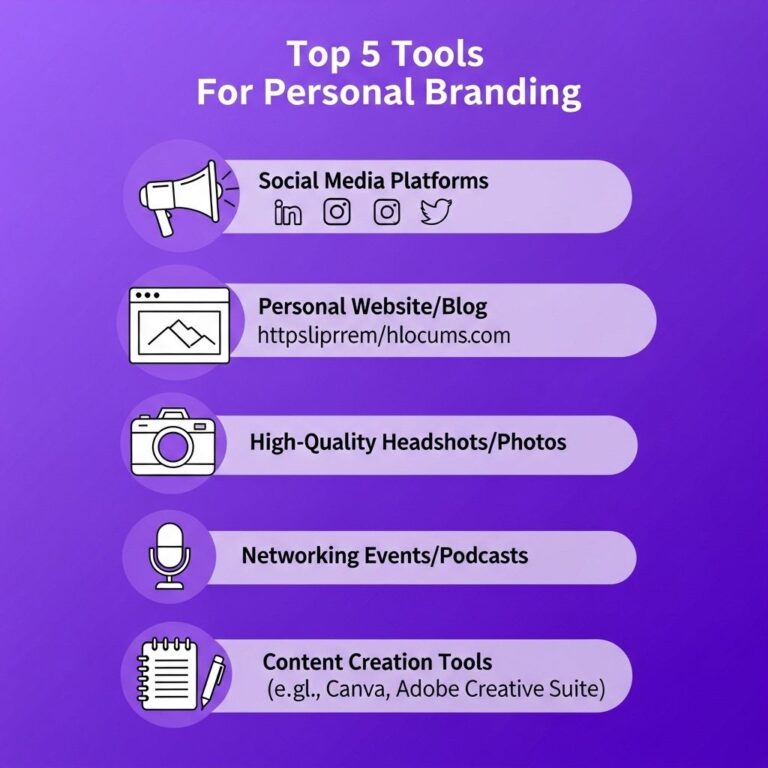
Here are five essential tools that can significantly enhance your personal branding efforts:
1. LinkedIn
LinkedIn is one of the most critical platforms for professional networking and personal branding. With over 700 million members, it’s a treasure trove of opportunities.
Features of LinkedIn:
- Profile Optimization: Ensure your profile is complete with a professional photo, detailed work experience, and endorsements.
- Networking: Connect with industry peers, join groups, and attend virtual events.
- Content Sharing: Share articles, posts, and updates that reflect your expertise.
2. Personal Website
Having a personal website is a powerful way to showcase your skills, projects, and accomplishments. It serves as a central hub for your online presence.
Key Elements of a Personal Website:
- About Me: A section that describes who you are, your background, and your career goals.
- Portfolio: Showcase your work, projects, or case studies that illustrate your expertise.
- Blog: Regularly update a blog with insights related to your field, which can establish you as a thought leader.
| Element | Description |
|---|---|
| Domain Name | Choose a memorable domain name that reflects your brand. |
| Design | Ensure the website is visually appealing and user-friendly. |
| SEO | Optimize your content for search engines to increase visibility. |
3. Social Media Platforms
While LinkedIn is essential for professional networking, other social media platforms like Twitter, Instagram, and Facebook can help you reach a wider audience.
Strategies for Using Social Media:
- Consistency: Maintain a consistent voice and branding across platforms.
- Engagement: Interact with your audience by responding to comments and messages.
- Content Creation: Share valuable content that aligns with your brand message.
4. Branding Tools
Branding tools like Canva and Adobe Spark allow you to create stunning visuals that can enhance your personal brand.
Benefits of Using Branding Tools:
- Graphic Design: Easily create eye-catching graphics for social media or your website.
- Templates: Use pre-designed templates to maintain a consistent aesthetic.
- Accessibility: Many of these tools offer free versions that are easy to use, even for beginners.
5. Analytics Tools
Monitoring the performance of your personal brand is crucial for making informed decisions. Tools like Google Analytics and social media insights can provide valuable data.
What to Track:
- Website Traffic: Measure the number of visitors and their behavior on your website.
- Engagement Rates: Analyze likes, shares, and comments on your social media posts.
- Audience Demographics: Understand who your audience is to tailor your content effectively.
Putting It All Together
Building a personal brand takes time and effort, but using the right tools can streamline the process. By leveraging platforms like LinkedIn, creating a personal website, utilizing social media, designing with branding tools, and tracking your progress with analytics, you can establish a strong and impactful personal brand.
Conclusion
Your personal brand is a reflection of your professional identity, and managing it effectively is vital in today’s competitive world. By employing these five essential tools, you can create a robust personal brand that not only showcases your skills and experiences but also helps you achieve your career goals. Remember, personal branding is an ongoing process that requires continuous effort and adaptation as you grow and evolve in your career.
FAQ
What are the essential tools for personal branding?
The essential tools for personal branding include social media platforms, a personal website, professional networking sites, content creation tools, and analytics software.
How can social media help in personal branding?
Social media helps in personal branding by allowing individuals to showcase their expertise, engage with their audience, and build a community around their personal brand.
Why is a personal website important for branding?
A personal website serves as a central hub for your brand, showcasing your portfolio, resume, and achievements, and providing a professional space for potential clients or employers to learn more about you.
What role do networking sites play in personal branding?
Networking sites like LinkedIn play a crucial role in personal branding by allowing professionals to connect, share insights, and enhance their visibility within their industry.
How can content creation tools enhance personal branding?
Content creation tools enable individuals to produce high-quality articles, videos, and graphics that can highlight their expertise, engage their audience, and strengthen their personal brand.
What is the importance of analytics software in personal branding?
Analytics software is important in personal branding as it provides insights into audience behavior and engagement, helping individuals refine their strategies and improve their online presence.