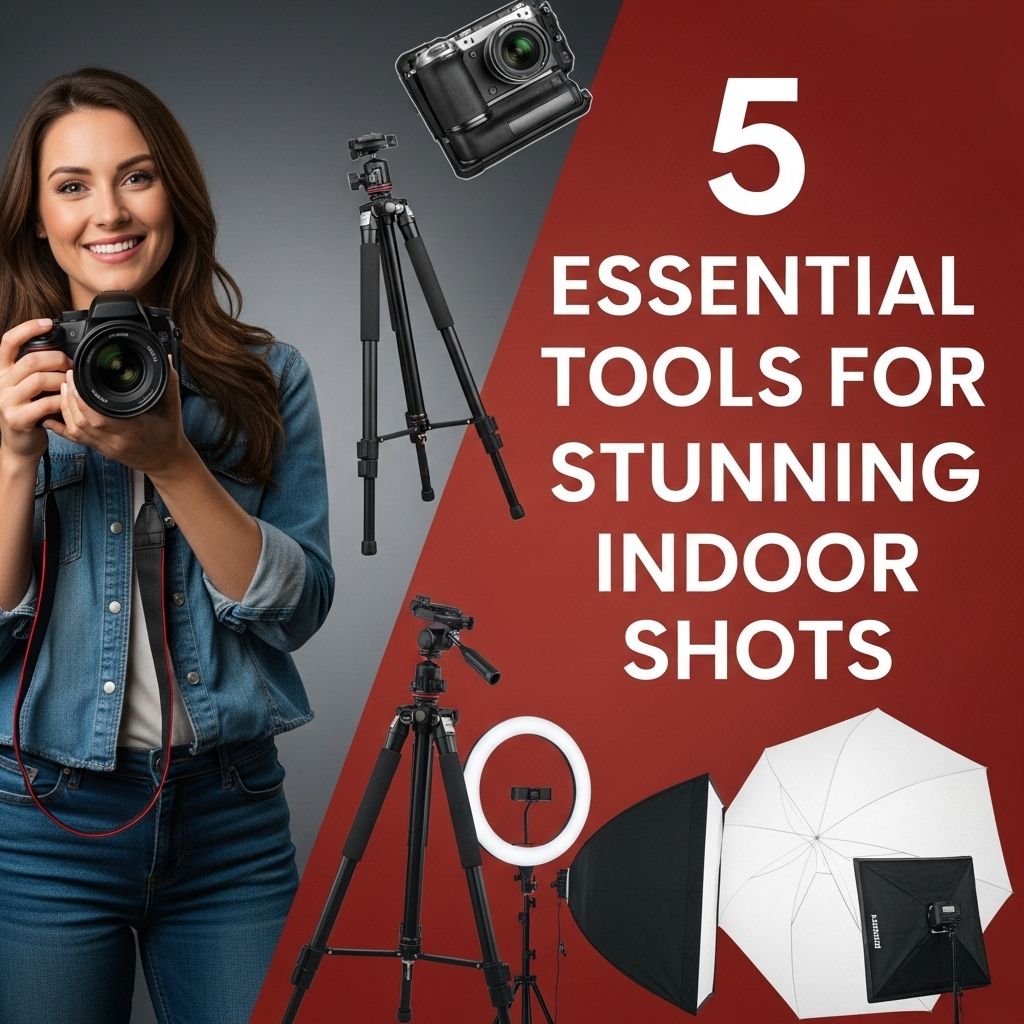
When it comes to photography, particularly indoor photography, having the right tools can make all the difference. Whether you’re shooting for personal projects, professional portfolios, or just capturing moments with friends and family, the right equipment can elevate your images from mundane to stunning. In this article, we will explore five essential tools that every indoor photographer should consider incorporating into their toolkit.
Indoor photography can be a rewarding but challenging endeavor, requiring the right tools to create stunning images. In this guide, we’ll explore five essential tools that will elevate your indoor photography game, ensuring your captures are beautifully composed and well-lit. Whether you’re from a professional background or an enthusiastic hobbyist, these resources will enhance your workflow and creativity—plus, you can download free bag mockups to showcase your work.
Table of Contents
1. High-Quality Camera
At the heart of every great indoor shot is a reliable camera. While many smartphones are now equipped with impressive cameras, a dedicated digital camera (DSLR or mirrorless) provides greater flexibility and superior image quality.
Key Features to Look For:
- Low-Light Performance: Search for cameras with larger sensors that excel in dim lighting conditions.
- Interchangeable Lenses: The ability to change lenses allows for greater versatility in shooting environments.
- Manual Controls: Look for a camera that lets you adjust settings like ISO, aperture, and shutter speed.
2. Prime Lenses
While zoom lenses offer convenience, prime lenses are often favored by photographers for their ability to produce sharp images with beautiful bokeh. When shooting indoors, wide aperture prime lenses (like 50mm f/1.8 or 35mm f/1.4) can help you achieve stunning results.
Benefits of Using Prime Lenses:
- Better Low-Light Capability: Wider apertures allow more light to enter, making them perfect for dimly lit rooms.
- Sharpness: Prime lenses typically provide better image quality and contrast.
- Lightweight: More portable than many zoom lenses, making them easier to shoot with during long sessions.
3. Tripod
A tripod is indispensable for indoor photography, especially when working in low light. It provides stability and helps eliminate camera shake, which is crucial for achieving sharp images during longer exposures.
Types of Tripods:
| Type | Best For | Weight |
|---|---|---|
| Full-Size Tripod | General use, landscapes | Heavier |
| Tabletop Tripod | Small spaces, close-ups | Lighter |
| Flexible Tripod | Unconventional angles, uneven surfaces | Medium |
4. Lighting Equipment
Indoor lighting can be tricky. Natural light may not always be sufficient, and artificial lighting can create harsh shadows. Investing in quality lighting equipment can dramatically enhance the quality of your shots.
Recommended Lighting Gear:
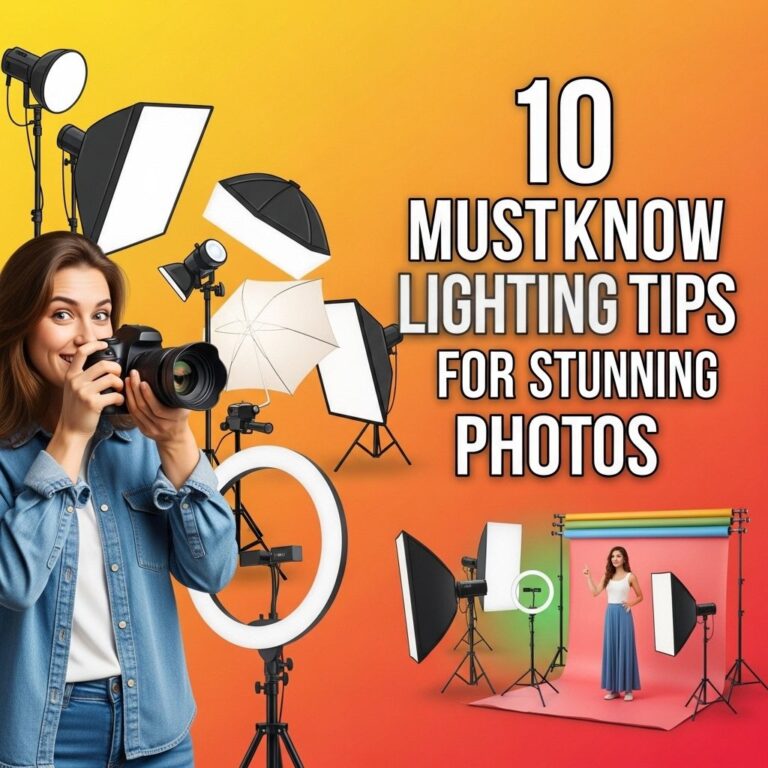
- Softboxes: They diffuse light, reducing harsh shadows and creating a softer look.
- LED Panels: Adjustable color temperature and brightness make them versatile for different lighting situations.
- Reflectors: A budget-friendly way to bounce light and fill in shadows.
5. Editing Software
Once you’ve captured your stunning indoor shots, editing software plays a vital role in enhancing your images. The right editing tools allow you to refine colors, adjust exposure, and crop for better composition.
Popular Editing Software Options:
- Adobe Lightroom: Ideal for organization and editing, with a user-friendly interface.
- Adobe Photoshop: Best for more complex edits and retouching.
- Capture One: Preferred by many professional photographers for its powerful tools and image quality.
Conclusion
In conclusion, mastering indoor photography requires not just creativity but also the right set of tools. A high-quality camera, the right lenses, a sturdy tripod, appropriate lighting, and robust editing software can take your indoor shots from average to extraordinary. By investing in these essential tools, you’ll be well on your way to creating stunning indoor photography that captures the essence of every moment.
FAQ
What are the best tools for indoor photography?
The best tools for indoor photography include a tripod for stability, a good quality lens for clarity, an external flash for proper lighting, reflectors to bounce light, and editing software for post-processing.
How does a tripod improve indoor photography?
A tripod improves indoor photography by providing stability, reducing camera shake, and allowing for longer exposure times in low light conditions.
Why is lighting important in indoor photography?
Lighting is crucial in indoor photography as it affects the mood, detail, and clarity of the images. Proper lighting helps to avoid harsh shadows and highlights.
What type of lens is best for indoor shots?
A fast lens with a wide aperture, such as a 50mm f/1.8, is ideal for indoor shots as it allows more light to enter, helping to capture sharp images in low-light settings.
How can reflectors be used in indoor photography?
Reflectors can be used in indoor photography to bounce light onto the subject, filling in shadows and creating a more balanced exposure.
What editing software is recommended for indoor photography?
Recommended editing software for indoor photography includes Adobe Lightroom for organizing and enhancing images, and Photoshop for detailed retouching and adjustments.