In today’s fast-paced world, the way we approach education is constantly evolving. Traditional classroom learning often struggles to keep up with the diverse needs of learners. Enter self-paced learning—a method that empowers individuals to take control of their educational journey. This guide will delve into what self-paced learning entails, its advantages, and how to implement it effectively.
Self-paced learning offers a unique opportunity for individuals to take charge of their educational journey, allowing them to learn at their own rhythm and according to their personal preferences. This complete guide will explore the principles, benefits, and strategies of effective self-paced learning, helping you unlock your full potential. For inspiration in presenting your own learning materials, consider exploring some of the best bag mockup designs.
Table of Contents
Understanding Self-Paced Learning
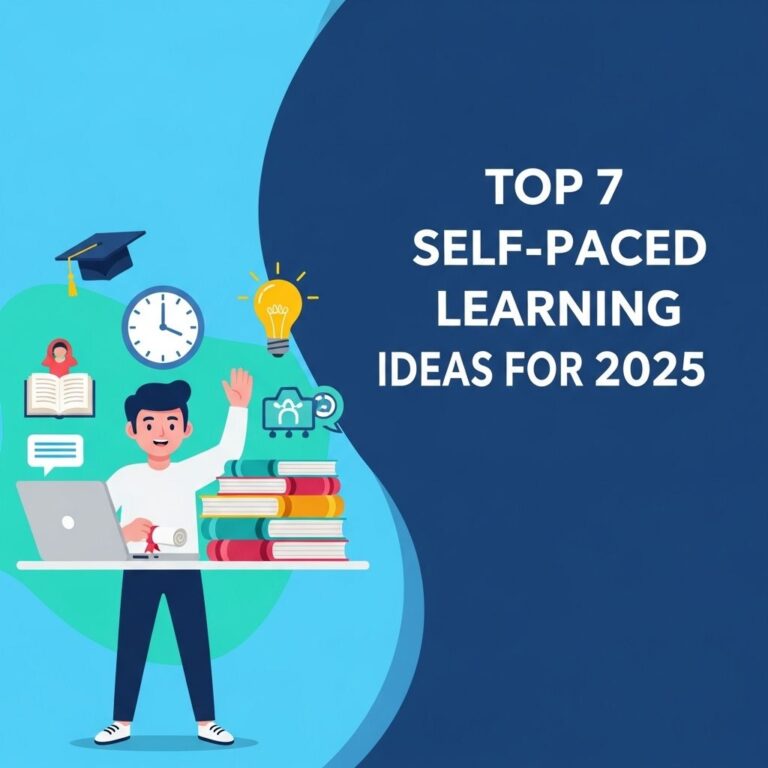
Self-paced learning refers to a method where learners can progress through educational materials at their own speed. Unlike traditional models where instructors dictate the pace, self-paced learning provides flexibility, allowing individuals to spend more time on challenging topics while speeding through those they already grasp.
Key Characteristics of Self-Paced Learning
- Flexibility: Learners choose when and where to study.
- Personalized Learning: Opportunities to focus on specific areas of interest or need.
- Self-Motivation: Encourages learners to take the initiative in their education.
- Varied Resources: Access to multiple learning materials, such as videos, articles, and interactive modules.
Benefits of Self-Paced Learning
The shift towards self-paced learning has significant advantages, not only for learners but also for educational institutions and organizations.
For Learners
- Control Over Learning: Learners can dictate their learning pace, which suits different learning styles.
- Increased Retention: Spending more time on complex subjects can enhance understanding and retention.
- Convenience: Learners can integrate studies into their busy lives, accommodating work and personal commitments.
- Cost-Effectiveness: Often, self-paced courses are more affordable than traditional setups.
For Institutions
- Scalability: Ability to cater to larger groups without the constraints of classroom sizes.
- Resource Optimization: Less reliance on in-person resources frees up educators to focus on students who need additional support.
- Engagement: Innovative learning technologies can foster higher levels of engagement.
Challenges of Self-Paced Learning
While self-paced learning offers numerous benefits, it is not devoid of challenges. Understanding these can help maximize effectiveness.
Common Challenges
| Challenge | Description |
|---|---|
| Lack of Motivation | Without structured timelines, some learners struggle to stay engaged. |
| Time Management | Balancing learning with other responsibilities can be difficult. |
| Isolation | Limited interaction with peers and instructors can lead to feelings of isolation. |
Implementing Self-Paced Learning
To effectively implement self-paced learning, both learners and educators must adopt certain strategies.
Strategies for Learners
- Set Clear Goals: Establish specific, measurable, achievable, relevant, and time-bound (SMART) objectives for learning.
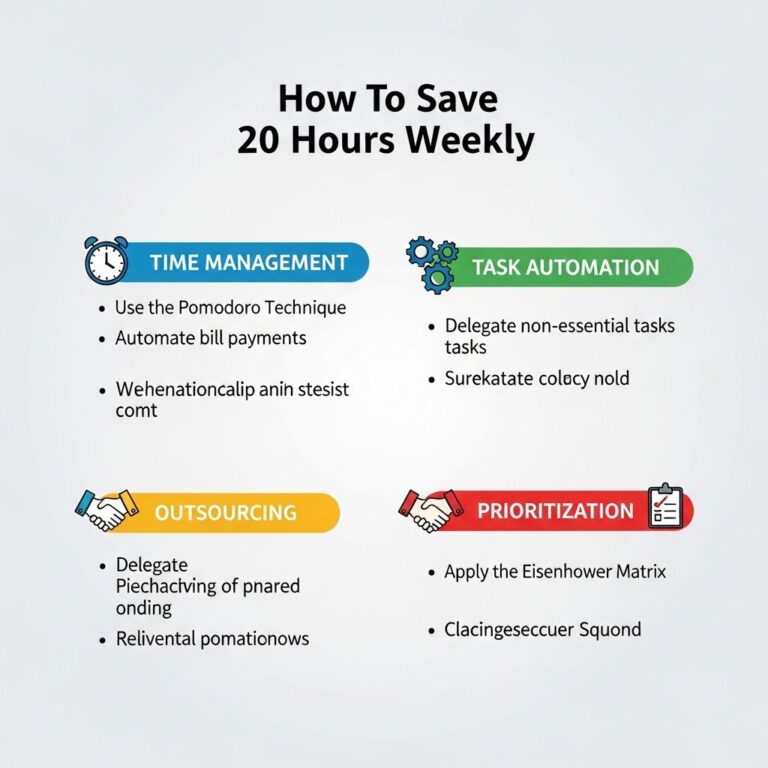
- Create a Schedule: Develop a routine that allocates time for study while allowing flexibility.
- Utilize a Variety of Resources: Engage with different types of media to cater to various learning styles.
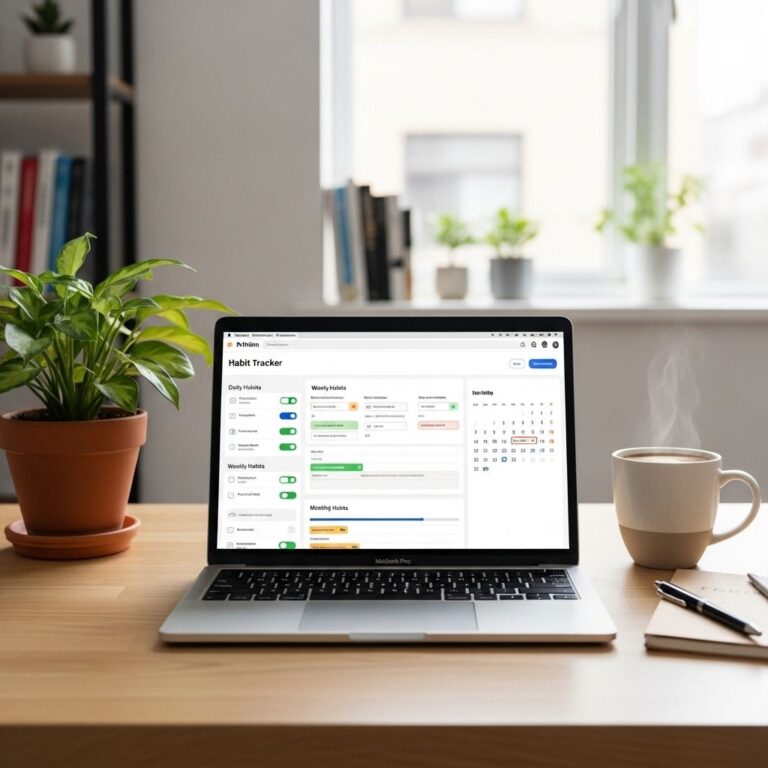
- Self-Assessment: Regularly evaluate your understanding and progress through quizzes and reflection.
Strategies for Educators
- Provide Guidance: Offer initial guidance and resources to help learners navigate their journey.
- Incorporate Technology: Utilize learning management systems (LMS) that facilitate self-paced learning.
- Enhance Engagement: Incorporate forums, discussions, and collaborative projects to reduce feelings of isolation.
- Feedback Mechanisms: Implement regular feedback systems to keep learners on track and motivate progress.
Technologies Supporting Self-Paced Learning
Innovation in technology has played a vital role in enhancing self-paced learning experiences.
Learning Management Systems (LMS)
LMS platforms like Moodle, Canvas, and Blackboard provide the infrastructure for self-paced education. They offer:
- Course creation and management tools
- Assessment and feedback features
- Tracking progress and analytics
Mobile Learning Apps
With the rise of smartphones, apps such as Duolingo or Khan Academy allow learning on the go, making education accessible anytime, anywhere.
Interactive Multimedia
Videos, podcasts, and interactive simulations engage learners and cater to various preferences, promoting a deeper understanding of complex subjects.
Conclusion
Self-paced learning has transformed the educational landscape by providing flexibility and personalization. While it presents challenges such as motivation and time management, these can be overcome with strategic planning and the right resources. As technology continues to evolve, so too will the opportunities for self-paced learners, making education a truly individual experience.
FAQ
What is self-paced learning?
Self-paced learning is an educational approach that allows learners to control the speed and timing of their learning process, enabling them to progress through material at their own pace.
What are the benefits of self-paced learning?
The benefits of self-paced learning include personalized learning experiences, increased flexibility, improved retention of information, and the ability to revisit challenging concepts as needed.
How does self-paced learning differ from traditional classroom learning?
Self-paced learning differs from traditional classroom learning in that it allows students to take charge of their education, enabling them to learn when and how they want, rather than following a set schedule dictated by a teacher.
What types of courses are available for self-paced learning?
Many types of courses are available for self-paced learning, including online courses, MOOCs (Massive Open Online Courses), vocational training programs, and even certain college courses that offer flexible scheduling options.
Can self-paced learning be effective for all types of learners?
Yes, self-paced learning can be effective for many types of learners, particularly those who thrive on independence and self-motivation. However, some learners may require more structure and guidance to succeed.
What tools and resources are commonly used in self-paced learning?
Common tools and resources for self-paced learning include online learning platforms, video lectures, interactive quizzes, eBooks, and discussion forums that facilitate collaboration and support.