In the world of photography, storytelling transcends mere snapshots; it creates a vivid tapestry of emotions, experiences, and perspectives. Photographers wield the power to convey complex narratives through their lenses, transforming mundane moments into extraordinary tales. Whether capturing breathtaking landscapes, intimate portraits, or candid street scenes, the art of storytelling in photography is about connecting with the audience and evoking emotions. This article will delve into ten powerful storytelling techniques that can elevate your photography from simple captures to compelling narratives.
Photography is an art that transcends mere visuals, inviting viewers into a narrative woven through light, composition, and emotion. By mastering storytelling techniques, photographers can transform ordinary moments into powerful narratives that resonate deeply with audiences. In exploring the interplay of elements like perspective and timing, we can elevate our photographic practices, much like how a well-designed mockup can enhance a presentation, such as these best bag mockup designs.
Table of Contents
1. The Rule of Thirds
One of the foundational techniques in photography, the Rule of Thirds encourages photographers to compose their images in a way that draws the viewer’s attention to the most important elements. By dividing the frame into a grid of nine equal sections, you can strategically place your subject along these lines or at their intersections, creating a more balanced and engaging image.
How to Apply the Rule of Thirds
- Enable the grid overlay on your camera or smartphone.
- Position your focal point at one of the intersections.
- Consider the horizon line in landscape shots; align it with the top or bottom third.
2. Leading Lines
Leading lines guide the viewer’s eye through the photograph, creating depth and perspective. These lines can be anything from roads and pathways to rivers or architectural features. Utilizing leading lines can help to create a sense of movement and direct attention toward the main subject.
Examples of Leading Lines
| Type of Line | Example |
|---|---|
| Straight Lines | Roads, fences, pathways |
| Curved Lines | Rivers, tracks, trails |
| Diagonal Lines | Stairs, rooftops |
3. Depth of Field
The depth of field (DoF) determines how much of your image is in focus. A shallow depth of field isolates the subject from its background, which can heighten the emotional impact of the photograph by emphasizing the subject’s details. On the other hand, a deep depth of field allows for more context to be included in the image, making it useful for storytelling in landscapes or group portraits.
Choosing the Right Depth of Field
- For portraits, use a wide aperture (f/1.8 – f/4) for a shallow DoF.
- For landscapes, use a smaller aperture (f/8 – f/16) to keep everything in focus.
4. Capturing Emotion
Emotion is the heartbeat of storytelling. Photographs that evoke feelings can leave lasting impressions. Whether it’s a candid moment of joy, sorrow, or contemplation, capturing genuine emotions can transform a simple image into a powerful narrative.
Techniques to Capture Emotion
- Be patient and wait for the right moment.
- Get close to your subjects to capture intimate expressions.
- Use natural light to enhance the mood of the scene.
5. Context and Environment
Including contextual elements in your photographs can provide insight into the story you are trying to tell. The setting can reveal important details about the subject and enrich the narrative. Understanding how to use the environment is essential for a compelling story.
Layering Context in Your Shots
- Incorporate elements that tell the audience where and when.
- Use foreground and background elements to create layers.
- Consider reflections, shadows, and light to add depth to the story.
6. Color and Mood
Color plays a crucial role in setting the mood of a photograph. Different colors evoke different emotions—warm colors such as reds and oranges can create feelings of warmth and excitement, while cool colors like blues and greens can evoke calmness or melancholy.
Using Color to Tell a Story
- Choose a color palette that reflects the mood you want to convey.
- Experiment with monochromatic schemes for a dramatic effect.
- Use contrasting colors to highlight important elements.
7. Narration Through Sequence
Storytelling in photography isn’t confined to single images; it can also be expressed through a sequence of images. A photo essay or series can unfold a narrative over multiple frames, allowing the viewer to engage with the story more deeply.
Creating a Compelling Photo Series
- Choose a theme or concept to explore.
- Plan your shots to create a flow—think about the beginning, middle, and end.
- Consider adding captions or context to enhance the narrative.
8. Experimenting with Perspective
Altering your point of view can dramatically change the narrative of your photograph. Shooting from a high angle can convey vulnerability, while a low angle can suggest power or grandeur. Experimenting with perspective can provide fresh insights into the story you want to tell.
Tips for Perspective Change
- Try shooting from above, below, or at eye level.
- Use unconventional angles to challenge viewer expectations.
- Incorporate foreground elements to add interest and dimension.
9. Symbolism
Incorporating symbolic elements into your photography can enrich the narrative and provide deeper meanings. Symbolism can be conveyed through objects, colors, or even the juxtaposition of subjects within the frame.
Examples of Symbolic Photography
| Symbol | Meaning |
|---|---|
| Butterfly | Transformation |
| Stormy skies | Impending change |
| Bridges | Connection or transition |
10. Storytelling Through Post-Processing
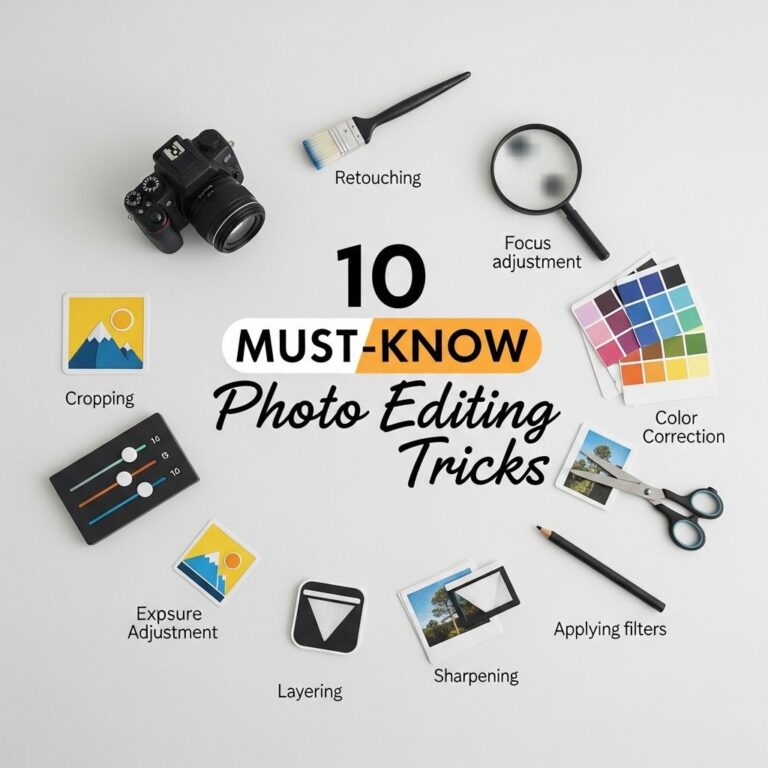
Post-processing can significantly impact the storytelling aspect of your photographs. Techniques such as color correction, cropping, and applying filters can enhance the mood and focus of your image.
Strategies for Effective Post-Processing
- Maintain a consistent style throughout your series.
- Use editing to highlight your main subject.
- Experiment with tones and contrasts to evoke specific emotions.
In conclusion, mastering storytelling techniques in photography requires practice and intentionality. By integrating these techniques into your creative process, you can create powerful narratives that resonate with your audience and leave them with lasting impressions. Remember that the story told through your images is just as important as the technical aspects of photography. Embrace the art of storytelling and let your photographs speak volumes.
FAQ
What are the best storytelling techniques in photography?
Some of the best storytelling techniques in photography include the use of composition, lighting, perspective, emotion, context, and visual metaphors to convey a deeper narrative.
How can composition enhance storytelling in photography?
Composition enhances storytelling by guiding the viewer’s eye and emphasizing the focal point, creating a narrative flow that supports the overall message of the image.
What role does lighting play in storytelling through photography?
Lighting plays a crucial role in setting the mood and tone of a photograph, influencing how the story is perceived and evoking specific emotions in the viewer.
How can I use perspective to tell a story in my photos?
Using perspective can change how a scene is interpreted; for instance, shooting from a low angle can evoke feelings of power, while a high angle can convey vulnerability.
What is the importance of context in photographic storytelling?
Context provides background information and situational cues that help the viewer understand the story behind the image, making it more relatable and impactful.
How can visual metaphors be used in photography to tell a story?
Visual metaphors can be used to symbolize broader themes or emotions, allowing photographers to tell complex stories while engaging viewers on a deeper intellectual level.